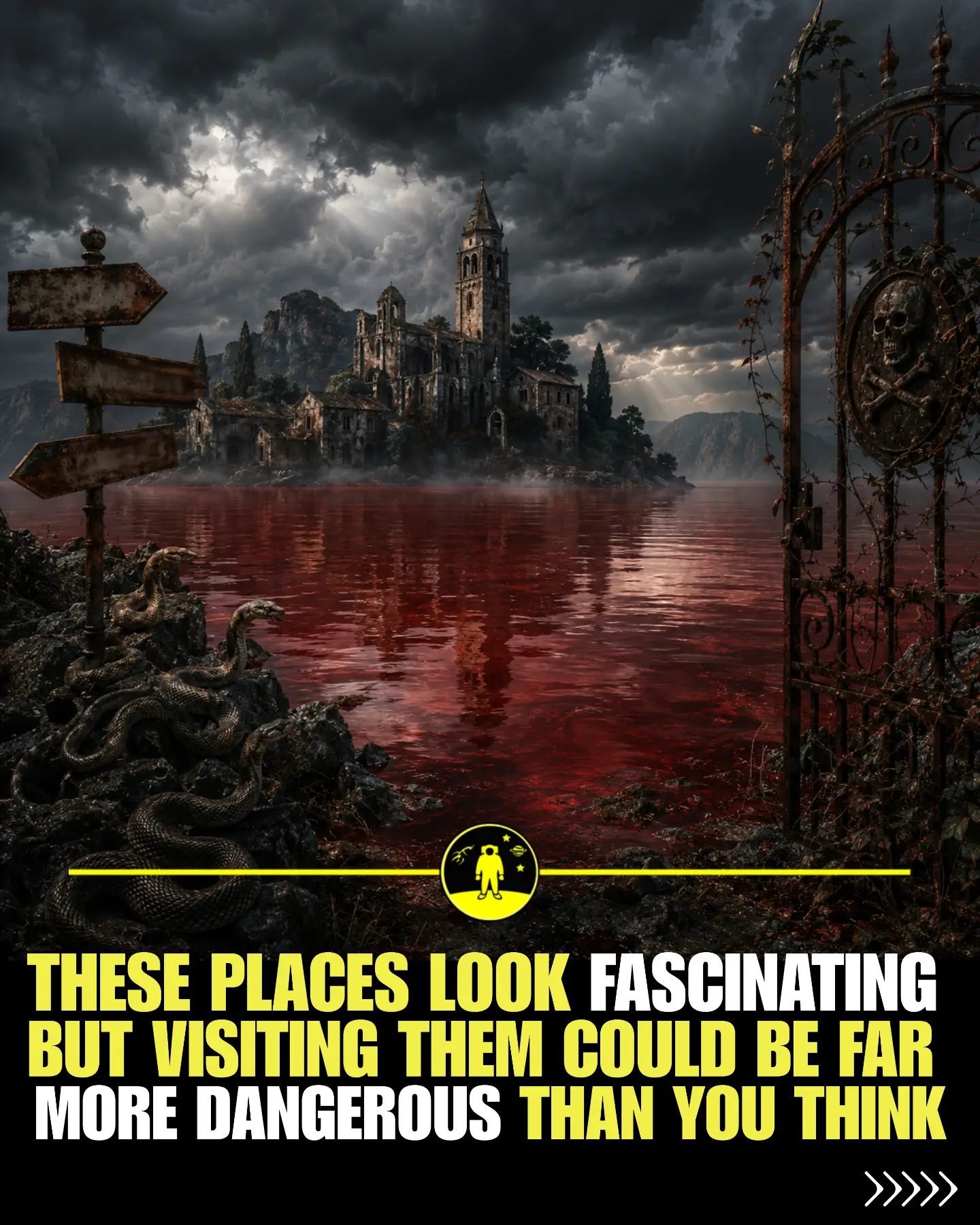
Dangers and Intrigue: Fascinating but Perilous Places Around the World
Some of the world's most alluring destinations harbor hidden dangers, making them off-limits or requiring careful precautions. These places, whether poisoned by plants, contaminated by radiation, or threatened by venomous wildlife, serve as reminders that nature and history command respect. Let's explore some of these fascinating yet dangerous locales, including The Poison Garden in England, Lake Karachay in Russia, Italy's Poveglia Island, Brazil's Snake Island, and Jacob's Well in Texas.
Why This Matters
Understanding the dangers posed by these remarkable places is crucial for anyone planning to travel or conduct research in these areas. Whether you're an adventurer, a historian, or simply curious about the world, recognizing the risks is essential for safe exploration.
The Dangers of Nature and History
The Poison Garden, England
Tucked away in the rolling hills of Northumberland, England, lies a unique and intriguing attraction: The Poison Garden. This garden is home to over 100 species of toxic and potentially deadly plants. The collection includes narcotic, hallucinogenic, and highly poisonous plants, making it one of the most dangerous gardens in the world. To ensure the safety of visitors, the garden is only accessible through guided tours. These tours are meticulously designed to educate visitors about the plants' deadly properties while keeping them safe from harm.
Lake Karachay, Russia
Lake Karachay in Russia is a stark reminder of the devastating effects of nuclear waste disposal. Located in the Southern Ural Mountains, this lake became one of the most radioactive places on Earth due to years of waste dumping from the nearby Mayak nuclear facility. The radiation levels are so high that spending just one hour near the lake can be fatal. Given the serious health risks, Lake Karachay is not a tourist destination and is tightly controlled to prevent unauthorized access.
Poveglia Island, Italy
Poveglia Island, located in the Venetian Lagoon, carries a dark and mysterious history. Once used as a quarantine site for plague victims, the island later housed a psychiatric hospital. Today, it is closed to the public, shrouded in eerie legends and tales of hauntings. While many of the frightening stories surrounding Poveglia Island have been exaggerated, the island's history of disease and despair adds to its foreboding atmosphere. Unauthorized visits are restricted, and only authorized personnel are allowed on the island, ensuring its isolation and mystery.
Snake Island, Brazil
Ilha da Queimada Grande, commonly known as Snake Island, is off the coast of Brazil and home to the critically endangered golden lancehead viper. This island is tightly controlled to protect both the venomous snakes and unknowing visitors, as just one bite from this snake can be deadly. The island's isolation and strict access controls ensure that the golden lancehead viper’s habitat remains undisturbed, safeguarding both the snakes and potential explorers from harm.
Jacob's Well, Texas
In the heart of Texas lies a seemingly serene swimming spot called Jacob's Well. Beneath its tranquil surface, however, lies a treacherous underwater cave system known for its strong currents and narrow passages. Exploring these caves is extremely dangerous and should only be attempted by highly trained professionals with proper equipment and authorization. The cave system's unique challenges make it a popular destination for experienced cave divers, but caution and expertise are paramount.
Practical Tips for Visiting Dangerous Places
Research and Preparation
Before embarking on any adventure, thorough research is key. Understand the specific dangers of the location, the necessary precautions, and any required permits or guided tours.
Follow Local Regulations
Respect local regulations and guidelines. Many dangerous places have strict access controls to protect both visitors and the environment. Unauthorized visits can lead to severe consequences, including legal repercussions and physical harm.
Go with Experts
For locations that require specialized knowledge or equipment, such as cave diving or navigating radioactive zones, always go with certified experts. Their experience and training can mean the difference between a safe adventure and a fatal accident.
Stay Vigilant
Even in controlled environments, stay alert and vigilant. Nature and history are unpredictable, and conditions can change rapidly. Always be prepared for the unexpected.
Important Takeaways
Respect Nature and History
These dangerous places remind us that nature and history demand respect. Whether it's the toxic plants of The Poison Garden, the radioactive waters of Lake Karachay, or the treacherous caves of Jacob's Well, each location has its unique risks and challenges.
Safety First
Always prioritize safety. Whether you're exploring a poison garden, navigating a radioactive zone, or diving into a dangerous cave system, following safety guidelines and respecting local regulations is essential.
Curiosity with Caution
Curiosity drives exploration, but it should always be tempered with caution. Understanding the dangers and taking appropriate precautions can transform a potentially hazardous adventure into a safe and memorable experience.
Conclusion
The world is full of enchanting and mysterious places that can captivate the imagination, but it's essential to recognize the underlying dangers. From The Poison Garden to Snake Island, these locations serve as reminders of the delicate balance between fascination and peril. By researching, following guidelines, and respecting local regulations, you can explore these remarkable places safely and responsibly. Embrace the adventure, but always keep caution at the forefront of your mind.
Watch the Reel
Questions readers ask
What are some of the most dangerous places to visit due to poisonous plants?
Some of the most notable dangerous places to visit due to poisonous plants include The Poison Garden in England. While this garden is open to the public, it houses a variety of deadly plants, and visitors are not allowed to touch or smell the plants without the supervision of a guide to prevent any harm.
Why is Poveglia Island considered a dark tourism destination?
Poveglia Island in Italy is infamous for its dark history, including serving as a quarantine station for plague victims and later as a mental asylum. Today, it remains abandoned, and visitors often report eerie experiences, making it a popular destination for dark tourism enthusiasts seeking a thrill.
What makes Lake Karachay in Russia a dangerous destination?
Lake Karachay in Russia is extremely dangerous due to its high levels of radioactive contamination, stemming from decades of nuclear waste disposal. The area remains off-limits, and visitors must be accompanied by a guide and adhere to strict safety protocols to avoid exposure to harmful radiation.
What precautions should I take when visiting Snake Island in Brazil?
Snake Island, or Ilha da Queimada Grande, in Brazil is home to thousands of venomous snakes, making it one of the most dangerous islands in the world. Visiting the island is extremely restricted and requires special permits. Guided tours are available, but visitors must stay on designated paths and follow the guide's instructions closely to avoid snake encounters.
What is the significance of Jacob's Well in Texas for thrill-seekers?
Jacob's Well in Texas is a deep underwater cave system that attracts experienced divers due to its challenging and dangerous nature. The well is known for its strong currents and difficult conditions, making it a popular destination for those seeking an adrenaline rush, but it is not recommended for beginners. Divers must be properly trained and equipped to navigate its depths safely.
What are some famous toxic gardens in the UK, and are they open to the public?
The most famous toxic garden in the UK is The Poison Garden at Alnwick Castle. It is open to the public and features a variety of poisonous and carnivorous plants. Visitors can explore the garden but should follow the rules and guidelines to ensure safety, as some plants can be harmful if touched or ingested.
How can I safely experience dark tourism destinations?
To safely experience dark tourism destinations, it's essential to plan thoroughly. Research the location to understand the specific dangers involved, and always adhere to local guidelines and regulations. Consider joining guided tours led by experienced professionals who can provide valuable insight and ensure your safety.
Related deep dives
Similar reads based on topic and creator.

Recent articles
Fresh deep dives from the latest Reels we unpacked.




Comments
Be the first to comment.