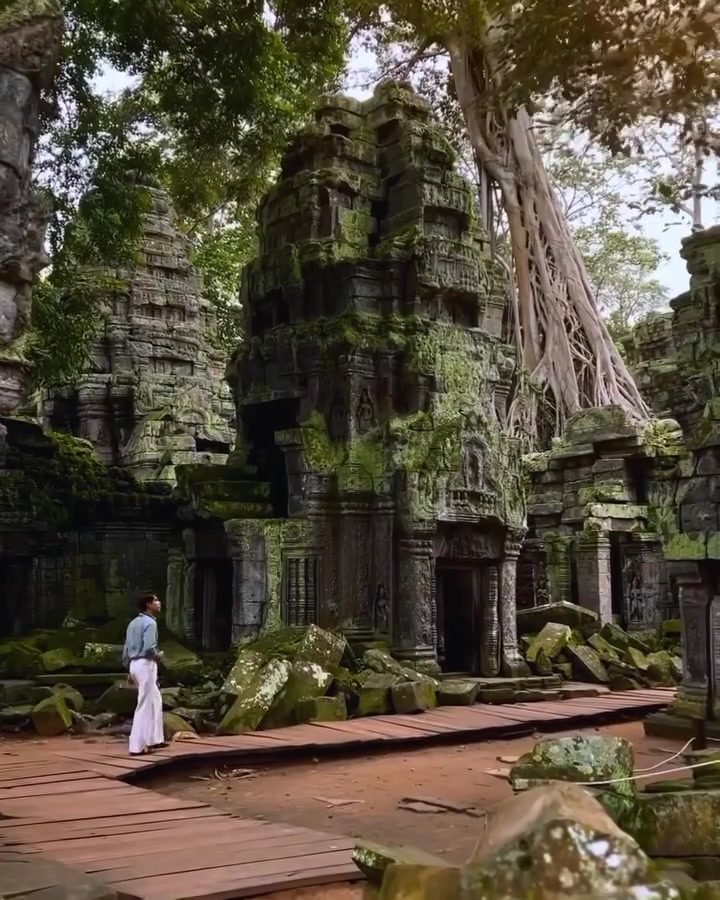
Ancient Temple Ruins of Cambodia
The ancient temple ruins of Cambodia are more than just historical sites; they are portals to a bygone era, whispering tales of a once-great civilization. Among the most captivating of these ruins are Ta Prohm and the Khmoch Gate, both located in Siem Reap. These sites offer a unique blend of history, architecture, and natural beauty that makes them must-visit destinations for travelers seeking a deeper understanding of Cambodia's rich cultural heritage.
Why These Temples Matter
The temples of Cambodia, particularly those in the Angkor region, are renowned for their architectural brilliance and historical significance. These structures, built between the 9th and 15th centuries, were once the heart of the Khmer Empire. Today, they stand as testament to the empire's grandeur and the ingenuity of its architects. Exploring these ruins provides a unique opportunity to connect with the past, offering insights into the lives of ancient civilizations and the evolution of architectural styles.
Exploring the Ruins
Ta Prohm: The Tomb Raider Temple
Ta Prohm, often referred to as the "Tomb Raider Temple" due to its featured appearance in the film, is one of the most iconic temples in the Angkor complex. Unlike other Angkor temples, Ta Prohm has been largely left untouched by restoration efforts, allowing visitors to experience the site as it would have appeared upon its discovery by European explorers. The temple is a stunning example of how nature has reclaiming man-made structures, with towering trees weaving their roots through the crumbling towers and walls. This harmonious blend of nature and architecture creates an atmosphere of mystery and awe, making it a favorite among visitors.
Khmoch Gate: The Gate of the Dead
The Khmoch Gate, or the Gate of the Dead, is another fascinating historical site in the ancient city of Angkor Thom. This 12th-century gate serves as a grand entrance to the city and is adorned with enigmatic faces carved into the stone, each gazing out towards a different cardinal direction. Unlike the crowded gates teeming with tourists, Khmoch Gate offers a more peaceful and mystical experience, making it a hidden gem for those seeking a serene connection with the past. The intricate carvings and the eerie silence make it a portal between the world of the living and the realm of spirits, adding a layer of intrigue to the visit.
The Pathway and Surrounding Greenery
Walking through the pathways of these ancient temples is an experience in itself. The pathways provide a perspective of the temples' scale and grandeur, allowing visitors to appreciate the architectural marvels from various angles. The surrounding lush greenery and the harmonious blend of nature and architecture make the journey through these ruins an unforgettable experience. The pathways are often lined with trees and overgrown vegetation, adding to the mystical atmosphere and providing a sense of serenity amidst the historical grandeur.
Practical Tips for Visiting
Visiting the ancient temple ruins of Cambodia is a journey that requires careful planning. Here are some practical tips to make the most of your experience:
Best Time to Visit
The best time to visit the temples of Cambodia is during the dry season, which runs from November to March. During this period, the weather is pleasant, and the risk of heavy rainfall is minimal. This makes it easier to explore the ruins without the discomfort of heat and humidity. Additionally, the dry season offers clearer skies, making it an ideal time for photography and enjoying the panoramic views.
What to Wear
When exploring the ancient temples, it's essential to dress comfortably and appropriately. Wear lightweight, breathable clothing that covers your shoulders and knees, as this is respectful of the cultural and religious significance of the sites. Comfortable walking shoes are a must, given the uneven terrain and the extensive walking involved. Also, don't forget to carry a hat, sunscreen, and insect repellent to protect yourself from the sun and insects.
Stay Hydrated
Exploring the temple ruins can be physically demanding, especially during the hot and humid months. Carry plenty of water to stay hydrated and take regular breaks to rest and recharge. This will help you enjoy the experience without feeling exhausted.
Guided Tours
Consider hiring a local guide to enrich your understanding of the temples. Local guides offer valuable insights into the history, architecture, and cultural significance of the sites. They can also provide context about the legends and myths associated with the temples, making your visit more meaningful.
Important Takeaways
Visiting the ancient temple ruins of Cambodia is more than just a sightseeing experience; it's a journey through time. The temples of Ta Prohm and the Khmoch Gate offer unique insights into the rich history and cultural heritage of Cambodia. Here are some important takeaways from the experience:
Historical Significance
The ancient temples of Cambodia are a testament to the grandeur of the Khmer Empire. They offer a glimpse into the architectural brilliance and the cultural achievements of the past, making them invaluable historical treasures.
Cultural Connection
Exploring the ruins provides a deeper understanding of Khmer culture and traditions. The intricate carvings, sculptures, and architectural styles reflect the beliefs, myths, and legends of the ancient Khmer people, offering a unique cultural connection.
Nature and Architecture
The harmonious blend of nature and architecture in the temple ruins is a sight to behold. The overgrown vegetation and the crumbling structures create a mystical atmosphere, showcasing the power of nature over time.
Serenity and Mystery
The serene and mystical atmosphere of the temples, especially at less crowded sites like the Khmoch Gate, offers a peaceful and introspective experience. It allows visitors to connect with their inner selves amidst the grandeur of history.
Conclusion
The ancient temple ruins of Cambodia, particularly Ta Prohm and the Khmoch Gate, are destinations that offer a unique blend of history, architecture, and natural beauty. These sites provide a profound connection with the past, allowing visitors to explore the rich cultural heritage of Cambodia. Whether you're a history enthusiast, an architecture buff, or a nature lover, these temples promise an unforgettable experience that will leave you awestruck. Plan your visit carefully, and immerse yourself in the mysteries and grandeur of these awe-inspiring ruins.
Watch the Reel
Questions readers ask
What makes Ta Prohm temple unique among the ancient temples of Cambodia?
Ta Prohm is renowned for its distinctive architecture that has been reclaimed by nature. Unlike other temples, Ta Prohm has been left largely untouched, with trees and plants intertwining with the stone structures, creating a surreal and captivating atmosphere. This temple offers a unique blend of history and nature, providing visitors with a one-of-a-kind experience.
How did the Khmoch Gate serve the ancient city of Angkor Thom?
The Khmoch Gate was one of the five original gates that served as the main entrances to the ancient city of Angkor Thom. It was a ceremonial entrance, symbolizing the transition from the outer world to the sacred city. This grand gateway would have been a significant and revered site for the Khmer Empire.
What can visitors expect to see at the ancient sites in Siem Reap?
Visitors to the ancient sites in Siem Reap, such as Ta Prohm and the Khmoch Gate, can expect to see intricate stone architecture, elaborate carvings, and vast ruins that offer a glimpse into the grandeur of the Khmer Empire. Additionally, the natural beauty of the surrounding landscape, with its lush foliage and ancient trees, adds to the allure of these sites.
Why are the temples of the Khmer Empire in Cambodian culture?
The temples of the Khmer Empire, including those in Siem Reap, are of immense importance in Cambodian culture as they represent the pinnacle of the empire's architectural and artistic achievements. They serve as a reminder of the country's rich history and are integral to Cambodia's national identity and cultural heritage.
What is the best way to explore the ruins of Angkor Thom and Ta Prohm temple?
To fully appreciate the ruins of Angkor Thom and Ta Prohm, it is recommended to hire a knowledgeable guide who can provide insights into the history and significance of these sites. Visitors should also allocate ample time to explore, wear comfortable footwear, and bring water and a hat to protect against the heat. Consider visiting early in the morning or late in the afternoon to avoid the peak heat.
What role did the Khmoch Gate play in the religious practices of Angkor Thom?
The Khmoch Gate, like the other gates of Angkor Thom, played a crucial role in the religious practices of the Khmer Empire. It was believed to symbolize the passage from the mundane to the sacred, with ceremonies and rituals often taking place at these gateways. The gate was also adorned with intricate carvings and sculptures that held spiritual significance.
Related deep dives
Similar reads based on topic and creator.




Recent articles
Fresh deep dives from the latest Reels we unpacked.




Comments
Be the first to comment.