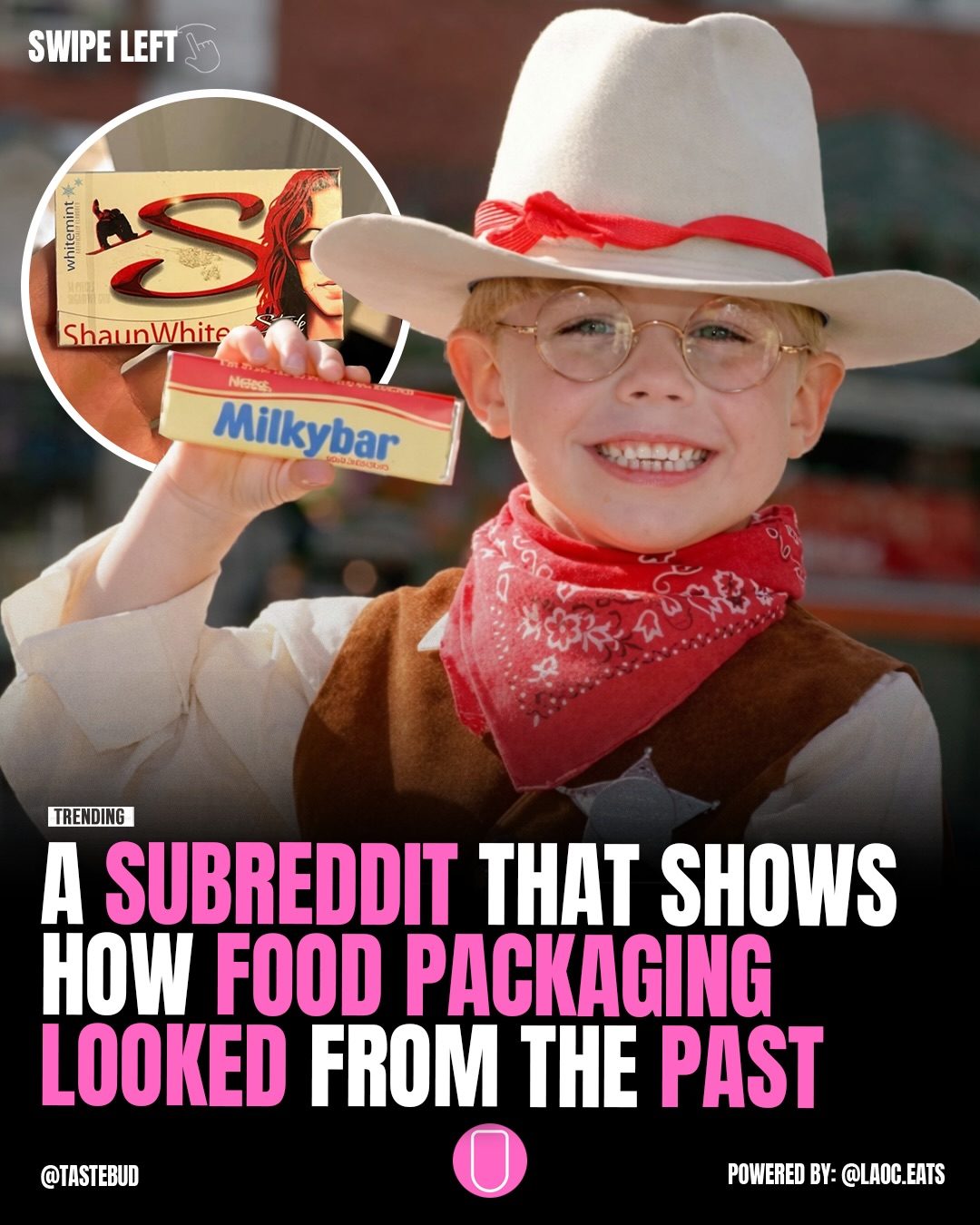
Vintage Food Packaging: A Nostalgic Journey Through Time
Vintage food packaging offers a fascinating glimpse into the past, showcasing how brands have evolved over decades. The subreddit r/GrandmasPantry has gained significant attention for sharing images of long-forgotten items found in cupboards, from old toothpaste to vintage cereal boxes. This collection of vintage food packaging not only sparks nostalgia but also raises curiosity about the longevity of certain products.
Context: Why This Matters
Food packaging has long been a reflection of cultural trends, technological advancements, and marketing strategies. Exploring vintage food packaging can provide insights into how consumer preferences and marketing tactics have changed over time. For instance, the distinctive designs from the 1960s and 1990s can tell us a lot about the aesthetics and values of those eras. The longevity of some items, such as an unopened Coca-Cola gallon jug from 1966, also highlights the durability of certain products and the enduring appeal of classic designs.
The Evolution of Food Packaging Designs
Lay's Potato Chips
One of the standout examples of vintage food packaging is the Lay's potato chips bag from the 1990s. The design features a distinctive mascot and a catchy slogan, "Betcha Can't Eat Just One, Doc." This era's packaging is characterized by bold colors and playful graphics, reflecting the vibrant and optimistic spirit of the 1990s. The design not only catches the eye but also conveys a sense of fun and indulgence, making it a nostalgic reminder for many who grew up during this time.
Coca-Cola Gallon Jug
The vintage Coca-Cola gallon jug from 1966 is another iconic piece of food packaging. The design is simple yet classic, with the signature Coca-Cola script prominently displayed. This jug represents a time when Coca-Cola was a symbol of American culture and nostalgia. The fact that it has remained unopened for over five decades is a testament to its durability and the enduring appeal of the Coca-Cola brand. The design of this jug also reflects the clean, minimalist aesthetics of the 1960s, which were often influenced by the modernist movement.
Volpi Prosciutto
The Volpi prosciutto package from 1992 showcases a more sophisticated and elegant design compared to its contemporaries. The packaging features a classic logo and a timeless color palette, which gives it a sense of refinement and quality. This design is a clear contrast to the playful and vibrant aesthetics of the 1990s, indicating a more mature and sophisticated approach to food packaging during this period. The enduring appeal of Volpi's design suggests that timeless aesthetics often resonate with consumers over the years.
Iconic Brands and Their Legacy
Lay's
Lay's has been a staple in the snack industry for decades, and its packaging has evolved significantly over time. The 1990s design, with its distinctive mascot and bold colors, was a reflection of the decade's vibrant and energetic spirit. The catchy slogan, "Betcha Can't Eat Just One, Doc," has become an iconic part of the brand's identity, highlighting its ability to capture the essence of the era.
Coca-Cola
Coca-Cola's vintage packaging, such as the 1966 gallon jug, is a testament to the brand's enduring appeal. The classic design and minimalist aesthetics have made it a timeless classic that continues to resonate with consumers today. The fact that the jug has remained unopened for over five decades is a clear indication of its durability and the brand's enduring popularity.
Volpi
Volpi's prosciutto packaging from 1992 features a timeless and sophisticated design that has stood the test of time. The classic logo and elegant color palette give it a sense of refinement and quality, which has helped the brand maintain its position in the market. The enduring appeal of Volpi's design suggests that timeless aesthetics often resonate with consumers over the years, making it a key factor in the brand's success.
Practical Tips for Collecting Vintage Food Packaging
Research and Identify
Before starting your collection, do some research to understand the different types of vintage food packaging available. This will help you identify the items that are worth collecting and provide a better understanding of their historical significance. Look for items that are in good condition and have unique designs or interesting stories behind them.
Condition Matters
When collecting vintage food packaging, the condition of the item is crucial. Look for items that are in good shape, with minimal wear and tear. Items that are in poor condition may not be as valuable or desirable for collectors. Inspect the packaging carefully to ensure that it is in good condition before making a purchase.
Authenticity and Rarity
Authenticity and rarity are key factors when it comes to collecting vintage food packaging. Look for items that are authentic and rare, as these will hold the most value. Authentic items have been manufactured during the time period they claim to represent, while rare items are hard to find and may have limited quantities. When in doubt, consult with an expert to verify the authenticity of the items.
Storage and Display
Proper storage and display are essential for maintaining the condition of your vintage food packaging collection. Store your items in a cool, dry place away from direct sunlight and moisture. Use acid-free storage materials to prevent damage to the packaging. Display your collection in a way that highlights the unique designs and historical significance of the items.
Important Takeaways
Vintage food packaging offers a rich and engaging journey through history, showcasing the evolution of design, marketing, and consumer preferences over time. Whether it's the bold and playful aesthetics of the 1990s or the classic and timeless designs of the 1960s, each piece of packaging tells a story about the era it represents. Collecting vintage food packaging can be a rewarding and nostalgic experience, providing a unique connection to the past and an appreciation for the enduring appeal of iconic brands.
Conclusion
From the vibrant and playful designs of the 1990s to the classic and timeless aesthetics of the 1960s, vintage food packaging offers a fascinating glimpse into the past. Whether you're a collector or simply appreciate the nostalgia, exploring vintage food packaging can be a rewarding and engaging experience. So, dive into the past and discover the stories behind these iconic designs, and who knows, you might just find a piece of history in your own cupboard.
Watch the Reel
Questions readers ask
What are some of the most iconic vintage food packaging items from the 1960s?
Some of the most iconic vintage food packaging items from the 1960s include the nine 1966 Volpi chips, and retro cereal boxes. These items often feature vibrant colors and whimsical designs that capture the spirit of the era. Additionally, the distinctive design of old Coca-Cola packaging remains popular and highly recognizable.
What can we learn from vintage food packaging trends?
Vintage food packaging trends offer a wealth of knowledge about cultural shifts, technological advancements, and marketing strategies from different eras. By examining these trends, we can gain insights into consumer preferences and how they have evolved over time, as well as the techniques used to appeal to consumers.
How does the r/GrandmasPantry subreddit contribute to the appreciation of vintage food packaging?
The r/GrandmasPantry subreddit plays a significant role in preserving and sharing the nostalgic appeal of vintage food packaging. Users post images of long-forgotten items, sparking conversations and memories. This community-driven platform helps to keep the history of food packaging design alive and accessible to a wide audience, fostering an appreciation for these classic designs.
What are some notable differences between 1960s and 1990s food packaging?
The 1960s food packaging is often characterized by bold, retro designs and a focus on whimsical imagery. In contrast, 1990s food packaging tends to feature more modern, streamlined designs with a greater emphasis on bright colors and sleek typography. Additionally, the materials and printing techniques used in the 1990s were more advanced, leading to higher-quality packaging.
What makes vintage Coca-Cola jugs so memorable?
Vintage Coca-Cola jugs are memorable for their timeless design and iconic brand recognition. These jugs often feature classic Coca-Cola branding elements, such as the distinctive script and red and white color scheme, making them instantly recognizable even today. Additionally, the nostalgic appeal of these jugs transports many to a simpler time, evoking memories of family gatherings and classic advertisements.
How has the design of vintage chip bags evolved over the decades?
Vintage chip bags have undergone significant design changes over the decades. Early chip bags from the 1960s often featured simple, colorful designs with bold lettering. By the 1990s, packaging had evolved to include more detailed graphics, vibrant colors, and increased use of transparent windows to showcase the product inside. These evolutionary changes reflect broader shifts in consumer preferences and marketing strategies.
Related deep dives
Similar reads based on topic and creator.




Recent articles
Fresh deep dives from the latest Reels we unpacked.




Comments
Be the first to comment.