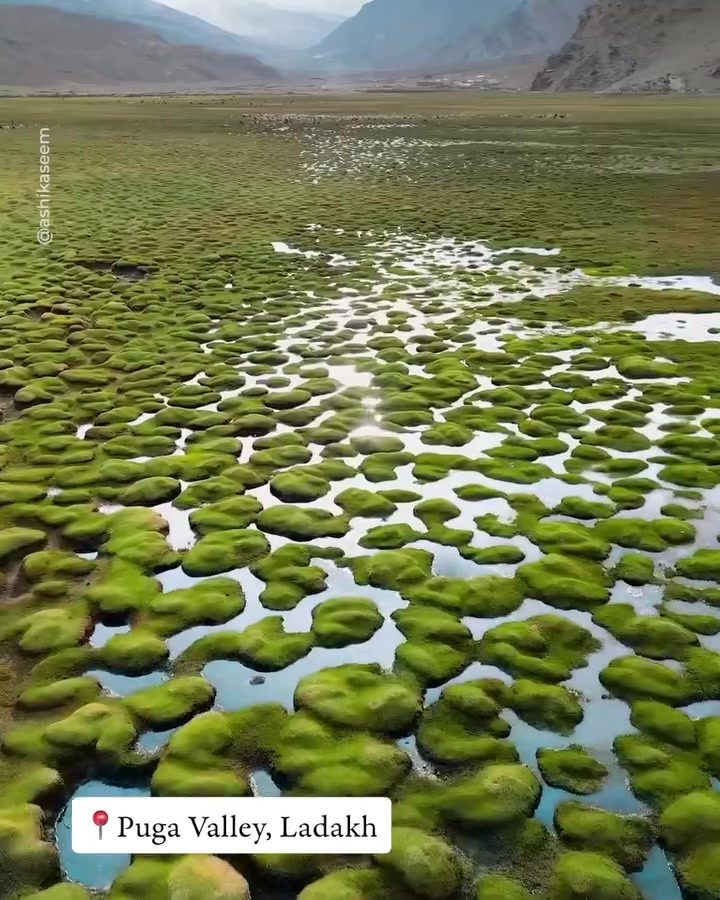
Puga Valley: Ladakh's Geothermal Wonderland
The landscape of Puga Valley in Ladakh is a geothermal marvel, tucked away in the heart of the Himalayas. This valley, located in the northern state of Jammu and Kashmir, offers a unique blend of natural beauty and geological phenomena. Puga Valley is characterized by its vibrant moss formations, bubbling mud pots, and steaming fumaroles, all products of volcanic activity and mineral-rich hot springs. The area is a geothermal wonderland and offers an unparalleled experience. The valley is the first stop in a journey through some of India’s hidden gems.
Why This Matters
India's natural beauty extends far beyond its bustling markets and iconic landmarks. For those seeking a break from the ordinary, Puga Valley and its counterparts offer a chance to explore the country’s diverse landscapes. These hidden gems are perfect for travelers looking to immerse themselves in the unique and sometimes extraordinary environments that India has to offer. Understanding these locations provides a window into the geological and natural wonders that make up the country's diverse landscape.
Puga Valley: A Geothermal Wonderland
Geothermal Activity
Puga Valley’s geothermal features are one of its main attractions. The valley is home to colorful bubbling mud pots, steaming fumaroles, and vibrant green mounds. These formations are the result of volcanic activity and mineral-rich hot springs, creating a surreal landscape. The hot springs in Puga Valley contain various minerals that have therapeutic properties, attracting visitors from all over the world who come to experience their healing benefits.
Biodiversity and Wildlife
The valley supports a unique ecosystem that thrives in its harsh yet beautiful environment. Yaks are frequently spotted grazing in the valley, and the area is also home to a variety of other wildlife species. Puga Valley is a prime example of how life can flourish in some of the most unexpected and challenging terrains.
Moss Formations
The moss formations in Puga Valley are one of its standout features. These vibrant, verdant carpets of moss are a result of the valley’s unique geothermal activity and climate. The moss not only adds to the valley’s visual appeal but also plays a crucial role in maintaining the ecological balance of the area. These formations are a sight to behold, particularly when viewed up close.
The Otherworldly Beauty of India's Hidden Gems
Guna Caves, Kodaikanal
Traveling south to Tamil Nadu, the Guna Caves in Kodaikanal offer a mesmerizing sight. The entrance to the ancient caves is guarded by the gnarled and twisted roots of ancient Shola trees that carpet the area around the cave openings. This adds to the otherworldly atmosphere, making it a must-visit for those seeking a unique experience.
Lamayuru, "Moonland"
Nicknamed “Moonland” for a reason, the dramatic landscape of Lamayuru in Ladakh is unlike anything you’ve ever seen. The eroded rock formations in shades of ochre and red, sculpted by millions of years of geological processes, evoke a lunar-like terrain. Lamayuru’s unique landscape offers a surreal experience, making it a destination for adventure and nature enthusiasts.
Pangong Tso Lake
Pangong Tso Lake, a high-altitude saltwater lake in Ladakh, is a sight to behold. Its unique colors are a result of the interaction of light with minerals and microorganisms in the water. The lake freezes over in winter, creating a mesmerizing, mirrored effect that adds to its allure. Pangong Tso Lake is a popular spot for photography and offers awe-inspiring views.
Spiti Valley, "Little Tibet"
Nicknamed the “Little Tibet” for good reason, Spiti Valley in Himachal Pradesh boasts snow-capped peaks, glaciers, and a stark, almost Martian landscape. The cold desert climate and high altitude (around 3,800 meters) create this otherworldly feel, making it a unique destination for those looking to explore one of the most remote and beautiful valleys in the world.
Practical Tips
Best Time to Visit
The best time to visit Puga Valley and its neighboring gems depends on what you hope to experience. For those interested in the geothermal features, spring and summer offer the best weather conditions. However, winter offers a unique experience with snowy landscapes and fewer tourists. For Guna Caves, the mild climate of Kodaikanal makes it a year-round destination. Lamayuru, Pangong Tso Lake, and Spiti Valley are best visited during the warmer months, from April to October, to avoid the extreme cold.
Packing Essentials
When visiting Puga Valley and its neighbors, it’s essential to pack for a variety of conditions. Layered clothing is a must, as temperatures can fluctuate throughout the day. Sturdy hiking boots are also necessary for navigating the terrain. Don’t forget to bring protective gear for the sun, such as sunscreen, hats, and sunglasses. A camera with a good zoom lens will help you capture the stunning landscapes and wildlife.
Accommodation Options
For Puga Valley, accommodation options are limited, and it’s best to stay in nearby towns like Leh. Leh offers a variety of accommodations, from budget-friendly hostels to luxury hotels. For Guna Caves, tourists typically stay in Kodaikanal, which offers a range of accommodation options. Lamayuru, Pangong Tso Lake, and Spiti Valley also have limited accommodation, and visitors often stay in nearby towns and villages.
Important Takeaways
Puga Valley and its neighboring gems offer a unique blend of natural beauty and geological wonders. From the vibrant moss formations and geothermal features of Puga Valley to the otherworldly landscapes of Lamayuru and the serene beauty of Pangong Tso Lake, these destinations provide a chance to explore some of India’s most hidden and extraordinary landscapes. Whether you’re an adventure seeker, a nature enthusiast, or a photographer, these hidden gems offer an unforgettable experience.
Conclusion
The beauty of India’s hidden gems, such as Puga Valley, Guna Caves, Lamayuru, Pangong Tso Lake, and Spiti Valley, extends far beyond the conventional tourist destinations. These locations offer a unique and extraordinary experience, showcasing the diverse and breathtaking landscapes that India has to offer. These geographical marvels are a testament to the country’s rich natural heritage and are a must-visit for anyone seeking a deeper understanding of India’s untouched beauty.
Watch the Reel
Questions readers ask
What makes Puga Valley a unique destination in Ladakh?
Puga Valley stands out due to its geothermal features, which include vibrant moss formations, bubbling mud pots, and steaming fumaroles. These elements are a result of volcanic activity and mineral-rich hot springs, creating a distinctive landscape that is unlike any other in the region.
What is the significance of the hot springs in Puga Valley?
The hot springs in Puga Valley are not only visually striking but also play a crucial role in shaping the valley's terrain. They are rich in minerals and contribute to the formation of unique geological features like mud pots and moss formations.
Are there any other geothermal sites in Ladakh similar to Puga Valley?
While Puga Valley is one of the most prominent geothermal sites in Ladakh, there are other notable sites as well, such as the Changthang plateau and Panamik. However, Puga Valley's unique combination of moss formations, mud pots, and fumaroles makes it particularly special.
What kind of volcanic activity occurs in Puga Valley?
Puga Valley exhibits signs of past volcanic activity, which is evident in its hot springs, fumaroles, and geothermal features. Although the area is not currently volcanically active in the sense of eruptions, the residual heat and mineral deposits continue to shape the landscape.
How can I best experience the natural wonders of Puga Valley?
To fully appreciate Puga Valley, consider exploring the area on foot to get up close to the geothermal features. Guided tours can also provide valuable insights into the valley's geology and history. Additionally, visiting during the warmer months can enhance the overall experience, as some areas can be challenging to access in colder weather.
What precautions should I take when visiting Puga Valley?
While visiting Puga Valley is a memorable experience, it's important to stay on marked paths to avoid potential hazards like unstable ground near the hot springs and fumaroles. Proper clothing and gear are essential, as the weather can be unpredictable.
Related deep dives
Similar reads based on topic and creator.




Recent articles
Fresh deep dives from the latest Reels we unpacked.




Comments
Be the first to comment.