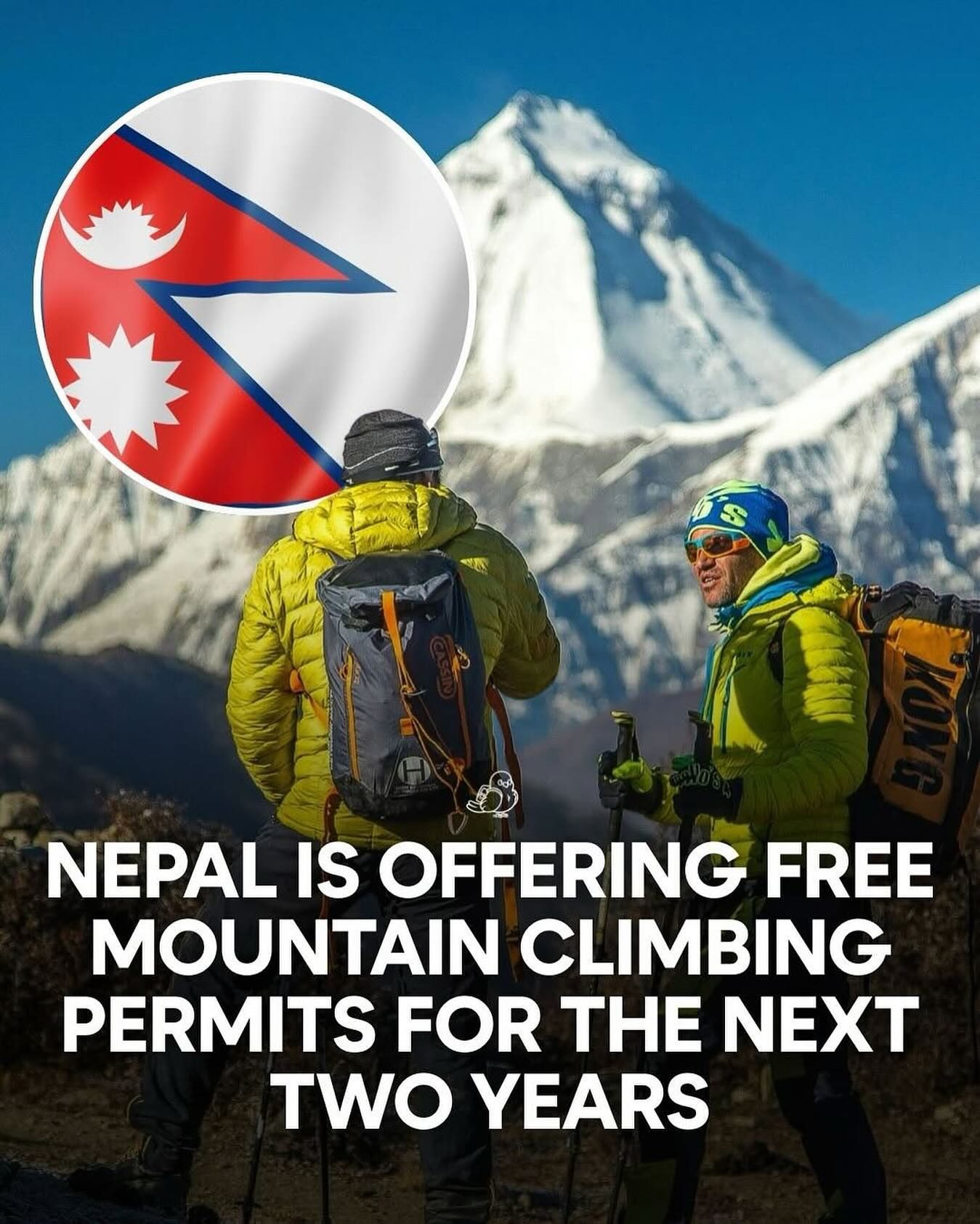
The Himalayas: A New Era of Accessibility
The Himalayas, a dream destination for mountaineers, have become even more enticing. Nepal has announced an initiative to offer free climbing permits for 97 Himalayan peaks, ranging from 5,870 meters to 7,132 meters, for the next two years starting July 17, 2025. These peaks, located in the remote Karnali and Sudurpashchim provinces, present untouched trails and epic summits that few adventurers have explored. This initiative opens up a rare opportunity to climb hidden Himalayan giants like Api (7,132 m), Api West (7,076 m), and Saipal (7,030 m) without the usual permit fees.
Why This Matters
The announcement of free climbing permits in Nepal has significant implications for both aspiring and experienced mountaineers. Here’s a closer look at why this matters:
Reducing Pressure on Everest
Everest, the world's highest peak, has long been a magnet for climbers, and it’s also been known for its congestion. The permit fees for Everest are set to increase from $11,000 to $15,000 starting September 1, 2025. By offering free permits for other peaks, Nepal aims to distribute climbers more evenly across the Himalayas, alleviating some of the pressure on Everest.
Stepping Stones to Everest
The free peaks could also become essential stepping stones for climbers aiming for Everest. If Nepal's proposed rules come into effect, these peaks could serve as mandatory preparation grounds before attempting the world's highest summit, ensuring climbers are well-prepared for the challenges ahead.
Boosting Eco-Tourism
Beyond the allure of new climbing frontiers, this initiative is a strategic move to boost eco-tourism and support remote local communities. By attracting climbers to these lesser-known peaks, Nepal can foster economic development in regions that have typically been overlooked.
The Allure of Untouched Peaks
The 97 peaks in question offer a unique draw: untouched trails and epic summits that few have explored. For adventurers seeking solitude and the thrill of discovery, these mountains present a golden opportunity.
A Closer Look at the Peaks
The 97 peaks that will be accessible under the new permit policy are a mix of well-known and lesser-known mountains. They are spread across the Karnali and Sudurpashchim provinces, offering a range of challenges and experiences.
Karnali and Sudurpashchim Provinces
The Karnali and Sudurpashchim provinces in western Nepal are known for their rugged terrain and stunning landscapes. These regions are home to some of the most pristine and remote areas in the Himalayas. The Karnali River, one of the world's deepest gorges, flows through this region, adding to its allure.
Prominent Peaks
Among the 97 peaks, some notable summits include:
- Api (7,132 m): The highest peak in the region, Api offers a challenging ascent and breathtaking views.
- Api West (7,076 m): A close cousin to Api, this peak provides a similar experience with its own unique challenges.
- Saipal (7,030 m): Another high peak, Saipal offers a challenging ascent and stunning vistas.
These peaks, among others, offer a range of difficulties, making them suitable for both novice and experienced climbers.
Practical Tips for Aspiring Climbers
If you’re planning to take advantage of this unique opportunity, here are some practical tips to help you prepare:
Research and Plan
Before embarking on your journey, thoroughly research the peaks you plan to climb. Understand the terrain, weather conditions, and the necessary gear. Consult guides and local experts to get the most accurate and up-to-date information.
Gear Up
Ensure you have the right gear for your climb. Since Nepal offers a broad range of peaks, your gear will need to be versatile. For example, a Kong backpack, which was featured in the visuals, is an excellent choice for carrying essentials. You will also need appropriate clothing, footwear, and climbing equipment. Remember to check the weight limits for the equipment and make sure everything you bring is essential for the climb.
Physical Fitness
Climbing in the Himalayas requires a high level of physical fitness. Start a rigorous training regimen well in advance, focusing on cardio, strength, and endurance. Regular hikes, running, and strength training will prepare your body for the challenges ahead.
Permits and Regulations
While the permits are free, make sure you understand all the necessary regulations and requirements. Keep your documentation in order and ensure you have any necessary visas or travel documents. If you plan to climb as part of a group, check the group size requirements and any specific regulations for group climbs.
Important Takeaways
The recent initiative by Nepal to offer free climbing permits for 97 Himalayan peaks is a pivotal moment for mountaineers worldwide. This move not only opens up new climbing opportunities but also helps distribute climbers more evenly, reducing pressure on Everest. The free permits create an opportunity to explore untouched trails and epic summits that few have seen. Additionally, this initiative will foster economic development in remote areas, boosting eco-tourism and supporting local communities.
Conclusion
The Himalayas, with their majestic peaks and untouched trails, have always been a dream destination for mountaineers. With Nepal's new initiative to offer free climbing permits, this dream has become more accessible than ever. Whether you’re a seasoned climber or a novice adventurer, this is the perfect window to explore the hidden gems of the Himalayas. So, gear up, plan your journey, and get ready to embark on an adventure of a lifetime.
Watch the Reel
Questions readers ask
Which peaks are included in Nepal's free climbing initiative?
The initiative covers 97 Himalayan peaks, ranging from 5,870 meters to 7,132 meters. Some of the notable peaks include Api (7,132 m), Api West (7,076 m), and Saipal (7,030 m). These peaks are located in the remote Karnali and Sudurpashchim provinces, offering climbers a chance to explore untouched trails and epic summits.
How long will the free climbing permits be available?
The free climbing permits for these 97 peaks will be available for the next two years, starting from July 17, 2025. This temporary measure is designed to encourage climbers to explore these less-frequented areas and reduce congestion on more popular routes, such as Everest.
What are the benefits of climbing these free peaks in Nepal?
Climbing these free peaks offers several benefits, including the opportunity to explore remote and untouched trails, providing essential training grounds for climbers, and supporting eco-tourism in overlooked communities. This initiative allows climbers to experience the beauty of the Himalayas in a less crowded environment, while also contributing to the local economy.
Are there any specific requirements to climb these free peaks?
While the climbing permits for these peaks are free, climbers will still need to follow standard safety guidelines and obtain necessary visas and insurance. The specific requirements may vary, so it's important to check with local authorities or a reputable climbing agency for the most accurate and up-to-date information.
How will this initiative impact local communities in Nepal?
The initiative aims to boost eco-tourism in the remote Karnali and Sudurpashchim provinces. By attracting more climbers, these areas will see an increase in economic activity, creating jobs and supporting local businesses. Additionally, this initiative can help preserve natural resources and promote sustainable practices in these regions.
What are some of the best trails for mountain climbing in Nepal?
Nepal offers a variety of stunning trails for mountain climbing, including the Annapurna Circuit, Everest Base Camp Trek, and the Langtang Valley Trek. However, with the new initiative, climbers can also explore the remote trails of the 97 free peaks, providing a unique and less-crowded climbing experience.
What are some tips for mountain climbing in Nepal?
Before embarking on a climb, it's crucial to assess your skills and physical fitness. Make sure to research the peak you plan to climb, including weather conditions, terrain, and route options. Always check with local guides or agencies, and ensure you have the right equipment, permits, and insurance. Stay aware of your surroundings and follow safety guidelines to minimize risks.
Related deep dives
Similar reads based on topic and creator.




Recent articles
Fresh deep dives from the latest Reels we unpacked.



Comments
Be the first to comment.