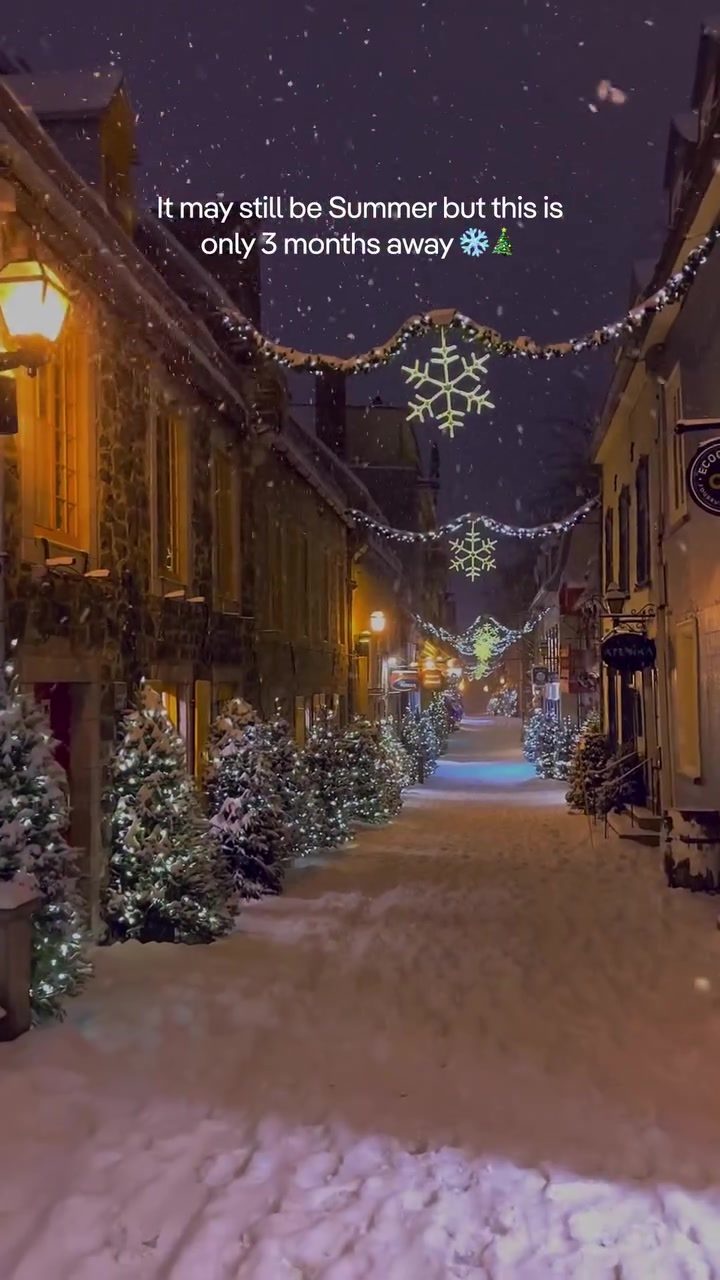
Christmas Market Decorations: A Timeless Tradition
Festive cheer and holiday magic reach new heights in European Christmas markets, whether you're sipping mulled wine in Vienna, enjoying a festive sleigh ride in Budapest, or simply admiring the architecture in Québec.
Context / Why this matters
As the summer days draw to a close, the average person begins to long for colder weather and traditional holiday activities. Retailers, city planners, and tourists alike look forward to the winter months for the beauty and joy of Christmas markets. Indeed, the Christmas market tradition brings communities together, supports local artisans, and fosters a sense of belonging.
A Journey Through European Christmas Markets
Let's embark on a journey through some of the most enchanting Christmas markets in Europe, inspired by the sights and descriptions of places like Québec City, Vienna, Budapest, Strasbourg, and Colmar.
Québec City, Canada
Québec City's Old Town, also called Old Quebec, is a UNESCO World Heritage Site. The city is known for its European heritage and charming atmosphere. Imagine the cobblestone streets dusted with snow, picturesque timber houses, and fairy lights twinkling in the crisp night air. A cathedral towers over the market, and the scent of mulled wine and gingerbread wafts through the air. The local treats include maple syrup delicacies and Quebecois cheese. The Christmas markets in Québec City are a unique blend of European tradition and Canadian charm. These markets are hosted annually in the Old Port and Place d'Armes.
Vienna, Austria
Vienna's Christmas markets are a blend of tradition and modernity, offering a rich cultural experience. The most famous markets include the one at Rathausplatz (City Hall Square) and the one in front of Schönbrunn Palace. Visitors can enjoy traditional Austrian pastries, such as vanilla kipferl and stollen, and warm beverages like glühwein (mulled wine) and punsch (hot punch). The market stalls sell handcrafted ornaments, traditional dolls, and intricately designed glassware. The market at Schönbrunn Palace is particularly famous for its ice-skating rink and the Christmas concert performances. The atmosphere is festive and vibrant, with the city's historic buildings adorned with beautiful lights.
Budapest, Hungary
Budapest's Christmas markets bring a unique charm with their traditional Hungarian crafts and seasonal delicacies. The main market is located in Vorosmarty Square, where local artisans sell their handmade products. The extensive Christmas market is a local favorite and offers a range of gingerbread, sausages, and pastries. The market will have the most beautiful Hungarian handmade crafts, like wooden toys and glass ornaments. The Advent Concerts and the Christmas tree lighting ceremony are memorable experiences. The market is often accompanied by fairy lights and traditional music, creating a magical atmosphere.
Strasbourg, France
Strasbourg's Christmas market is one of the oldest and most famous in Europe. Known as the "Capital of Christmas," the city hosts several markets, including the largest one at Place de la Cathédrale. The market is a feast for the senses, with stalls selling Strasbourg’s famous bredele (gingerbread), Alsatian wines, and traditional French delicacies. Each stall showcases the finest handmade crafts, such as traditional wooden ornaments and beautifully crafted nativity scenes. The market is divided into several themed areas, each adding to the overall festive ambiance.
Colmar, France
Colmar’s Christmas market is a magical place, nestled in the Alsatian region of France. The town's half-timbered houses and cobblestone streets create a picturesque backdrop for the market. The scent of mulled wine and roasted chestnuts fills the air as visitors stroll through the stalls. Local artisans sell traditional Alsatian crafts, including beautiful glass ornaments and intricate wooden decorations. The market is divided into six themed areas, each with its specialties. The children’s area features a small Ferris wheel and fun activities.
Practical Tips for Visiting Christmas Markets
When planning a trip to European Christmas markets, consider the following tips:
Clothing & Warming Up
Christmas markets are often outdoors, so dress in layers and wear comfortable, waterproof shoes. Carry a warm drink, like glühwein (mulled wine) or hot chocolate, to keep yourself warm. There are plenty of options to try, but the best are the ones that look the most appetizing and inviting.
Timing
Timing is crucial; markets usually open in late November and run through early January. However, it is best to visit mid-December for a more festive experience. Early visits can help you avoid the peak crowds, but the bustling atmosphere is more vibrant later on.
Must-Try Food
Each market has its unique delicacies. Try local pastries, mulled wine, and roasted chestnuts. You can try some of the traditional treats, like gingerbread and stollen, which are essential to the European Christmas experience.
Exploring the Area
Don’t just focus on the markets. Explore the surrounding areas, especially if you're visiting in the colder months. The markets are often located in the heart of the city, surrounded by historical sites and beautiful architecture. Make the most of your visit by combining it with sightseeing and local tours.
Festive Spirit: The Magic of Christmas Markets
Christmas markets are more than just shopping destinations; they are a celebration of community and tradition. The festive lights, warm beverages, and hearty food create an atmosphere that is both welcoming and joyful. Whether you're a local resident or a visitor, the markets offer a unique and magical experience that captures the essence of the holiday season.
Important Takeaways
European Christmas markets are a must-visit for anyone looking to experience the festive spirit. They offer a blend of tradition, culture, and joy, making them a memorable experience. From the historical charm of Québec City to the vibrant energy of Vienna and the magical atmosphere of Colmar, each market has its unique charm.
Conclusion
In just three months, the anticipation of Christmas markets will approach, and the buzz of activity will begin. Whether you are a local or a visitor, these markets offer a unique and magical experience that captures the essence of the holiday season. So, whether you prefer a quiet evening with hot cocoa or a lively night with mulled wine, there's a Christmas market out there for you.
Watch the Reel
Questions readers ask
When do European Christmas markets typically open?
European Christmas markets usually open in late November, with most markets in full swing by early December. Some markets, like the one in Strasbourg, France, even open as early as the end of November. Markets typically run until Christmas Eve or just a few days into January.
What are the most popular European Christmas markets?
Some of the most popular Christmas markets in Europe include the Christkindlesmarkt in Nuremberg, Germany; the Vienna Christmas Market, Austria; and the Christmas Markets in Strasbourg, France, and Budapest, Hungary. These markets are renowned for their unique atmosphere, traditional crafts, and delicious local cuisine.
What kind of decorations can I expect to see at European Christmas markets?
European Christmas markets are known for their enchanting decorations. Expect to see twinkling Christmas market lights, beautifully decorated stalls, and festive displays such as giant Christmas trees. Many markets also feature ice skating rinks and nativity scenes, adding to the holiday magic.
What are the best Christmas markets for local cuisine?
For local cuisine, consider visiting the Christmas markets in Cologne, Germany, known for their Hearty German street food. Budapest, Hungary, offers traditional Hungarian dishes, while the Christmas market in Prague, Czech Republic, serves hearty Czech fare. Each market offers a unique culinary experience.
Can I find unique gifts at European Christmas markets?
Absolutely. European Christmas markets are perfect for finding unique gifts. Local artisans showcase their handmade crafts, including wooden toys, hand-blown ornaments, and traditional textiles. You'll also find a variety of local foods and beverages that make excellent gifts.
Are there any non-alcoholic beverages to try at European Christmas markets?
Yes, there are plenty of non-alcoholic beverages to enjoy. Popular choices include warm apple cider, hot chocolate, and traditional herbal teas. These drinks are perfect for warming up while exploring the markets.
How can I travel between different European Christmas markets?
Traveling between European Christmas markets can be done by plane, train, or car, depending on your itinerary. Major cities with well-known Christmas markets are often connected by efficient public transportation. Some travelers prefer guided tours that include transportation, accommodations, and itineraries tailored to popular markets.
Related deep dives
Similar reads based on topic and creator.



Recent articles
Fresh deep dives from the latest Reels we unpacked.




Comments
Be the first to comment.