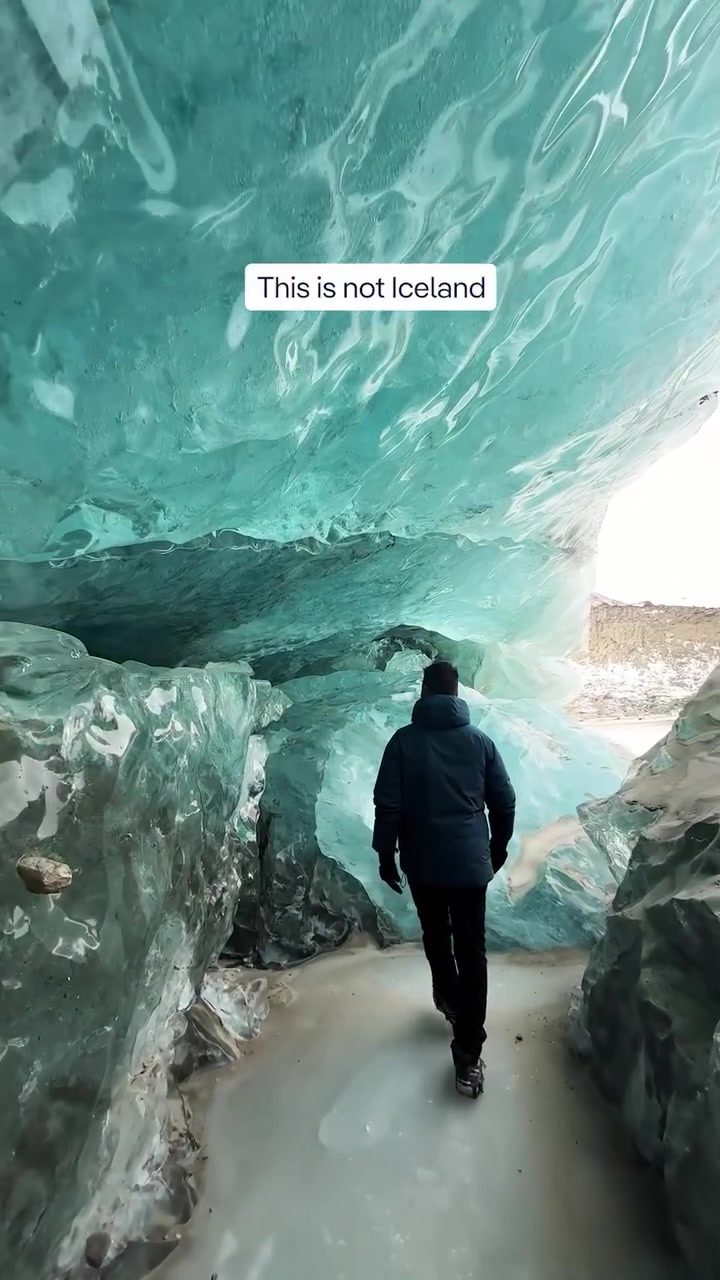
Ladakh: The Land of High Passes and Surreal Landscapes
High in the Indian Himalayas, Ladakh is a remote region that feels like another planet. Known as the Land of High Passes, this part of northern India is renowned for its dramatic mountain roads, ancient Buddhist monasteries, and vast high-altitude desert landscapes. The sheer scale of Ladakh's scenery is unparalleled, making it a must-visit destination for adventure seekers and nature lovers alike.
Why Ladakh Matters
Ladakh is more than just a scenic destination. It offers a unique blend of adventure travel, cultural depth, and some of the most surreal landscapes in South Asia. Whether you are planning an adventure-filled trip or a cultural immersion, Ladakh delivers year-round. The region's distinct seasons provide different experiences, from summer trekking and vibrant festivals to autumn colors and crisp spring light.
Exploring the Majestic Landscapes
Mountain Roads and High Altitude Passes
One of the defining features of Ladakh is its dramatic mountain roads and high altitude passes. These roads wind through some of the most breathtaking landscapes in the world. Key passes like Khardung La, the highest motorable pass in India, offer panoramic views that are both awe-inspiring and humbling. The drive itself is an adventure, with steep inclines, sharp turns, and the ever-present challenge of altitude sickness.
Ancient Buddhist Monasteries
Ladakh is home to several ancient Buddhist monasteries, each with its unique history and architectural beauty. Hemis Monastery, one of the largest and wealthiest monasteries in Ladakh, is a must-visit. It houses a rich collection of thangka paintings, artifacts, and a breathtaking view of the surrounding mountains. The monastery is also famous for its Hemis Festival, which celebrates the birth anniversary of Guru Padmasambhava. The festival features colorful processions, traditional dances, and vibrant cultural performances.
Pangong Lake and Nubra Valley
Pangong Lake is a high-altitude lake that stretches over 134 kilometers, with one-third of it lying in India and the rest in China. The lake's turquoise waters, surrounded by towering mountains, create a surreal and mesmerizing landscape. In contrast, the Nubra Valley offers a unique desert experience. Known for its sand dunes and double-humped Bactrian camels, the valley provides a stark contrast to the snow-capped peaks of Ladakh. The confluence of the Shyok and Nubra Rivers, known as the Sand Dunes of Hunder, is a popular spot for camping and exploring the desert landscape.
The Four Seasons of Ladakh
Winter Wonderland
In winter, Ladakh transforms into a snow-covered, near-silent wilderness. The snow blankets the landscape, creating a serene and tranquil atmosphere. This is the perfect time for those seeking solitude and tranquility. Activities like skiing, ice skating, and snow trekking are popular during this season.
Summer Trekking
Summer in Ladakh brings clear trekking conditions, making it an ideal time for adventure enthusiasts. The weather is pleasant, and the days are longer, providing ample time for exploration. Popular trekking routes include the Markha Valley Trek, the Stok Kangri Trek, and the Great Ladakh Range. These treks offer stunning views of the Himalayan peaks, Glaciers, and alpine meadows.
Autumn Colors
Autumn in Ladakh is a time of vibrant colors. The valleys and mountains are adorned with hues of gold, red, and orange as the leaves change color. This season is perfect for those who enjoy photography and want to capture the beauty of the changing landscapes. Autumn is also a great time to visit the monasteries and participate in their festivals.
Spring Magic
Spring in Ladakh is marked by crisp, clear light and lush green landscapes. The snow begins to melt, revealing wildflowers and green meadows. The weather is mild, making it a great time for sightseeing and photography. The spring season is also a good time to visit the local villages and interact with the nomadic communities who call Ladakh home.
Practical Tips for Visiting Ladakh
Visiting Ladakh requires careful planning, especially due to its high altitude and remote location. Here are some practical tips to make your trip smoother:
Acclimatization
Given the high altitude, acclimatization is crucial. Spend at least a couple of days in Leh, the capital of Ladakh, before venturing into higher regions. This will help your body adjust to the low oxygen levels and reduce the risk of altitude sickness.
Permits
Certain areas in Ladakh, such as Nubra Valley, require special permits. Ensure you have all the necessary permits before embarking on your journey. These permits can usually be obtained from the local district offices or through a travel agency.
Packing Essentials
Pack warm clothing, even in summer, as temperatures can drop significantly, especially at night. Carry sunscreen, sunglasses, and a hat to protect yourself from the harsh UV rays. A good pair of trekking shoes and a water bottle are also essential.
Health and Safety
Carry a basic first-aid kit and any necessary medications. Keep in mind that medical facilities are limited in remote areas, so it's wise to be prepared. Always inform someone about your travel plans and stay in touch, especially if you are traveling solo.
Important Takeaways
Ladakh is a destination that offers a unique blend of adventure, culture, and natural beauty. Its dramatic landscapes, ancient monasteries, and diverse seasons make it a year-round destination. Whether you are an adventure seeker, a nature lover, or a cultural enthusiast, Ladakh has something to offer.
Conclusion
Ladakh is a land of contrasts and wonders. From the dramatic mountain roads and high-altitude passes to the serene lakes and vibrant monasteries, it offers an experience that is truly unique. The region's distinct seasons add to its allure, providing different experiences throughout the year. Whether you are planning a summer trek, a winter adventure, or an autumn photography expedition, Ladakh is a destination that will leave you spellbound. So, if you are planning an India itinerary beyond the Golden Triangle, make sure to include Ladakh for an unforgettable adventure.
Watch the Reel
Questions readers ask
What makes Ladakh's landscapes so unique?
Ladakh's landscapes are unique due to their vast, high-altitude deserts and dramatic mountain ranges, which create a surreal and otherworldly atmosphere. The region's high passes and snow-covered peaks add to the distinct and beautiful scenery of Ladakh.
Why is Ladakh known as the Land of High Passes?
Ladakh is referred to as the Land of High Passes due to its numerous high-altitude mountain roads, such as the Khardung La and Chang La passes. These passes offer stunning views and are popular among adventure seekers for scenic drives and thrilling journeys.
What are some must-visit monasteries in Ladakh?
Ladakh is home to many ancient Buddhist monasteries, including Hemis Monastery, Thiksey Monastery, and Diskit Monastery. These monasteries offer insights into Ladakh's rich cultural heritage and are notable for their architecture and historical significance.
When is the best time to visit Ladakh for adventure activities?
The best time for adventure activities in Ladakh is during the summer months, from May to September, when the weather is relatively mild and the roads are accessible. However, winter months offer unique experiences like snow covered landscapes and winter treks for the bravest adventurers.
What are some notable festivals in Ladakh?
Ladakh hosts several vibrant festivals throughout the year, such as the Hemis Festival in June, which features masked dances and traditional music, and the Losar Festival in January, which marks the Tibetan New Year with colorful celebrations and local performances.
How do Ladakh's seasons differ and what can visitors expect?
Ladakh experiences distinct seasons. Summer is mild and ideal for trekking and sightseeing, while winter brings snow-covered landscapes and cold temperatures, perfect for those seeking a serene and quiet experience. Spring and autumn offer pleasant weather and beautiful scenery, making them great times for exploration.
What are some of the most scenic drives in Ladakh?
Ladakh offers several scenic drives, including the drive from Leh to Pangong Tso Lake, which passes through breathtaking landscapes and high-altitude deserts. The Khardung La Pass route and the Manali-Leh Highway also provide stunning views of the Himalayan mountain range.
Related deep dives
Similar reads based on topic and creator.



Recent articles
Fresh deep dives from the latest Reels we unpacked.




Comments
Be the first to comment.