Autonomous Driving and Advanced Camera Rig Technology
Autonomous driving and advanced camera rigs represent cutting-edge innovations in the automotive and film industries. These technologies are transforming how we experience both driving and filmmaking, offering new possibilities for safety, efficiency, and storytelling.
Context / Why This Matters
The intersection of autonomous driving and film technology highlights the rapidly advancing capabilities of modern machinery in both fields. For automotive enthusiasts and filmmakers alike, these advancements represent significant milestones in innovation. Understanding these technologies can provide insights into the future of transportation and cinema.
Autonomous Driving Capabilities
The Demonstration of Autonomous Driving
Autonomous driving features are designed to navigate complex traffic scenarios with precision. The demonstration showcases a black car driving itself, seamlessly navigating through traffic. This first-person perspective provides a unique view of how autonomous vehicles handle real-world driving conditions. The car’s ability to maneuver through traffic without human intervention is a testament to the advancements in sensor technology, AI, and machine learning.
The Technology Behind Autonomous Driving
Autonomous driving relies on a suite of technologies, including cameras, LiDAR, radar, and advanced algorithms. These systems work together to create a detailed map of the environment, allowing the car to make real-time decisions. The use of gyro-stabilized heads ensures that the camera remains steady, providing a smooth and immersive experience for passengers and viewers alike.
Advanced Camera Rig Technology
Innovative Camera Rigs by Filmotechnic
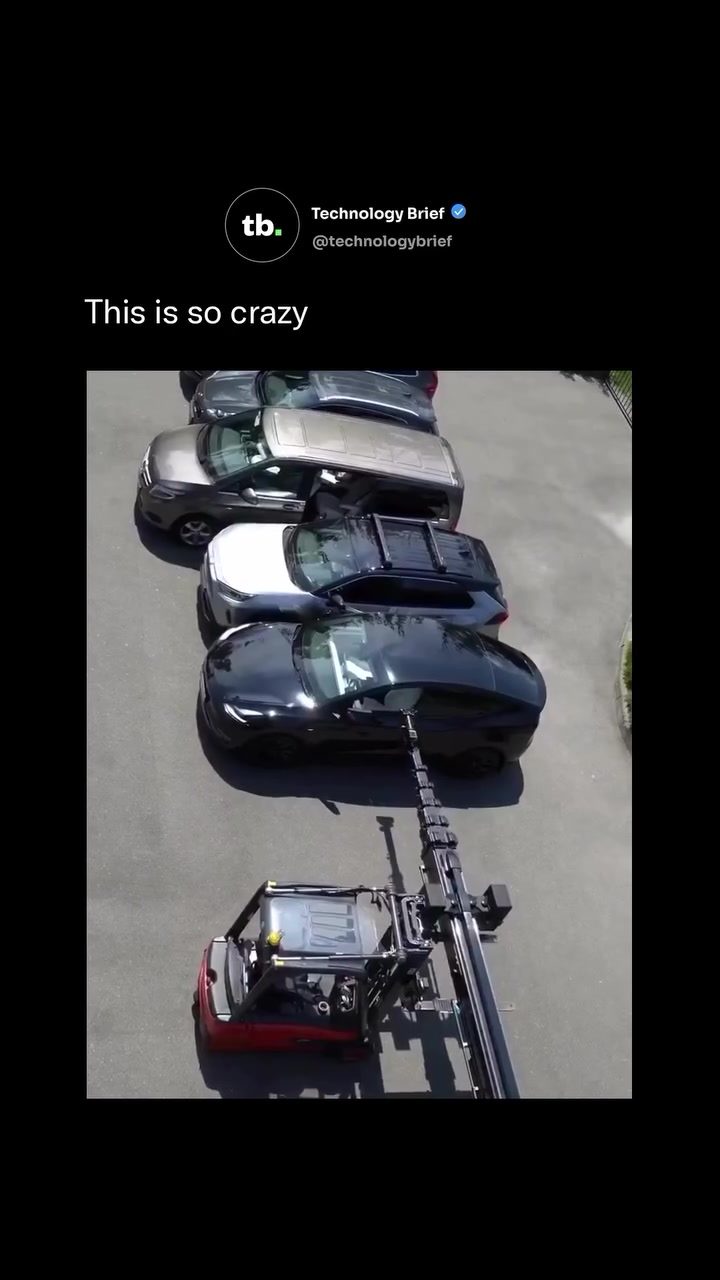
Filmotechnic Worldwide, founded in 1990 by Ukrainian engineer Anatoliy Kokush, has revolutionized filmmaking with their advanced camera rigs. These rigs are particularly noted for their ability to capture seamless interior tracking shots that would be impossible to achieve with traditional methods. The forklift-mounted camera arm can extend through the open windows of multiple parked cars in a single, unbroken move, providing a unique view of the vehicle's interior.
U-CRANE and Technoscope Lineup
The U-CRANE and Technoscope lineup by Filmotechnic offers cinematographers an unprecedented range of tracking shots. These systems are versatile and can be used in various environments, from racetracks to tight parking lots. Utilizing joystick operators and gyro-stabilized heads, the rigs ensure that the camera remains steady throughout the entire pass, capturing smooth and uninterrupted footage.
Applications in the Film Industry
Filmotechnic's equipment has become a go-to tool for car commercials, action films, and high-speed chase sequences. The ability to place audiences directly inside a vehicle without ever cutting the camera adds a layer of realism and intensity to the viewing experience. Productions can achieve shots that would be nearly impossible with traditional camera techniques, making these rigs invaluable in the film industry.
Practical Tips for Cinematographers
Leveraging Advanced Camera Rigs
For cinematographers looking to utilize advanced camera rigs, it's essential to understand the capabilities and limitations of the equipment. Working with joystick operators and gyro-stabilized heads can provide smooth and dynamic shots, but it requires coordination and skill. Cinematographers should consider the environment and the specific shots they need to capture, ensuring that the rig can handle the required movements and angles.
Ensuring Smooth and Steady Footage
To achieve smooth and steady footage, cinematographers should focus on the stabilization techniques provided by the rig. Gyro-stabilized heads are crucial for maintaining a steady image, especially in high-speed or dynamic scenes. Proper planning and communication with the joystick operators can also help in achieving the desired results, ensuring that the camera moves seamlessly through the environment.
Important Takeaways
- Autonomous Driving: Navigates traffic with precision, showcasing real-world driving capabilities.
- Camera Rigs: Offer unique tracking shots, crucial for car commercials and action films.
- Advanced Technology: Utilizes AI, sensors, and advanced algorithms for smooth and immersive experiences.
Conclusion
The advancements in autonomous driving and camera rig technology represent significant milestones in both the automotive and film industries. These technologies offer new possibilities for safety, efficiency, and storytelling, providing unique experiences for audiences and passengers alike. As these technologies continue to evolve, they will undoubtedly shape the future of transportation and cinema.
Watch the Reel
Related deep dives
Similar reads based on topic and creator.



Recent articles
Fresh deep dives from the latest Reels we unpacked.




Comments
Be the first to comment.