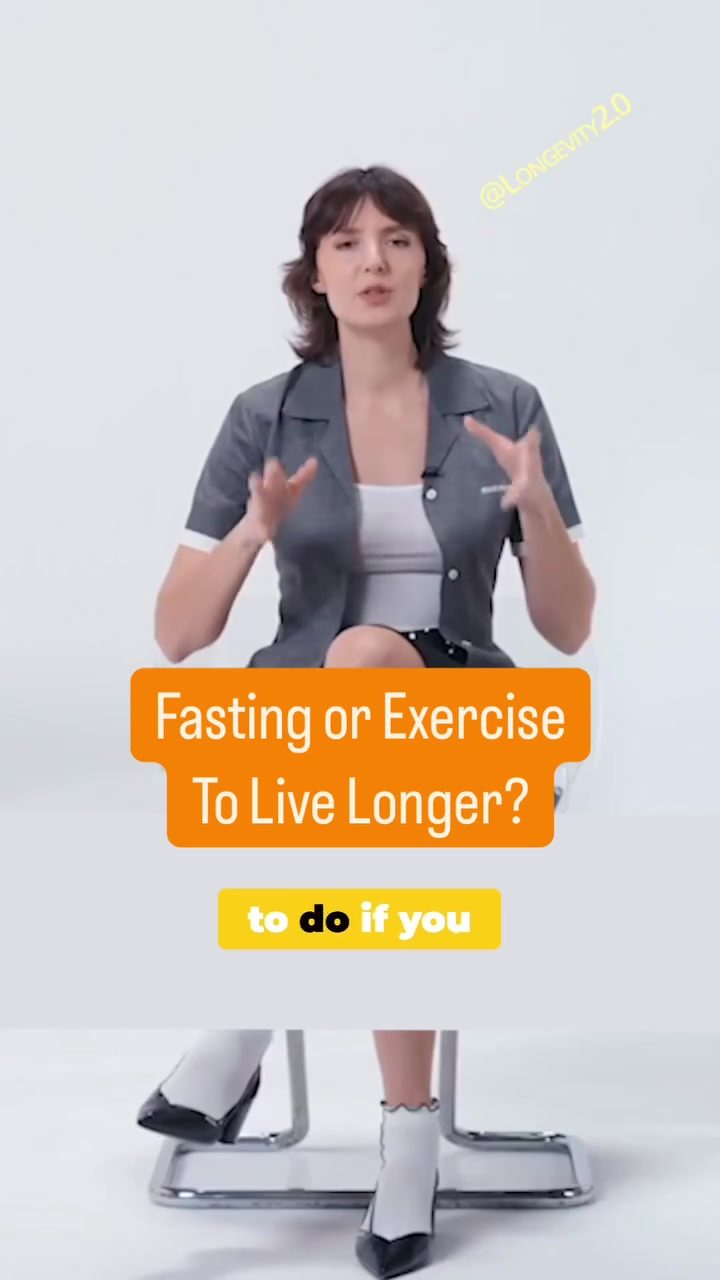
Living longer? Exercise, not just fasting, is the key. Jessie Inchauspé, a name synonymous with longevity and wellness, offers insights into how exercise can significantly boost your lifespan.
The pursuit of longevity has long been a topic of interest for many. Traditionally, fasting and caloric restriction were believed to be the go-to methods for extending lifespan. However, recent studies, particularly those conducted on monkeys, have challenged this notion. These studies reveal that fasting alone does not necessarily lead to a longer life. Instead, the focus should be on regular exercise.
Why This Matters
Understanding the benefits of exercise for longevity is crucial. Regular physical activity has been shown to add anywhere from 7 to 10 extra years to your life. This is a significant increase that can dramatically improve your quality of life and overall health. As we age, maintaining good health and vitality becomes even more important. By incorporating regular exercise into your routine, you can not only extend your lifespan but also enhance your healthspan—the period of your life spent in good health.
The Benefits of Exercise
Enhanced Cardiovascular Health
Regular exercise, especially cardiovascular activities like running, swimming, or cycling, can significantly improve your heart health. These activities help strengthen your heart muscle, lower blood pressure, and reduce the risk of heart disease. Over time, a healthy heart means reduced risks of cardiovascular issues, which are among the leading causes of mortality worldwide.
Improved Mental Health
Exercise is not just about physical benefits; it also has profound effects on mental health. Engaging in regular physical activity can reduce symptoms of depression and anxiety. It stimulates the production of endorphins, often referred to as "feel-good" hormones, which can improve your mood and reduce stress. This mental boost can lead to a more positive outlook on life, further contributing to your overall well-being.
Strengthened Immune System
Regular exercise can also bolster your immune system. Physical activity helps to flush bacteria out of the lungs and airways, reducing the risk of respiratory infections. Additionally, it can enhance the production of white blood cells, which help your body fight off infections. A stronger immune system means you're less likely to fall ill, and when you do, your body can recover more quickly.
Reduced Risk of Chronic Diseases
Incorporating exercise into your routine can significantly lower the risk of chronic diseases such as diabetes, certain cancers, and metabolic syndrome. Regular physical activity helps regulate blood sugar levels, maintain a healthy weight, and reduce inflammation, all of which are crucial for preventing these diseases.
Increased Longevity
Studies have consistently shown that people who exercise regularly live longer. The exact mechanism is not fully understood, but it is believed to be due to a combination of factors, including improved cardiovascular health, reduced inflammation, and better mental health. By exercising at least three times a week, you can potentially add 7 to 10 years to your lifespan.
Practical Tips
Start Small
If you're new to exercise, it's essential to start small and gradually increase your activity level. Aim for at least 30 minutes of moderate-intensity exercise, such as brisk walking or cycling, at least three times a week. As your fitness improves, you can increase the duration and intensity of your workouts.
Choose Activities You Enjoy
It's easier to stick to an exercise routine if you enjoy the activities you're doing. Whether it's dancing, swimming, or hiking, choose activities that bring you joy. This will make it more likely that you'll maintain a consistent exercise routine.
Mix It Up
Variety is key to keeping your exercise routine engaging and effective. Incorporate a mix of cardiovascular, strength, and flexibility exercises into your routine. This will help you work different muscle groups and prevent boredom.
Make It a Habit
Consistency is crucial for seeing long-term benefits. Try to make exercise a regular part of your routine, like brushing your teeth or having breakfast. The more consistent you are, the more likely you are to see improvements in your health and longevity.
Important Takeaways
- Regular exercise can add 7 to 10 years to your lifespan.
- Fasting alone does not significantly extend lifespan, but regular exercise does.
- Exercise improves cardiovascular health, mental health, and the immune system.
- Incorporating a variety of exercises into your routine can keep it engaging and effective.
- Consistency is key for seeing long-term benefits.
Conclusion
In conclusion, incorporating regular exercise into your routine is one of the most effective ways to extend your lifespan and improve your overall health. While fasting and caloric restriction may have some benefits, they are no match for the profound effects of regular physical activity. By making exercise a regular part of your life, you can not only live longer but also enjoy a higher quality of life.
Watch the Reel
Questions readers ask
How does exercise contribute to a longer lifespan?
Exercise contributes to a longer lifespan by improving cardiovascular health, boosting metabolism, and enhancing the body's overall resilience. Regular physical activity can help reduce the risk of chronic diseases, strengthen the immune system, and promote better mental health, all of which can add up to a decade to your lifespan.
Does fasting alone increase longevity?
Fasting alone may not significantly increase longevity. While it can offer short-term benefits, such as improved metabolism, it does not necessarily add years to your lifespan. Recent studies, particularly those conducted on monkeys, have shown that fasting alone does not extend life as effectively as regular exercise.
What types of exercise are best for longevity?
A mix of cardiovascular exercises, strength training, and flexibility workouts are ideal for longevity. Activities like walking, running, swimming, and cycling improve heart health, while strength training builds muscle mass and prevents age-related muscle loss. Incorporating flexibility exercises, such as yoga or stretching, can enhance mobility and reduce the risk of injuries.
How does exercise enhance healthspan?
Exercise enhances healthspan by keeping the body in optimal condition, allowing individuals to maintain an active and independent lifestyle as they age. Regular physical activity can help prevent age-related diseases, improve cognitive function, and boost overall well-being, ensuring that individuals enjoy a high quality of life for a longer period.
What are the benefits of exercise compared to caloric restriction for longevity?
Exercise offers numerous benefits over caloric restriction for longevity. While caloric restriction may lead to short-term weight loss and metabolic improvements, it can also cause muscle loss and nutrient deficiencies. In contrast, exercise builds muscle, strengthens bones, and improves overall health, making it a more sustainable and effective approach to extending lifespan.
What are Jessie Inchauspé's insights on exercise and longevity?
Jessie Inchauspé, known for her work in longevity and wellness, emphasizes the importance of exercise in boosting lifespan. She suggests that regular physical activity is key to living longer and enhances overall health, making it a crucial component of any longevity plan.
Recent articles
Fresh deep dives from the latest Reels we unpacked.




Comments
Be the first to comment.