Retro Gaming Emulation
Emulation has long been a gateway for gamers to revisit classic titles, and one of the pioneering tools in this realm was NESticle. Released on April 3, 1997, by programmer Icer Addis of Bloodlust Software, NESticle was the first freeware NES emulator. It ran on DOS and Windows 95, making it accessible to a wide audience with modest hardware, including a 486 processor. This capability made NESticle the go-to emulator for the entire late 1990s.
Context: Why This Matters
NESticle's significance lies in its role as a trailblazer in the emulation community. It allowed players to experience classic NES games on their home PCs without the need for physical cartridges. This not only preserved the games but also introduced new features that would become staples in emulation software for decades to come.
The Technical Challenges of Early Emulation
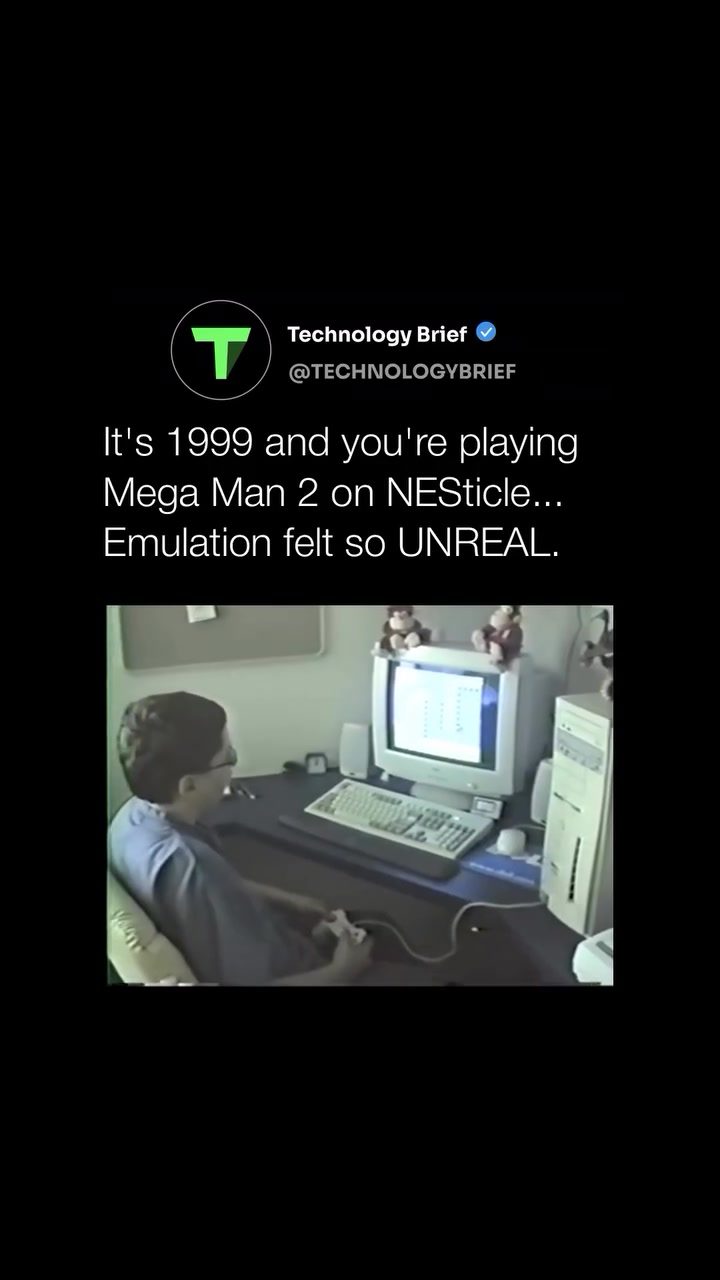
One of the notable quirks of early emulation was the imperfect audio reproduction. Games like Mega Man 2 would often have garbled, distorted sound when the sound sample rate was changed. This issue arose because the original NES hardware had fixed specifications, and any mismatch in how the emulator handled the audio output could disrupt the entire soundtrack. Users who changed the sound rate from a low to a higher setting might encounter this problem, as the emulator was not designed to handle the new rate seamlessly. This resulted in a distorted audio experience, as heard in gameplay clips from that era. The scene of someone struggling with the sound issues in Mega Man 2, for example, highlights this common challenge.
Innovative Features of NESticle
Beyond just playing games, NESticle introduced several features that defined emulation for decades. Some of these groundbreaking features included:
-
Save States: This feature allowed players to save their progress at any point in the game, making it easier to pick up where they left off without relying on passwords or in-game save points.
-
Gameplay Recording: NESticle enabled users to record their gameplay sessions, which was a novel concept at the time. This feature allowed players to share their gameplay experiences with others or replay their sessions for personal enjoyment.
-
In-Game Graphics Editor: NESticle also included an in-game graphics editor, giving users the ability to modify the game graphics directly. This added a layer of customization and creativity for those who wanted to tweak their gaming experience.
The Impact on Gaming Culture
NESticle's impact on gaming culture was profound. It was completely free, required no cartridges, and let an entire generation experience classic NES titles on a home PC for the first time. The emulator's accessibility and innovative features made it a beloved tool among retro gaming enthusiasts. Its developer, Icer Addis, later went on to work at prominent companies like Electronic Arts and Zynga, further showcasing the influence of NESticle in the gaming industry.
Practical Tips for Modern Emulation
While NESticle set the stage for modern emulation, today's emulators come with more refined features and better performance. Here are some practical tips for those interested in retro gaming emulation:
-
Choose the Right Emulator: Different games and systems have specific emulators that work best. For instance, RetroArch is a versatile emulator that supports multiple systems, while specific emulators like Dolphin (for GameCube and Wii) or Project64 (for Nintendo 64) are tailored for particular consoles.
-
Optimize Settings: Modern emulators often come with a plethora of settings. Adjusting these settings can enhance the gaming experience. For example, adjusting the sound rate to match the original hardware specifications can prevent audio distortion.
-
Use Save States: Save states are a powerful feature that allows you to save your progress at any point in the game. This is particularly useful for games that are difficult to complete or for those who want to explore different paths without starting over.
-
Explore Community Resources: Many emulators have active communities that share ROMs, patches, and custom settings. Engaging with these communities can provide insights and resources to enhance your emulation experience.
Important Takeaways
-
Historical Significance: NESticle played a pivotal role in the evolution of emulation, introducing features that are still relevant today.
-
Technical Challenges: Early emulation faced significant technical hurdles, particularly with audio reproduction, but these issues have largely been resolved in modern emulators.
-
Community and Innovation: The emulation community has been a driving force behind the preservation and enjoyment of classic games, continuously innovating to improve the experience.
Conclusion
NESticle stands as a testament to the pioneering spirit of the emulation community. Its innovative features and accessibility paved the way for modern emulation tools, allowing gamers to enjoy classic titles with enhanced features and improved performance. Whether you're a retro gaming enthusiast or a casual player, understanding the history and evolution of emulation can deepen your appreciation for the games you love.
Watch the Reel
Questions readers ask
What prompted the creation of NESticle, the first NES emulator?
NESticle was created by programmer Icer Addis of Bloodlust Software to address the demand for an NES emulator that could run on the popular DOS and Windows 95 operating systems. The goal was to bring classic NES games in a way that is accessible to a wider audience, regardless of their computing hardware.
What were some of the innovative features introduced by the NESticle emulator?
NESticle introduced several features that would become standard in emulation software, such as save states, which allow players to pause and save their progress at any point in the game. This feature was particularly appealing to retro gaming enthusiasts.
Who developed the NESticle emulator and what was the significance of its release date?
NESticle was developed by Icer Addis of Bloodlust Software. Its release on April 3, 1997, marked a significant milestone in the retro gaming community. This was because it was the first freeware NES emulator, making it widely accessible to all.
What hardware requirements were needed to run NESticle on a PC?
NESticle was designed to run on modest hardware, including a 486 processor. This made it accessible to a wide range of users, even those with older or less powerful computers, further contributing to its popularity and impact on the emulation community.
How did the NESticle emulator influence the future of emulation?
By popularizing emulation and introducing features like save states, NESticle laid the groundwork for modern emulation software. Its success inspired further development in the field, making it a cornerstone of the emulation community and influencing the evolution of retro gaming.
Why was NESticle's ability to run on DOS and Windows 95 so important?
Running on DOS and Windows 95 was crucial because these were the most widely used operating systems at the time. This compatibility allowed NESticle to reach a vast audience, ensuring that players could easily enjoy classic NES games on their home PCs.
Related deep dives
Similar reads based on topic and creator.




Recent articles
Fresh deep dives from the latest Reels we unpacked.




Comments
Be the first to comment.