Popular American Boy Names: A Century of Trends
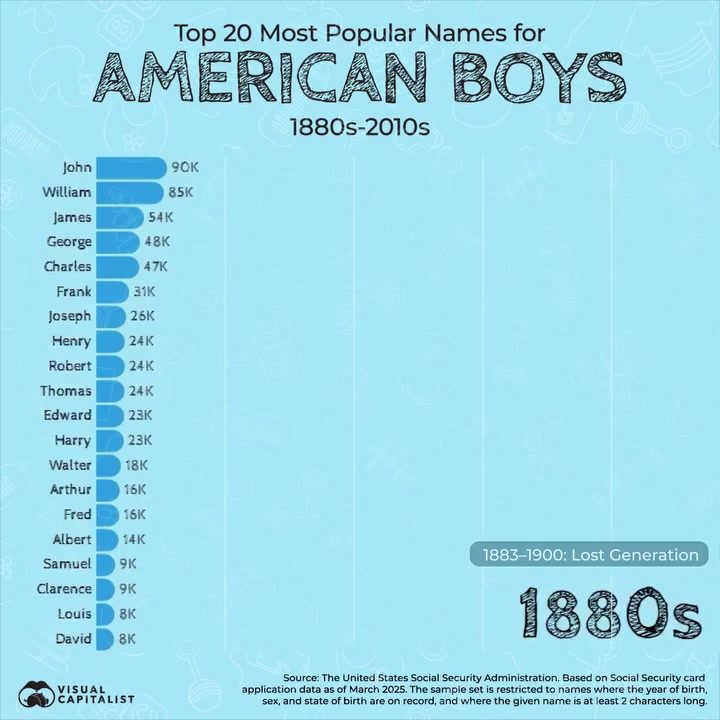
The evolution of popular boy names in the United States offers a fascinating glimpse into cultural shifts and trends over the past century. Names like William and James have maintained their popularity since the 1880s, while traditional English names such as Thomas have seen a decline. Conversely, Biblical names like Noah, Jacob, and Elijah have gained prominence in recent decades.
Context / Why This Matters
Understanding the trends in boy names provides valuable insights into societal changes, religious influences, and cultural preferences. The data from the United States Social Security Administration, based on card application data, serves as a reliable source for tracking these trends. By examining the top 20 most popular names for each generation, we can observe how naming patterns have evolved and what factors have influenced these changes.
Main Discussion
The Timeless Appeal of William and James
William and James have consistently ranked among the most popular boy names since the late 1800s. Their enduring appeal can be attributed to their historical significance and familiarity. William, for instance, has been a royal name in England for centuries, while James has biblical roots and has been a favorite among parents for generations. These names continue to be chosen by parents seeking timeless and traditional options.
The Rise and Fall of English Traditional Names
Names like Thomas, which were once very popular, have seen a notable decline in recent decades. This shift reflects broader changes in societal preferences and cultural influences. While these names may still be chosen, they are less common compared to the rise of other naming trends. The decline of these traditional English names coincides with the growing popularity of names with Biblical and modern origins.
The Dominance of Biblical Names
Biblical names such as Noah, Jacob, and Elijah have surged in popularity, particularly in recent years. These names carry a sense of tradition and religious significance, making them appealing to many parents. Noah, for example, has risen from the 25th most popular name in 1990 to the top spot in the 2010s. This trend highlights the enduring influence of religious and cultural heritage in naming choices.
Generation-Specific Trends
Each generation has its unique naming trends, reflecting the cultural, social, and historical context of the time. Here's a breakdown of the most popular names by generation:
- 1901–1927: The Greatest Generation - Names like John, William, and Robert were prevalent.
- 1928–1945: The Silent Generation - Names like James, Robert, and John continued to dominate, with some new entrants like Richard and Donald.
- 1946–1964: The Baby Boomers - Michael, David, and James were among the most popular.
- 1965–1980: Generation X - Names like Michael, Christopher, and Matthew were favored, along with the rise of names like Jason and Joshua.
- 1981–1996: Generation Y (Millennials) - The 1980s and 1990s saw the rise of names like Michael, Christopher, and Matthew, reflecting a mix of traditional and modern influences.
- 1997–2012: Generation Z - Names like Jacob, Michael, and Ethan gained popularity, with some Biblical names becoming more common.
- 2013-2024: Generation Alpha - Names like Noah, Liam, and Jacob continue to dominate, with a strong presence of Biblical and modern names.
The Influence of Pop Culture
Pop culture has also played a significant role in shaping naming trends. Names inspired by celebrities, characters from popular media, and cultural icons have become more common. For example, the rise of names like Liam and Mason can be linked to their appearances in popular movies and TV shows, reflecting the influence of entertainment on naming choices.
Practical Tips
When choosing a name for a child, it's helpful to consider the following tips:
- Historical Context: Understanding the historical and cultural background of a name can provide deeper meaning and significance.
- Popularity Trends: Consider the current trends and how a name might fit into today's societal landscape.
- Cultural Significance: Names with cultural or religious significance can hold special meaning for families.
- Uniqueness vs. Familiarity: Strike a balance between choosing a unique name and one that is familiar and easy to pronounce.
- Future-Proofing: Think about how the name will sound and be perceived in the future, considering factors like initials and potential nicknames.
Important Takeaways
- Consistency and Change: While some names like William and James have remained popular, others have seen significant shifts in popularity.
- Cultural Influence: Biblical names have gained prominence, reflecting a strong influence of religious and cultural heritage.
- Generational Trends: Each generation has its unique naming trends, influenced by the social and cultural context of the time.
- Pop Culture Impact: Entertainment and media play a significant role in shaping modern naming trends.
Conclusion
The evolution of popular boy names in the United States is a story of consistency and change, reflecting broader societal and cultural shifts. From the enduring popularity of names like William and James to the rise of Biblical and modern names, the trends highlight the dynamic nature of naming preferences. Understanding these trends can provide valuable insights for parents seeking a meaningful and culturally relevant name for their child.
Watch the Reel
Questions readers ask
Which boy names have consistently remained popular from the 1880s to the 2010s in the US?
Names like William and James have maintained their popularity throughout the decades. These names have consistently ranked high in the most popular boy names in the US, reflecting their enduring appeal and cultural significance.
How have traditional English boy names fared from the 1880s to the 2010s?
Traditional English names such as Thomas have experienced a decline in popularity over the years. While they were once highly favored, their usage has decreased, making way for other naming trends in the US.
Which Biblical names have gained the most popularity in recent decades?
Biblical names like Noah, Jacob, and Elijah have seen a significant rise in popularity, particularly in recent decades. These names often rank high in the top boy names lists, indicating a cultural shift towards Biblical influences.
How can trends in boy names reflect societal changes and cultural influences?
The evolution of boy names provides a direct reflection of societal changes. For instance, the rise in Biblical names could signify a cultural emphasis on religious values. Similarly, the decline in traditional English names might indicate a shift in cultural preferences and influences.
What is the most reliable source for tracking trends in popular boy names in the US?
The United States Social Security Administration offers a reliable source for tracking trends in popular boy names. Their data, compiled from card applications, provides a comprehensive overview of name trends from the 1880s to the 2010s.
How do boy names from the 1880s compare to those from the 2010s?
Names from the 1880s often reflect traditional and English influences, whereas names from the 2010s show a greater variety, including Biblical names and those inspired by modern culture. This shift highlights the changing cultural landscape and naming trends over time.
Can the analysis of boy names by generation reveal any interesting patterns?
Yes, analyzing boy names by generation can reveal patterns in cultural preferences. For example, certain generations may favor traditional names, while others might lean towards more contemporary or Biblical names. These trends can offer insights into the influences and values of each generation.
Related deep dives
Similar reads based on topic and creator.




Recent articles
Fresh deep dives from the latest Reels we unpacked.




Comments
Be the first to comment.