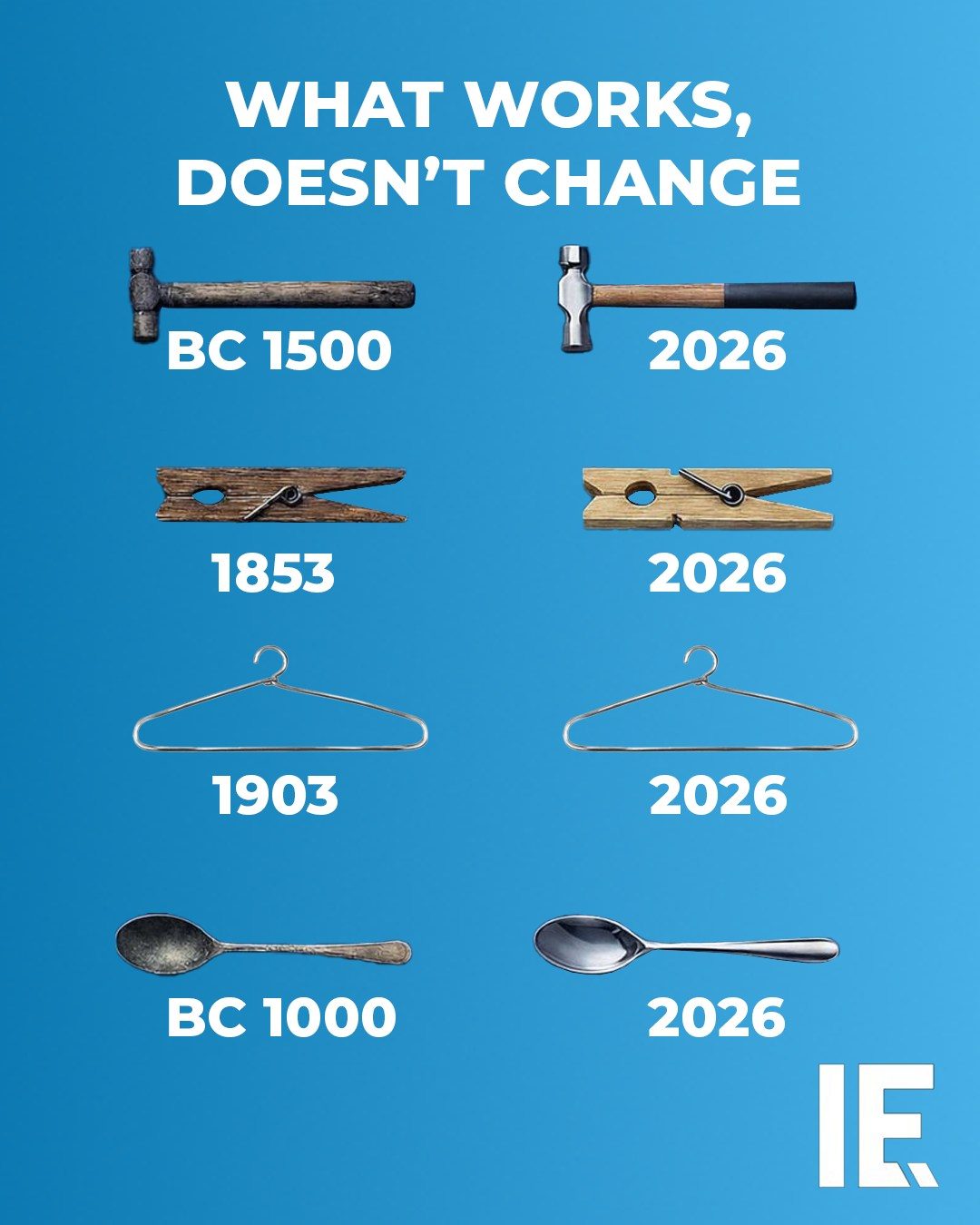
Evolution of Everyday Objects
Household items have evolved significantly over the centuries, yet their core functionality remains largely unchanged. This enduring design efficiency is a testament to the ingenuity of these objects’ original creators. Let’s explore the evolution of some everyday household items and understand why their design has stood the test of time.
Context / Why this matters
Understanding the history of these objects can provide insight into their continued relevance and durability. By examining the progression of design and materials, we can appreciate the ingenuity of early inventors and the timeless nature of effective design. This journey through time showcases the longevity and efficiency of simple yet essential tools and utensils that have been integral to human life for millennia.
Main discussion
Hammers
The hammer is one of the most essential tools in any household. From the historical version dating back to around 1500 BC to its modern counterpart, the core design has remained remarkably consistent. The primary function—driving nails—has not changed, showcasing a perfect solution to a fundamental problem. The material and craftsmanship have evolved, but the underlying utility remains the same.
Clothespins
Clothespins have also been a staple in households for centuries. From ancient versions to modern designs, the basic form and function have not changed significantly. The purpose of hanging clothes to dry is effectively accomplished by the simple mechanism of a clothespin. Whether made of wood or plastic, the design remains efficient and reliable for this specific task.
Hangers
Hangers, another essential item, have also seen a similar evolution. From the earliest designs to the modern versions, the core function of supporting clothes remains unchanged. The primary design elements such as hooks and bars have been refined for better durability and aesthetics, but the fundamental purpose remains consistent.
Spoons
Spoons are a simple yet indispensable tool in any kitchen. From the earliest spooful designs to the current sleek and ergonomic ones, their primary function of scooping and stirring remains unaltered. The material, shape, and size may have evolved, but the essential purpose has stayed the same. This consistency highlights the efficiency of the original design.
Practical tips
When considering everyday household items, it's important to look at their functionality and durability. Here are some practical tips for choosing and maintaining these essential tools:
- Choose Timeless Designs: Opt for items with a proven design history. Time-tested tools and utensils are often a safe bet for longevity and reliability.
- Material Matters: Although the core design may remain the same, the choice of material can significantly affect the lifespan and performance of an item. For example, wooden hammers may have been the standard in the past, but modern materials like metal or high-grade alloys can offer better durability and less wear.
- Maintenance is Key: Regular cleaning and upkeep can extend the life of household items. For instance, storing a hammer in a dry place can prevent rust and prolong its usability.
- Versatility: Some items, like clothespins, have multiple uses beyond their primary function. Look for versatile items that can serve different purposes, reducing clutter and enhancing utility.
- Eco-Friendly Options: With a growing emphasis on sustainability, choosing eco-friendly materials and designs can also be a practical and responsible choice. Many modern household items are now made from recycled or biodegradable materials.
Important takeaways
The evolution of household items highlights the enduring functionality and timeless design of these essential tools. While materials and aesthetics may have evolved, the core purpose of these items remains unchanged, demonstrating the perfection of their original solutions. Understanding this can help us appreciate the value of timeless design and the ingenuity of past inventors. This insight can guide our choices in selecting durable, functional, and eco-friendly household items.
Conclusion
The journey through the evolution of household items from ancient times to the present day reveals a fascinating story of durability and functionality. From hammers and clothespins to hangers and spoons, these items have stood the test of time, proving that effective solutions don't always need to be reinvented. By appreciating the timeless design of these tools, we can make more informed choices and ensure that our household items serve us well for years to come.
Watch the Reel
Questions readers ask
How have household items like hammers and clothespins maintained their core functionality over centuries?
Household items like hammers and clothespins have maintained their core functionality through centuries by adhering to simple, effective designs that solve fundamental problems. The timeless utility of these items lies in their ability to perform basic tasks efficiently, which has not changed despite advancements in materials and manufacturing processes.
What can we learn from the evolution of everyday tools and utensils?
Examining the evolution of everyday tools and utensils reveals the ingenuity of early inventors and the timeless nature of effective design. By understanding how these items have changed over time, we gain insights into the durability and relevance of simple, problem-solving solutions.
Which household items have seen the most significant design changes and why?
Even though many household items have maintained their core functionality, some have seen significant design changes due to advancements in materials and technology. For example, hangers have evolved from simple wooden shapes to more ergonomic and versatile designs, often incorporating modern materials like plastic and metal alloys.
How have advancements in materials impacted the design of household items?
Advancements in materials have allowed for improvements in durability, weight, and functionality of household items. For instance, modern clothespins are often made from lightweight, weather-resistant plastics, rather than wood, enhancing their longevity and effectiveness. The introduction of new materials can also improve safety and user comfort.
What makes the design of timeless household items so effective?
The design of timeless household items is effective due to their simplicity and direct approach to solving everyday problems. These designs have been refined over centuries, ensuring they are intuitive to use and highly functional. Their enduring relevance highlights the importance of straightforward, user-centric design principles.
Are there any specific periods in history that marked significant changes in household item design?
The late 19th and early 20th centuries were pivotal in household item design, marked by the Industrial Revolution. This period introduced new manufacturing techniques and materials, leading to mass production and widespread availability of items like hangers and clothespins. These changes significantly impacted the design, quality, and accessibility of household items for the average person.
Why is it important to study the history of household item design?
Studying the history of household item design offers valuable insights into human ingenuity and the evolution of problem-solving techniques. By examining how these items have changed, we can appreciate the timeless utility of effective design and the role of continuous improvement in modern innovation.
Related deep dives
Similar reads based on topic and creator.


Recent articles
Fresh deep dives from the latest Reels we unpacked.




Comments
Be the first to comment.