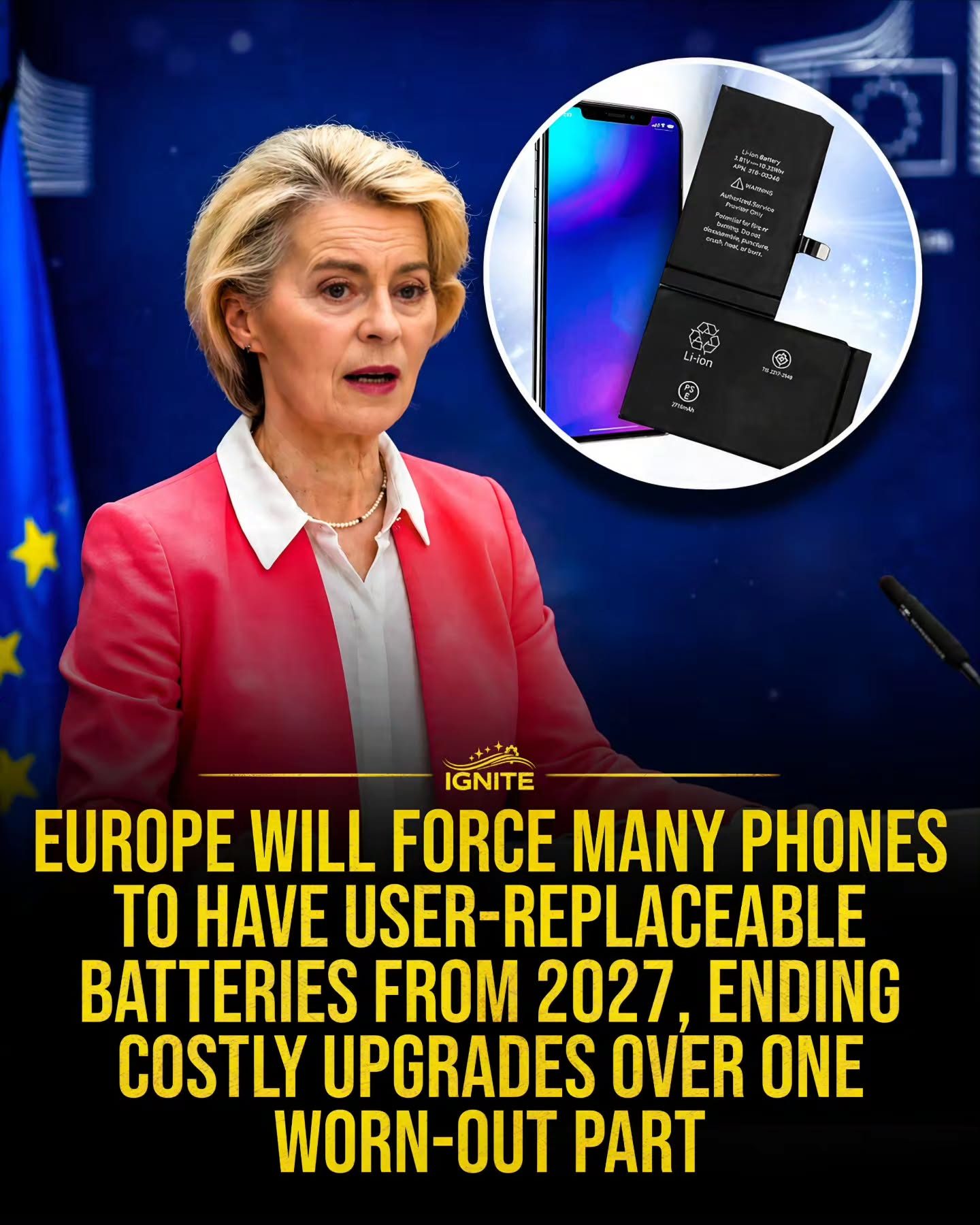
Battery Replacement Policy
What is the EU's New Battery Policy?
From 2027, Europe will require all mobile phones to have user-replaceable batteries. The new policy aims to eliminate the need for costly phone upgrades due to battery issues. This shift is designed to extend the lifespan of mobile devices, reduce e-waste, and provide consumers with more control over their devices' maintenance.
Why This Matters
The EU's decision to mandate user-replaceable batteries is a significant step towards sustainability and consumer empowerment. Here's why this matters:
Extending Device Lifespan
Mobile phone batteries typically degrade over time, leading to reduced performance and shorter usage times. Currently, many users replace their entire phones due to battery issues, contributing to a significant amount of electronic waste. By allowing users to replace batteries themselves, devices can last longer, reducing the demand for new phones and the associated environmental impact.
Reducing E-Waste
Electronic waste is a growing global problem, with millions of tons of discarded devices ending up in landfills each year. By extending the lifespan of mobile phones, the EU's policy can help reduce e-waste and promote a more circular economy.
Consumer Empowerment
Giving users the ability to replace their phone batteries is a significant step towards consumer empowerment. Instead of being forced to upgrade or replace devices due to battery issues, users will have more control over their device's maintenance and repair. This can lead to cost savings and a more personalized user experience.
Main Discussion
The Current Battery Landscape
Mobile phone batteries, typically lithium-ion (Li-ion), are designed to be durable, but their capacity diminishes over time. Factors such as frequent charging, extreme temperatures, and age can degrade a battery's performance. Currently, many phone manufacturers design their devices with non-replaceable batteries, making it difficult for users to extend the life of their devices without professional repairs.
The EU's Regulatory Push
The EU's new policy is part of a broader regulatory push to make electronic devices more sustainable and repair-friendly. Previous regulations have aimed to improve the energy efficiency of devices and make them more durable. The focus on user-replaceable batteries is an extension of these efforts, targeting the specific issue of battery degradation and e-waste.
Implications for Manufacturers
The policy will require manufacturers to design their devices with user-replaceable batteries, which could impact device aesthetics, functionality, and cost. Manufacturers will need to update their designs and potentially invest in new manufacturing processes. However, this change could also open up new opportunities for accessory markets and aftermarket support services.
Impact on Consumers
For consumers, the ability to replace their phone batteries will mean longer-lasting devices, potential cost savings, and a more sustainable approach to electronic device usage. However, it may also require users to invest in the necessary tools and replacement batteries, as well as to gain the confidence and skills to perform the replacement themselves.
Practical Tips
Preparing for the Change
If you're in Europe, you might be wondering how to prepare for this change. Here are some practical tips to get started:
Checking Your Phone's Battery Health
Before 2027, it’s a good idea to check your phone's battery health. Many devices have built-in tools to monitor battery performance, or you can use third-party apps. This will help you gauge whether your battery needs replacing and if your phone will be affected by the new policy.
Understanding Your Device
Become familiar with your phone's design and any user-replaceable components. This will make it easier to perform future repairs and upgrades. Manufacturers may also provide guides or support for users looking to replace their batteries.
Investing in Tools
Get the right tools for the job. Tools for replacing phone batteries can be as simple as a precision screwdriver or more complex, depending on your device. Many online retailers offer repair kits specifically designed for popular phone models.
Finding Reliable Batteries
When it comes time to replace your battery, find a reliable source for replacement parts. Look for reputable manufacturers and check reviews to ensure the batteries are of high quality and compatible with your device.
Leaning on Community Support
Join online communities or forums where users share their experiences with phone repairs. These platforms can be invaluable for troubleshooting, finding parts, and learning best practices for maintaining and repairing your phone.
Important Takeaways
Long-Term Benefits
The EU's policy on user-replaceable batteries offers long-term benefits for both consumers and the environment. By extending the lifespan of mobile devices, users can save money, reduce e-waste, and contribute to a more sustainable electronic industry.
The Transition
The transition to user-replaceable batteries will require adjustments from both manufacturers and consumers. Manufacturers will need to adapt their designs, and consumers will need to gain the skills and tools necessary to perform replacements. However, the benefits in terms of sustainability and cost savings make this a worthwhile change.
Conclusion
The EU's decision to mandate user-replaceable batteries in mobile phones is a significant step towards sustainability and consumer empowerment. By extending the lifespan of devices, reducing e-waste, and giving users more control over their devices' maintenance, this policy can lead to a more sustainable and cost-effective approach to mobile technology.
As the policy takes effect in 2027, both manufacturers and consumers will need to prepare for the changes ahead. Manufacturers will need to adapt their designs, and users will need to gain the skills and tools necessary to perform replacements. However, the long-term benefits of this policy make it a worthwhile endeavor for both parties.
Watch the Reel
Questions readers ask
When does the European mandate for user-replaceable phone batteries take effect?
The European mandate requiring user-replaceable batteries in all mobile phones will take effect from 2027 onwards.
Why is Europe mandating user-replaceable batteries in mobile phones?
Europe aims to reduce electronic waste (e-waste), extend the lifespan of mobile devices, and empower consumers to maintain their devices independently by mandating user-replaceable batteries.
What are replaceable phone batteries?
Replaceable phone batteries are batteries that users can easily remove and replace themselves, instead of needing to send the phone to a technician or replace the entire device.
How does the European phone mandate in 2027 support sustainable phone use?
By enabling user-replaceable batteries, the 2027 mandate helps reduce e-waste by allowing users to replace batteries rather than dispose of entire devices. This encourages a more sustainable approach to phone usage and maintenance.
Will the european phone regulation in 2027 make phone repairs more cost-effective?
Yes, the regulation will make phone repairs more cost-effective by allowing users to replace batteries themselves, reducing the need for costly professional repairs or device replacements.
What is the impact of the european phone mandate 2027 on phone lifespan?
The mandate aims to extend the lifespan of mobile devices by allowing users to replace worn-out batteries, rather than having to upgrade to new phones due to battery degradation.
How does the 2027 mandate differ from current practices?
Currently, many users replace their entire mobile phones when the battery degrades. The 2027 mandate will allow users to replace the batteries themselves, promoting more sustainable and cost-effective maintenance practices.
Related deep dives
Similar reads based on topic and creator.




Recent articles
Fresh deep dives from the latest Reels we unpacked.




Comments
Be the first to comment.