Extreme Weather Convergence in Europe
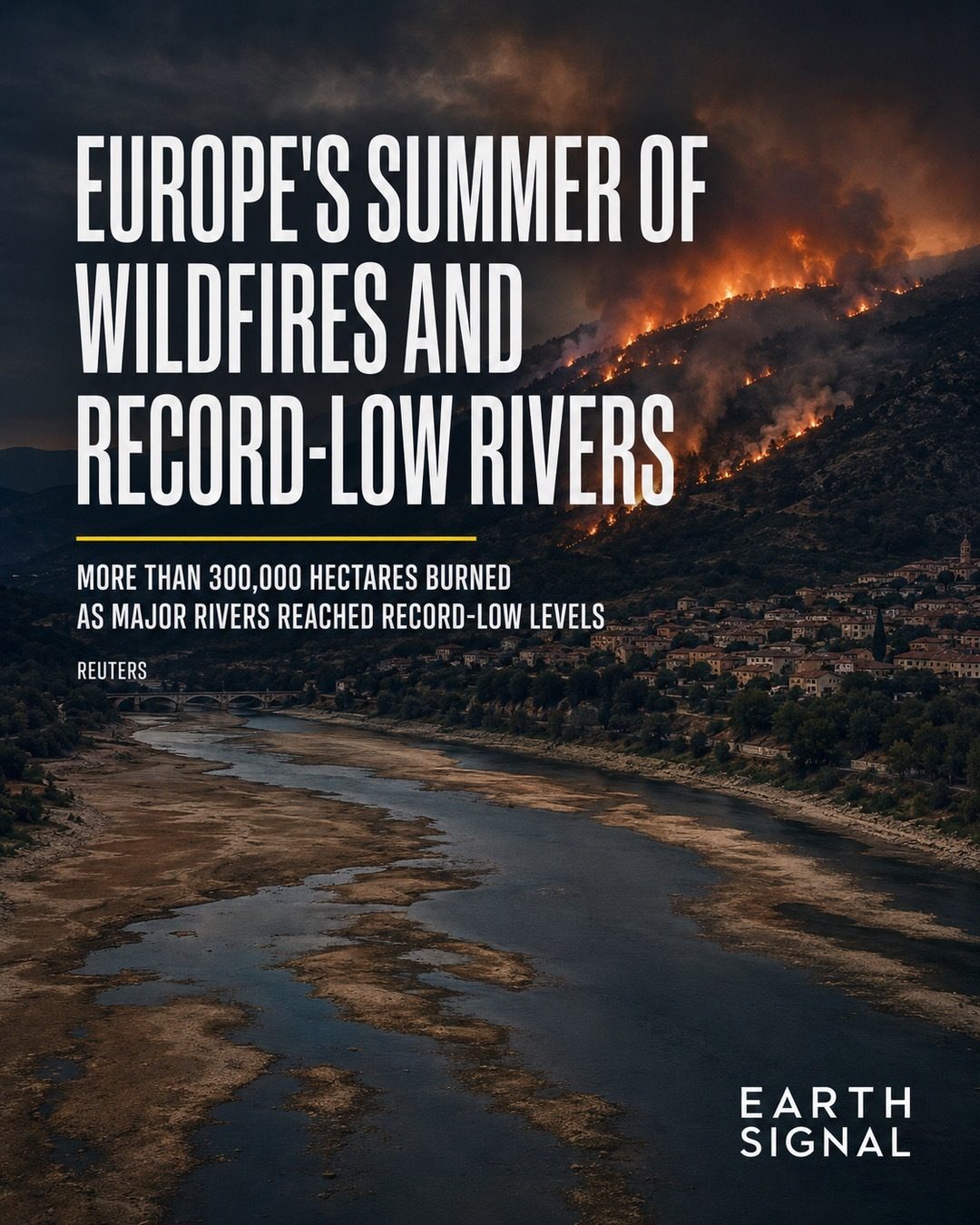
Europe has witnessed an unprecedented convergence of extreme weather events: wildfires and record-low river levels. These developments have resurfaced heavy questions and controversies around climate change. There’s no clear directive that directly connects these strange pairing of weather events, yet the visual evidence is hard to ignore. Though visuals can only tell the story of that moment, the juxtaposition of the fiery and the dry is striking. Video journalism from Earth Signal has put these two struggles side-by-side. While it is not statistically correlated, the combination draws significant attention. The immediate cause of the wildfires remains under investigation. However, it is clear that the extreme weather conditions are contributing factors. The scale of the fires is astounding: over 300,000 hectares of land have burned. This figure is stark, and inherent dangers of wildfire will only escalate. Regardless of their cause, these fires are reshaping the landscapes across Europe and leaving a lasting footprint on the continent's geography. The fires' impact extends beyond the immediate destruction of land. The smoke and ash generated by the extensive wildfires can have severe air-quality effects. Additionally, the destruction of forests and vegetation can lead to increased soil erosion and loss of biodiversity. The ecological impact of such vast burns could extend for generations.
Water Levels at a Crisis
Responsible environmental sources highlight that the combination of low water levels and wildfires is a double-edged sword. The drying of rivers exacerbates the severity of wildfires while the fires contribute to degraded river health — and exacerbate the cycle. Water scarcity is a growing concern. As the climate continues to change, the availability of water is becoming increasingly unpredictable. The weather-related shifts lead to severe droughts, which in turn reduce river levels. For instance, the Rhine and Danube rivers are at critically low levels, impacting shipping, agriculture, and energy production. You can see the magnitude of river levels in the dry riverbed featured on Earth Signal. The convergence of drought and wildfires emphasizes the need to prioritize water management strategies. This includes improving water storage and distribution systems, conserving water, and preserving wetlands, forests. These ecosystems act as natural water reserves and help regulate water flow, mitigating the impact of droughts.
Watch the Reel
Related deep dives
Similar reads based on topic and creator.



Recent articles
Fresh deep dives from the latest Reels we unpacked.

Comments
Be the first to comment.