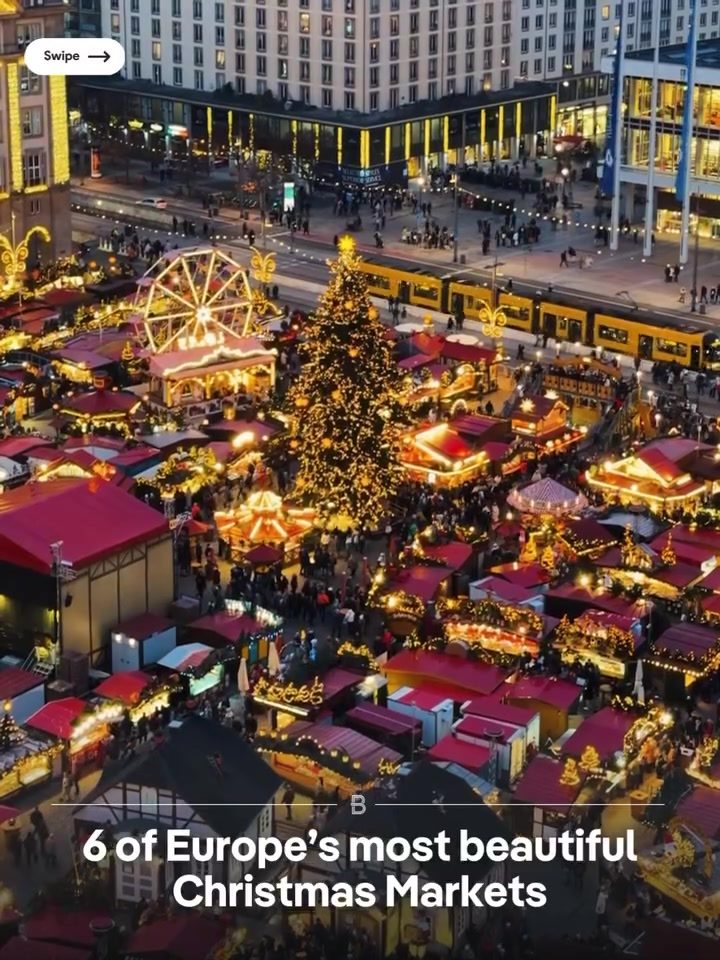
European Christmas Markets
The Christmas markets of Europe are iconic, each offering a unique blend of tradition, festivity, and charm. From the enchanting medieval streets of Rothenburg ob der Tauber to the historic markets of Dresden, these destinations are nothing short of magical. Let's explore the six standout markets highlighted by wherejesstravels, to discover what makes each one special.
Why This Matters
Christmas markets are more than just seasonal attractions; they are cultural experiences that reflect the heritage and traditions of their respective regions. They offer a glimpse into local customs, cuisine, and crafts, providing an immersive travel experience that can't be replicated elsewhere. For those planning a festive getaway or simply dreaming of a Christmas market adventure, knowing the distinctive features of each market can help tailor the perfect trip.
Rothenburg ob der Tauber, Germany
Nestled in the heart of Germany, Rothenberg ob der Tauber is a town that exudes Christmas spirit year-round. Its well-preserved medieval architecture, with half-timbered houses and lantern-lit streets, sets the stage for a market that feels like it's straight out of a fairytale. The Christmas market here is a must-visit for its authentic charm and enchanting atmosphere.
Atmosphere and Ambiance
The town's narrow, cobblestone alleys, adorned with twinkling lights and holiday decorations, create a cozy and inviting environment. The market stalls offer a variety of traditional German treats, handmade ornaments, and unique gifts. The scent of roasted nuts, gingerbread, and mulled wine fills the air, adding to the sensory experience. The market's central location and the town's compact size make it easy to explore on foot, allowing visitors to soak in the full festive experience.
Unique Features
One of the standout features of the Rothenburg ob der Tauber Christmas market is the Reiterlesmarkt, a traditional market that includes a live nativity scene and a parade of horses and carriages. This event, which takes place on the first weekend in December, is a highlight of the holiday season in the town. Additionally, the market features a large Christmas pyramid, a traditional German decoration that adds to the festive display. The town’s Kriminalmuseum (Criminal Museum) also offers a unique historical perspective, showcasing the dark side of medieval justice.
Prague, Czech Republic
Prague's Old Town Square transforms into a winter wonderland during the Christmas season. The towering trees, Gothic spires, and festive decorations create a backdrop that is both majestic and enchanting. The market's stalls, filled with traditional Czech treats and warm mulled wine, complete the experience.
Atmosphere and Ambiance
The Prague Christmas market is renowned for its festive atmosphere, with carols filling the air and the scent of roasted chestnuts and spiced wine wafting through the square. The market's central location in the heart of Prague's Old Town makes it accessible and convenient to visit. The market features a large Advent Calendar, which is a popular attraction for both locals and tourists. The calendar, located at the Old Town Square, is a giant, interactive display that counts down the days until Christmas.
Unique Features
Prague's Christmas markets are known for their unique Czech treats, such as trdlo, a sweet pastry, and svařeky, a type of traditional Czech sausage. Additionally, the market’s Czech Nativity Scene is a traditional display featuring beautiful, handcrafted figures. Visitors can also enjoy performances by local musicians and choirs, adding to the festive mood. The market’s Giant Christmas Pyramid is another highlight, a towering structure that serves as a symbol of the Czech Republic’s festive traditions.
Bremen, Germany
Set around the charming Marktplatz and riverfront, Bremen's Christmas market offers a blend of classic German charm and a cozy maritime atmosphere. The historic backdrop, with its impressive town hall and beautiful architecture, provides a picturesque setting for the festive celebrations.
Atmosphere and Ambiance
The market's location near the Weser River adds a maritime vibe, with the lights of the market reflecting off the water. The market is known for its Bremer Marktplatz, a central square that offers a variety of stalls selling local crafts, traditional German food, and festive decorations. The market's atmosphere is lively, with live music, carolers, and street performers adding to the festive spirit. The market's central location makes it easy to explore the city's other attractions, such as the Bremen Town Hall and the St. Peter's Cathedral.
Unique Features
One of the unique features of the Bremen Christmas market is the Bremer Stadtmusikanten, a giant sculpture of the famous donkey, dog, cat, and rooster from the Grimm Brothers' fairy tale. This sculpture serves as a popular photo spot and a symbol of the city. Additionally, the market offers a variety of traditional German dishes, such as Bratwurst, a type of sausage, and Stollen, a festive fruitcake.
Cologne, Germany
Cologne's Christmas markets are scattered across the city, with each market offering a unique experience. From the iconic Cathedral market to the charming markets around the Old Town, Cologne's festive spirit is palpable.
Atmosphere and Ambiance
The Cathedral market, set beneath the stunning Gothic spires of Cologne Cathedral, is one of the most famous. The lights, choirs, and festive energy create a magical atmosphere. The market's location in the heart of the city makes it easily accessible, and the nearby Hohe Straße offers a variety of shopping and dining options. The market's atmosphere is lively, with the sound of Christmas carols and traditional German music filling the air.
Unique Features
One of the unique features of the Cologne Christmas market is the Riesenrad, a large Ferris wheel located at the market. The wheel offers visitors a bird's-eye view of the city and its festive lights. Additionally, the market features a variety of local delicacies, such as Kölsch, a traditional German beer, and Hähnchen, a type of roasted chicken. Visitors can also enjoy performances by local musicians and choirs, adding to the festive mood.
Frankfurt, Germany
Frankfurt's Christmas market, known as the Weihnachtmarkt, is one of Germany's oldest and most traditional. Set in the heart of the city, the market features the Römerberg, a beautifully reconstructed medieval square that glows with festive lights and decorations.
Atmosphere and Ambiance
The market's central location in the Römerberg makes it a popular gathering spot for locals and tourists alike. The market is known for its traditional German stalls, offering a variety of local crafts, festive decorations, and delicious food. The market's atmosphere is cozy and inviting, with the sound of Christmas carols and traditional German music filling the air. The market features a variety of entertainment options, including live music and performances by local choirs.
Unique Features
One of the unique features of the Frankfurt Christmas market is the Adventskalender, a giant Advent calendar that counts down the days until Christmas. Visitors can also enjoy a variety of traditional German treats, such as Apfelwein, a type of apple wine, and Lebkuchen, a type of gingerbread. Additionally, the market features a large Christmas Pyramid, a traditional German decoration that adds to the festive display.
Dresden, Germany
Dresden's Christmas market, known as the Striezelmarkt, is one of the world's oldest and most famous. Dating back to the 1400s, this market is renowned for its deep-rooted traditions and giant Stollen, a traditional German fruitcake.
Atmosphere and Ambience
The market's central location in the Altstadt, or Old Town, makes it easily accessible. The market is known for its traditional German stalls, offering a variety of local crafts, festive decorations, and delicious food. The market's atmosphere is cozy and inviting, with the sound of Christmas carols and traditional German music filling the air. The market features a variety of entertainment options, including live music and performances by local choirs.
Additionally, the Christmas Market at Frauenkirche offers a beautiful setting, with the historic church serving as a backdrop for the festivities. The Frauenkirche, or Church of Our Lady, is one of the most iconic landmarks in Dresden, and the market adds a festive touch to its already impressive facade. The market, which is located in the heart of the city, is easily accessible and offers a variety of traditional German treats, such as Glühwein, a type of mulled wine, and Stollen, a festive fruitcake.
Unique Features
One of the unique features of the Striezelmarkt is the Stollenfest, an annual event celebrating the market's famous fruitcake. The festival features a variety of activities, including a Stollen-cutting ceremony, where a giant Stollen is cut by the mayor and distributed to the crowd. The festival, which takes place on the first weekend in December, is a popular event and attracts visitors from around the world. Additionally, the market features the world's largest Christmas nutcracker, a towering figure that adds a festive touch to the market's decor.
Practical Tips
Planning a trip to one or more of these Christmas markets requires a bit of preparation. Here are some practical tips to help you make the most of your visit:
When to Go
The best time to visit is typically during the first or second weekend of December, when the markets are in full swing and the festive atmosphere is at its peak. However, keep in mind that these times can be very crowded, so if you prefer a more relaxed experience, consider visiting on a weekday or early in the season.
What to Wear
Dress in layers, as the weather can be quite chilly. Comfortable, waterproof shoes are a must, as you'll likely be walking on cobblestone streets and may encounter snow or slush. Don't forget to bring a hat, gloves, and a scarf to stay warm.
What to Bring
Bring a reusable shopping bag for your purchases, as many stalls will have reusable bags or boxes. Carry a small backpack for essentials like a water bottle, snacks, and a portable charger. If you plan on taking a lot of photos, bring an extra battery or a portable charger for your camera or smartphone. Additionally, bring a camera or smartphone for capturing the beautiful scenery and festive decorations.
How to Get Around
Most of these Christmas markets are centrally located and easily accessible by public transportation. Consider purchasing a multi-day pass for buses, trams, and trains to save money and time. Many cities also offer special Christmas market tours, which can be a convenient and informative way to explore the markets.
Where to Stay
Choose accommodation in the city center or near the market for easy access. Consider staying in a hotel, bed and breakfast, or Airbnb within walking distance of the market to fully immerse yourself in the festive atmosphere. Many accommodations offer special Christmas packages, including festive decorations and seasonal treats.
Important Takeaways
European Christmas markets offer a unique blend of tradition, festivity, and charm. Each market has its own distinctive features, from the medieval charm of Rothenberg ob der Tauber to the historic traditions of Dresden. Visiting these markets provides an immersive experience in local culture, cuisine, and crafts, making it a memorable adventure for anyone seeking a festive getaway.
Highlights
- Rothenburg ob der Tauber offers a fairytale-like atmosphere with its well-preserved medieval architecture and enchanting market stalls.
- Prague transforms into a winter wonderland with its towering trees, Gothic spires, and traditional Czech treats.
- Bremen blends classic German charm with a cozy maritime vibe, offering a unique festive experience.
- Cologne features scattered markets with a variety of local delicacies and the iconic Cathedral market.
- Frankfurt holds one of Germany's oldest Christmas markets, known for its traditional stalls and festive atmosphere.
- Dresden is home to the world's oldest Christmas market, renowned for its deep-rooted traditions and giant Stollen.
Cultural Insights
Understanding the significance of each market can enhance your appreciation for the cultural heritage. The festive traditions, local crafts, and traditional dishes all contribute to the rich tapestry of European Christmas celebrations. Whether you're enjoying a steaming cup of mulled wine in Prague or savoring a slice of Stollen in Dresden, each experience is a window into the local culture and traditions.
Planning Your Visit
By planning ahead, dressing appropriately, and knowing what to expect, you can make the most of your trip. Consider the best times to visit, the local cuisine, and the unique attractions of each market to tailor your experience to your preferences. Whether you're a seasoned traveler or planning your first Christmas market adventure, these tips will help you create a memorable and enjoyable experience.
Conclusion
From the enchanting medieval streets of Rothenberg ob der Tauber to the historic traditions of Dresden, European Christmas markets offer a magical and immersive experience. Whether you're drawn to the festive atmosphere, the unique crafts, or the traditional delicacies, these markets provide a glimpse into the rich cultural heritage of Europe. By exploring these six standout markets, you can discover the true magic of the season and create memories that will last a lifetime.
Watch the Reel
Questions readers ask
Which European Christmas markets are known for their medieval charm?
Rothenburg ob der Tauber in Germany is renowned for its medieval charm. The Christmas market here is set against a backdrop of well-preserved 15th-century architecture, with the market stalls, traditional crafts, and festive lights creating a winter wonderland atmosphere. It's one of the most enchanting European Christmas markets.
What are the must-try foods at European Christmas markets?
Food is a highlight of the Christmas markets. Each market has its local specialties, such as Lebkuchen (gingerbread) and Glühwein (mulled wine) in Germany, or Chocolat Chaud (hot chocolate) in France. These treats are a must-try to enjoy the full festive experience.
How do European Christmas markets reflect local traditions?
European Christmas markets are a celebration of local heritage. Each market features unique crafts, foods, and traditions that reflect the region's culture. For example, the Dresden Christmas market showcases local Saxon crafts and Christmas customs, making it a distinctive and authentic experience.
What should I expect from the lights and decorations at European Christmas markets?
The Christmas market lights and decorations are a spectacle in themselves. Many markets use thousands of twinkling lights to create a magical atmosphere. The stalls are often decorated with evergreens, wreaths, and other festive adornments, transforming the entire city into a winter wonderland.
When is the best time to visit a European Christmas market?
The best time to visit a European Christmas market is typically from late November to late December. The exact dates can vary depending on the market. For the most authentic experience, plan to visit on a weekday or in the early evening to avoid peak times and crowds. Many markets are open daily, but some close early on December 24th.
Are there specific European Christmas markets known for their wine?
Yes, many European Christmas markets are known for their wine. In Germany, you can find Glühwein (mulled wine) at almost every market. In Austria, markets like the one in Vienna offer St. Nicholas in traditional wine tents. The wine served at these markets, often spiced and warm, is a cherished tradition that adds to the festive atmosphere.
Related deep dives
Similar reads based on topic and creator.



Recent articles
Fresh deep dives from the latest Reels we unpacked.




Comments
Be the first to comment.