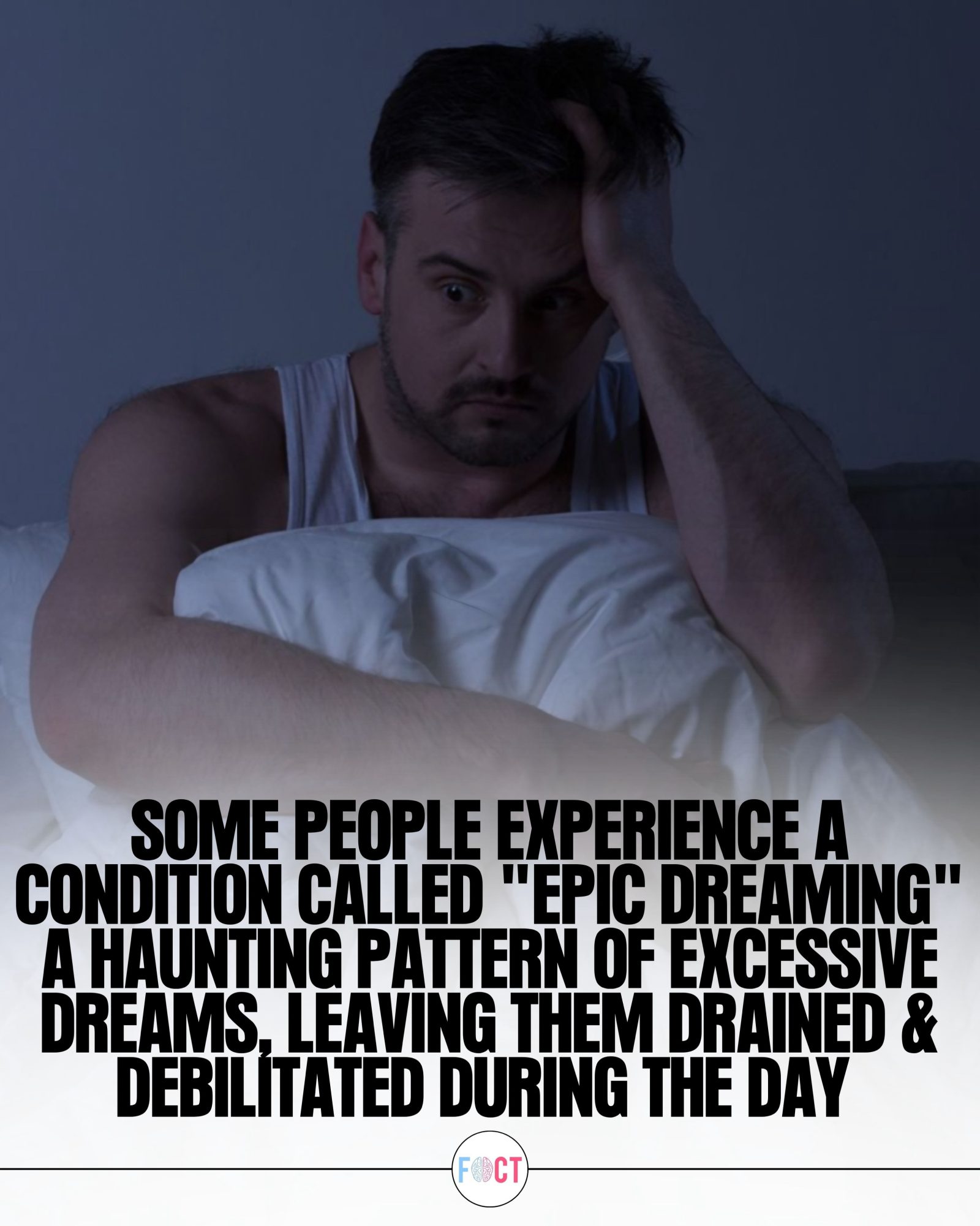
Epic Dreaming: The Intrusive Condition of Nonstop Dreams
Ever wondered why some people wake up feeling exhausted, even after a full night's sleep? It might not be due to the quantity of sleep, but the quality. Specifically, it could be a result of a condition called "epic dreaming,” where individuals experience an overwhelming flood of vivid, unrelenting dreams that leave them mentally and emotionally drained.
Why This Matters
Sleep is essential for the body and mind to rejuvenate. For those experiencing epic dreaming, the dreams are so intense and continuous that they don't feel rested, even after spending a full night in bed. This condition, also known as hyperonirism or "dream overflow," can have significant impacts on daily life, affecting mental clarity, emotional well-being, and productivity.
What is Epic Dreaming?
Epic dreaming is characterized by extremely vivid, continuous dreams that feel so real and intense they can leave individuals exhausted by morning. Individuals with this condition often report feeling mentally drained, emotionally overwhelmed, and foggy upon waking, even after spending a full night in bed. The dreams are not necessarily nightmares but are relentless, detailed, and emotionally consuming.
The condition, also known as hyperonirism or "dream overflow," was discovered through a new study from France. Participants described spending entire nights trapped in detailed dream worlds. One woman reported feeling as though her brain "never stops at night." Another man noted that his dreams were so realistic that he often struggled to differentiate them from actual memories.
Causes and Nature of Epic Dreaming
Researchers initially suspected that individuals with epic dreaming might spend too much time in REM sleep, the phase most associated with dreaming. However, sleep scans revealed that most patients actually had fairly normal REM sleep times. Instead, their sleep appeared more fragmented, with tiny interruptions called micro-awakenings happening throughout the night. These brief disruptions may make dreams easier to remember and create the feeling of dreaming continuously without rest.
The brain may also be processing dreams in an unusually intense way, making them feel more emotionally immersive and harder to mentally separate from waking life. This intense processing could explain why the dreams feel so real and consuming.
The Scientific Perspective
Scientists believe that the condition could offer rare insight into one of neuroscience’s biggest mysteries: how the brain decides what is real and what is only a dream. The fragmented sleep pattern and intense dream processing suggest that the brain is constantly on alert, unable to distinguish between dreams and reality.
Researchers found that treatments for anxiety and depression did not fully alleviate the problem, leading them to suspect that epic dreaming may be its own overlooked sleep disorder. This condition is distinct from other sleep disturbances and requires specific attention and research.
Impact on Daily Life
The continuous and vivid dreams can make it difficult for individuals to function during the day. They often wake up feeling mentally drained, foggy, and emotionally overwhelmed. This can affect their productivity, mood, and overall well-being. The condition can also impact their personal and professional relationships, as they may struggle to concentrate and engage fully in daily activities.
Practical Tips for Managing Epic Dreaming
While there is no definitive treatment for epic dreaming, there are several strategies that might help manage the symptoms:
-
Sleep Hygiene: Maintaining a consistent sleep schedule and creating a relaxing bedtime routine can help improve sleep quality. This includes avoiding screens before bed, creating a comfortable sleep environment, and establishing a calming pre-sleep routine.
-
Mindfulness and Relaxation Techniques: Practicing mindfulness, meditation, and deep breathing exercises can help reduce stress and promote better sleep. These techniques can also help individuals differentiate between dreams and reality, making it easier to manage the emotional impact of the dreams.
-
Cognitive Behavioral Therapy (CBT): Working with a therapist to address any underlying anxiety or stress can help manage the emotional burden of epic dreaming. CBT can also help individuals develop coping strategies to handle the vivid dreams and their emotional impact.
-
Journaling: Keeping a dream journal can help individuals track their dreams and identify any patterns or triggers. This can also provide valuable information to healthcare providers, aiding in the development of a personalized treatment plan.
-
Consult a Healthcare Professional: If epic dreaming is significantly impacting daily life, it is important to consult a healthcare professional. They can provide a thorough evaluation and develop a treatment plan tailored to the individual's needs.
Important Takeaways
Epic dreaming is a complex and often overlooked sleep disorder that can have a profound impact on an individual's daily life. The continuous and vivid dreams leave individuals feeling mentally and emotionally drained, affecting their productivity, mood, and overall well-being. While there is no definitive treatment, strategies such as maintaining good sleep hygiene, practicing mindfulness, and working with a therapist can help manage the symptoms. The condition offers valuable insights into how the brain processes dreams and distinguishes between reality and fantasy, making it a fascinating area for further research.
Conclusion
Epic dreaming highlights the intricate relationship between sleep, dreams, and mental health. Understanding this condition can help individuals better manage their sleep and improve their overall well-being. If you or someone you know is experiencing symptoms of epic dreaming, it is important to seek professional help and explore potential treatment options. By taking proactive steps and working with healthcare professionals, individuals can better navigate the challenges of epic dreaming and improve their quality of life.
Watch the Reel
Questions readers ask
What exactly is epic dreaming and how is it different from normal dreaming?
Epic dreaming, or hyperonirism, is characterized by an overwhelming number of vivid, emotionally intense dreams that occur throughout the night. Unlike normal dreaming, these dreams are relentless and leave individuals feeling exhausted, rather than rested, upon waking.
What are the main symptoms of epic dreaming?
The primary symptoms of epic dreaming include persistent fatigue upon waking, mental fogginess, and emotional exhaustion. Individuals may also experience a lack of energy and motivation throughout the day, making it difficult to perform everyday tasks.
Can chronic fatigue be caused by epic dreaming?
Yes, the constant cycle of intense dreams can lead to chronic fatigue. The brain doesn't get the rest it needs, which can result in prolonged feelings of tiredness, even after a full night's sleep.
How can I tell if my vivid nightly dreams are a sign of epic dreaming?
If your vivid dreams are frequent, emotionally intense, and leave you feeling drained rather than refreshed, you may be experiencing epic dreaming. Keep a dream journal to track your dreams and discuss your findings with a healthcare professional.
Can changes in sleep patterns influence epic dreaming?
While changes in sleep patterns can affect dream intensity, they are not the direct cause of epic dreaming. The condition is more likely due to the brain's inability to rest properly during sleep. However, maintaining good sleep habits can help manage symptoms.
What are the potential impacts of epic dreaming on daily life?
Epic dreaming can significantly impair daily functioning. It can lead to reduced mental clarity, emotional instability, and a lack of motivation, making it difficult to concentrate, work, and engage in social activities.
Are there any known treatments for epic dreaming?
Currently, there is no specific remedy for epic dreaming. However, managing stress, maintaining a consistent sleep schedule, and avoiding stimulants before bed can help. Always consult a healthcare provider for personalized advice.
Recent articles
Fresh deep dives from the latest Reels we unpacked.




Comments
Be the first to comment.