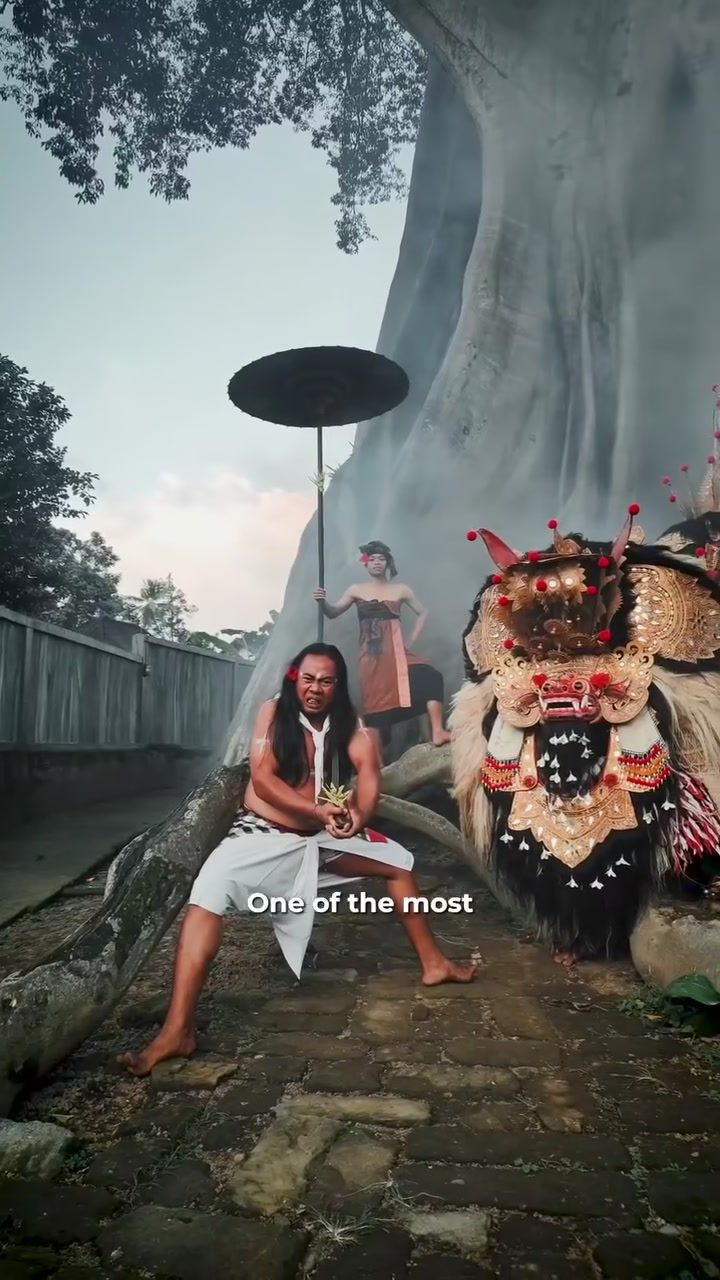
Balinese Barong Dance
One of the most captivating aspects of Balinese culture is the vibrant and energetic Barong Dance. This traditional performance is a visual feast, featuring elaborate costumes and dynamic choreography. The dance showcases the eternal battle between good and evil, with the lion-like Barong as the emblem of good and Rangda, a fearsome witch, as the embodiment of evil.
Context / Why this matters
The Barong Dance is more than just an entertaining spectacle; it is a deeply rooted tradition that holds significant cultural importance for the Balinese people. The performance serves as a vessel for preserving ancient traditions and fostering a sense of community. It is often performed during festivals and ceremonies, reinforcing its role in Balinese cultural heritage.
Main discussion
The Dance: A Tale of Good vs. Evil
The Barong Dance tells a compelling story of the eternal conflict between good and evil. The central characters are the Barong, a mythical lion-like creature, and Rangda, a demon queen. The dance depicts the struggle between these two forces, with the Barong representing goodness, protection, and the forces of light. In contrast, Rangda symbolizes chaos, destruction, and the darker aspects of human nature.
The Barong: A Symbol of Goodness
The Barong is a majestic creature, often depicted with a lion-like head and adorned with intricate, colorful decorations. The performers wear elaborate costumes, including an intricate mount that can weigh up to 4kg, showcasing the craftsmanship and artistry that goes into these traditional garments. The choreography of the Barong is a beautiful display of grace and energy, synchronized with the rhythmic sounds of gamelan music. This synchronization creates a harmonious blend of visual and auditory elements, enhancing the overall experience.
Rangda: The Embodiment of Evil
Rangda is the antithesis of the Barong, representing the dark and destructive forces. She is often depicted with a hideous mask and long, flowing hair, symbolizing her malevolent nature. Her dance movements are sharp and aggressive, contrasting with the fluid and graceful movements of the Barong. The duality between these two characters adds depth to the performance, highlighting the struggle between good and evil that is central to Balinese beliefs.
The Role of Gamelan Music
Gamelan music plays a crucial role in the Barong Dance. The music is performed by a traditional ensemble that includes various percussion instruments, such as metallophones, xylophones, and drums. The rhythmic and melodic patterns of gamelan music not only accompany the dancers but also guide their movements, creating a seamless integration of sound and motion. The music serves as the heartbeat of the performance, driving the narrative and enhancing the emotional impact.
Cultural Significance
The Barong Dance is deeply intertwined with Bali’s cultural heritage. It is often performed during festivals and ceremonies, such as the Galungan and Saraswati celebrations. These events are significant milestones in the Balinese calendar, marking important religious and cultural occasions. The dance serves as a way to honor ancestral spirits, seek blessings, and ensure the continuation of ancient traditions. It brings communities together, fostering a sense of unity and collective identity.
Costumes and Artistry
The costumes worn by the performers are a testament to the artistry and craftsmanship of Balinese culture. The intricate designs and vibrant colors of the costumes reflect the rich cultural heritage of Bali. Each costume is meticulously crafted, often taking days or even weeks to complete. The elaborate headdresses, masks, and ornate decorations add to the visual spectacle, making the dance a feast for the eyes.
Practical tips
If you’re planning a visit to Bali and want to experience the Barong Dance, here are some practical tips:
-
Choose the Right Location: The dance is performed year-round in cultural hotspots like Ubud and Batubulan Village. Both locations offer unique settings and experiences, so choose the one that best fits your itinerary.
-
Attend a Festival: For a more immersive experience, try to attend a festival where the Barong Dance is performed. Festivals like Galungan and Saraswati offer a rich cultural backdrop, allowing you to witness the dance in its full context.
-
Dress Appropriately: Respect local customs by dressing modestly. Comfortable clothing and footwear are recommended, as you may be standing or sitting for extended periods.
-
Arrive Early: Arriving early ensures you get a good seat and have time to explore the surrounding area. Many performance venues are located in culturally significant sites, offering additional opportunities to learn about Balinese history and culture.
-
Engage with Locals: Interaction with locals can enhance your experience. Feel free to ask questions, take photos, and learn more about the significance of the dance from the people who perform and cherish it.
Important takeaways
The Barong Dance is a mesmerizing cultural experience that offers a glimpse into the rich heritage of Bali. It tells a timeless story of the struggle between good and evil, using vibrant costumes, dynamic choreography, and the enchanting sounds of gamelan music. The dance holds deep cultural significance, serving as a way to preserve ancient traditions and bring communities together. Whether you are a cultural enthusiast or a curious traveler, the Barong Dance is a must-see experience that will leave you with lasting memories.
Conclusion
The Barong Dance is a vibrant and captivating performance that embodies the essence of Balinese culture. From the intricate costumes to the dynamic choreography, every element of the dance is a testament to the artistry and cultural richness of Bali. Whether you’re a first-time visitor or a seasoned traveler, experiencing the Barong Dance is an unforgettable journey into the heart of Balinese tradition.
Watch the Reel
Questions readers ask
What is the significance of the Barong and Rangda characters in the Balinese Barong Dance?
The Barong, a lion-like figure, represents good, while Rangda, a fearsome witch, embodies evil. Their eternal battle is a central theme in the dance, symbolizing the ongoing struggle between light and darkness in the universe. This duality is a key aspect of Balinese culture and spirituality.
Where can I witness a Balinese Barong Dance performance?
The Barong Dance is frequently performed in various locations across Bali, particularly during festivals and ceremonies. Popular venues include temples, cultural centers, and even some hotels that cater to tourists. It's a good idea to check local schedules or consult with a tour guide for the most up-to-date information.
What makes the costumes in the Balinese Barong Dance so special?
The costumes in the Barong Dance are intricate and vibrant, often featuring colorful fabrics, elaborate designs, and dynamic movements. The Barong costume, in particular, is a masterpiece of Balinese craftsmanship, complete with a lion-like headpiece and flowing mane, which adds to the overall visual spectacle of the performance.
Are there specific occasions when the Balinese Barong Dance is performed?
Yes, the Barong Dance is typically performed during significant cultural events and festivals. These performances often coincide with temple anniversaries, village celebrations, and other important ceremonies. This helps maintain the dance's relevance and its role in Balinese communal life.
How does the Balinese Barong Dance contribute to the preservation of Balinese culture?
The Barong Dance serves as a vessel for preserving ancient traditions and fostering a sense of community. Each performance is both a display of artistic talent and a means of passing down cultural heritage from one generation to the next. By keeping these traditions alive, the Balinese people ensure their cultural legacy remains vibrant and meaningful.
Related deep dives
Similar reads based on topic and creator.




Recent articles
Fresh deep dives from the latest Reels we unpacked.




Comments
Be the first to comment.