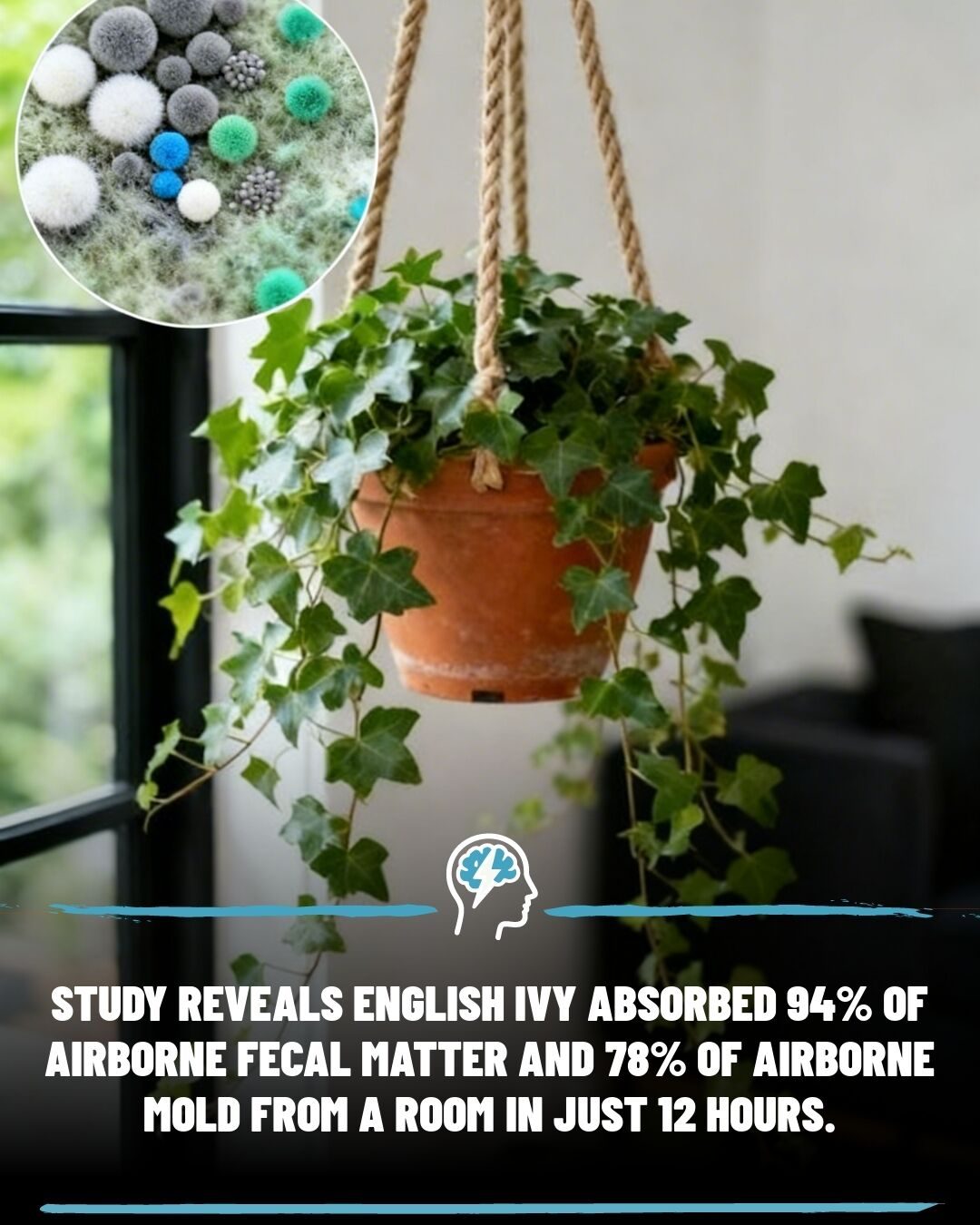
English Ivy Air Purification
English ivy, a common houseplant, is more than just a decorative addition to your space—it's also a natural air purifier. Recent studies have shown that this trailing plant can significantly reduce airborne mold spores and other indoor pollutants. English ivy's air-purifying capabilities make it a valuable addition to any home or office.
Why This Matters
Indoor air quality is a critical aspect of overall health and well-being. Many people are unaware of the pollutants that can accumulate indoors, such as mold spores and fecal particles. English ivy offers a natural solution to help mitigate these issues, providing both aesthetic and functional benefits.
Understanding English Ivy's Air-Purifying Abilities
Airborne Contaminants and English Ivy
English ivy's broad leaves play a crucial role in absorbing airborne contaminants. Through natural biological processes, the plant continuously absorbs particles from the surrounding air. This process involves the plant metabolizing and breaking down harmful substances as part of its normal respiration cycle. This mechanism makes English ivy an effective air purifier, capable of removing up to 78% of airborne mold and 94% of airborne fecal particles within just 12 hours, according to controlled laboratory studies.
Natural Compounds in Ivy
One of the key factors contributing to English ivy's air-cleaning abilities is the presence of natural compounds called saponins. These compounds have antibacterial and antifungal properties, which help in neutralizing harmful substances in the air. Saponins are found in various plants and have been used in traditional medicine for their cleansing and purifying effects.
Comparative Effectiveness
It is important to note that while English ivy can help improve indoor air quality, it should not be considered a replacement for proper ventilation or addressing actual pollution sources. A 2019 analysis from Drexel University revealed that in actual homes and offices, natural air circulation and ventilation systems dilute pollutants faster than plants can extract them. This means that while English ivy can offer modest air quality benefits, it is not a standalone solution for maintaining clean air.
Practical Tips for Maximizing Air Quality with English Ivy
Placement and Care
To maximize the air-purifying benefits of English ivy, place the plant in areas where air circulation is good. This could be near windows or in rooms with frequent airflow. Ensure the plant receives adequate sunlight and water, as healthy plants are more effective at purifying the air.
Combining with Other Methods
Use English ivy as part of a comprehensive air quality strategy. Combine it with regular cleaning, proper ventilation, and the use of air purifiers. This multi-faceted approach will help maintain a healthier indoor environment.
Managing Expectations
While English ivy can help improve air quality, it is essential to manage expectations. A few pots of ivy won't transform a musty basement into a clean room. Results can vary based on room size, ventilation, and plant health. Enjoy English ivy for its aesthetic appeal and modest air quality benefits.
Important Takeaways
English ivy is a valuable addition to any space, offering both aesthetic and air-purifying benefits. Its natural ability to absorb airborne contaminants makes it a useful tool for improving indoor air quality. However, it should be used in conjunction with proper ventilation and other air quality measures for the best results.
Conclusion
English ivy is more than just a decorative plant—it's a natural air purifier that can help reduce airborne mold spores and other indoor pollutants. By understanding and utilizing its air-purifying capabilities, you can enhance the indoor air quality of your home or office. Combine English ivy with other air quality strategies for the best results, and enjoy the plant's aesthetic and functional benefits.
Watch the Reel
Questions readers ask
How does English ivy help in removing airborne mold spores?
English ivy's broad leaves and unique compounds trap and absorb airborne mold spores, preventing them from circulating in the air. Studies have shown that English ivy can significantly reduce mold spores in indoor environments, making it an effective natural remedy for mold spore removal.
What other indoor pollutants can English ivy help reduce?
In addition to mold spores, English ivy can also help reduce fecal particles and other airborne contaminants. These pollutants are common in indoor spaces and can negatively impact air quality, so having English ivy as a natural air purifier can lead to a healthier living or working environment.
How many English ivy plants should I have to improve indoor air quality?
The number of English ivy plants needed depends on the size of the room. A good rule of thumb is to have at least one English Ivy for every 100 square feet. More plants can be added for larger spaces or rooms with poor ventilation. The key is to ensure the plants have enough space to grow and thrive.
Is English ivy safe for homes with pets or children?
While English ivy is non-toxic to humans, it can be mildly toxic to pets if ingested in large quantities. Symptoms may include vomiting and diarrhea. To ensure safety, keep English ivy out of reach of pets and children, and monitor for any signs of ingestion. English ivy is a good choice for enhancing home air quality, but should be used with caution in homes with pets.
Can English ivy help with allergies caused by indoor air pollutants?
Yes, by reducing airborne contaminants such as mold spores and fecal particles, English ivy can help alleviate allergy symptoms. Improving indoor air quality through natural means like English ivy can create a more comfortable living environment for those with allergies and other respiratory issues.
How should I care for my English ivy to ensure it remains an effective air purifier?
To keep your English ivy effective, provide it with bright, indirect light, and water it when the top inch of soil is dry. Maintain a consistent temperature between 60-75°F (15-24°C). Regularly dust the leaves to ensure optimal air-purifying function, as dust can obstruct the plant's ability to absorb pollutants.
Related deep dives
Similar reads based on topic and creator.




Recent articles
Fresh deep dives from the latest Reels we unpacked.




Comments
Be the first to comment.