English Ivy and Air Quality: Separating Fact from Fiction
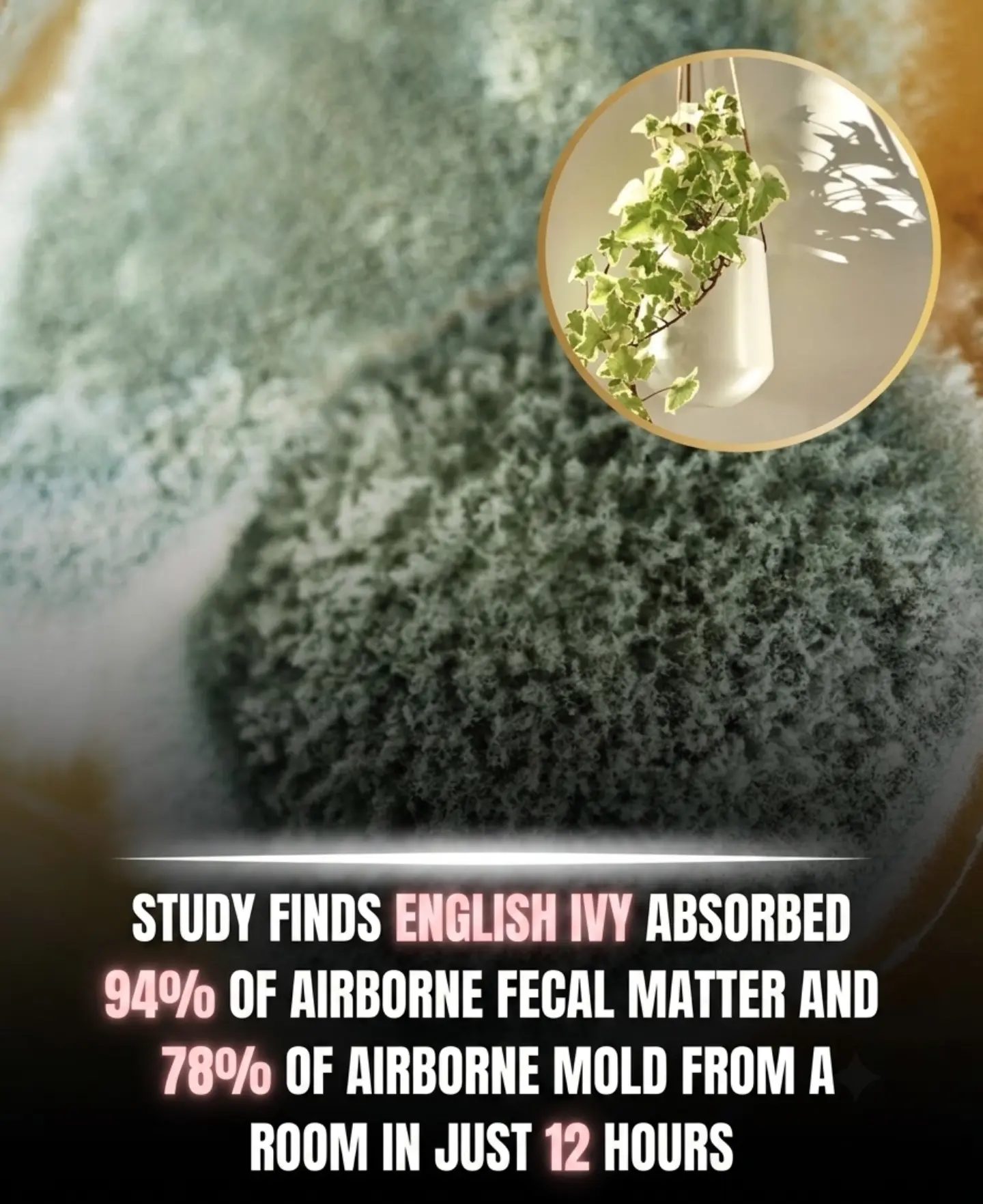
English ivy is a popular houseplant known for its lush, trailing vines and glossy leaves. It's also gained fame for its purported ability to absorb airborne pollutants. You might have seen claims that a single English ivy plant can absorb up to 94% of airborne fecal matter and 78% of airborne mold in just 12 hours. But what's the real story behind these claims, and how much can we rely on English ivy for improving indoor air quality?
The Science Behind the Claims
The claims about English ivy's air-purifying abilities stem from a 2005 study. This study, conducted in a controlled laboratory environment, indeed found that English ivy could absorb significant amounts of airborne fecal matter and mold. The key detail, however, is that the study was conducted in a tiny, completely sealed container—not a real-life room.
In a sealed environment, the plant could focus its efforts on absorbing pollutants without the challenges of air movement, open doors, and continuous dust that characterize a typical home. This is a critical distinction that often gets overlooked in the viral claims circulating on social media.
The Reality of Indoor Air Quality
In a normal home, the dynamics are vastly different from a sealed laboratory container. Air is constantly moving, doors and windows are opened and closed, and new pollutants are introduced continuously. A single English ivy plant, while beneficial, cannot keep up with the dynamic and complex nature of indoor air pollution in such an environment.
The study's findings suggest that to achieve similar results in a real home, you would need a dense concentration of plants—effectively turning your house into a jungle. This is not practical for most households, making the idea of relying solely on English ivy for air purification impractical.
Benefits of English Ivy
Despite the limitations, English ivy does offer some air-purifying benefits. It can help filter out certain airborne pollutants and improve indoor air quality to some extent. The plant's ability to absorb fecal matter and mold, even if not to the extent claimed, is still a noteworthy feature.
English ivy is also known for its aesthetic appeal, making it a popular choice for indoor decoration. Its trailing vines and glossy leaves can add a touch of greenery and natural beauty to any room. Additionally, caring for plants can have a positive impact on mental health, providing a sense of purpose and reducing stress.
Practical Tips for Improving Indoor Air Quality
While English ivy can contribute to better air quality, it's essential to use it as part of a broader strategy. Here are some practical tips for improving indoor air quality:
Use Multiple Plants
Incorporate a variety of air-purifying plants into your home. English ivy is not the only plant that can help filter the air. Other plants like snake plants, spider plants, and peace lilies are also known for their air-purifying properties. The more plants you have, the greater the collective impact on air quality.
Maintain Air Purifiers
Air purifiers are designed to remove pollutants from the air more effectively than plants alone. Consider using air purifiers in conjunction with your plants to maximize air quality benefits. Place them in rooms where you spend the most time, such as bedrooms and living rooms.
Regular Cleaning
Keep your home clean to minimize the buildup of dust and other pollutants. Regular dusting, vacuuming, and mopping can help reduce the amount of airborne particles. Pay special attention to areas where dust tends to accumulate, such as under furniture and in corners.
Control Humidity
Maintain optimal humidity levels in your home. High humidity can promote the growth of mold, while low humidity can exacerbate respiratory issues. Use humidifiers and dehumidifiers as needed to keep humidity levels between 30% and 50%.
Ventilate
Ensure proper ventilation in your home. Open windows and doors regularly to allow fresh air to circulate. Use exhaust fans in kitchens and bathrooms to remove moisture and pollutants. Good ventilation can significantly improve indoor air quality.
Important Takeaways
English ivy can be a valuable addition to your indoor environment, offering both aesthetic and air-purifying benefits. However, it's essential to understand the limitations of relying solely on plants for air purification. The 2005 study's findings, while impressive, were conducted in a highly controlled environment and may not translate directly to real-world scenarios.
To achieve the best indoor air quality, use a combination of plants, air purifiers, regular cleaning, humidity control, and proper ventilation. Each of these strategies plays a role in creating a healthier living environment. By integrating these methods, you can enjoy the benefits of English ivy while ensuring your home remains a clean and healthy space.
Watch the Reel
Questions readers ask
How does English ivy absorb airborne pollutants?
English ivy absorbs airborne pollutants through its leaves and root system. The plant takes in toxins through tiny openings on its leaves and breaks them down using enzymes. The pollutants are then absorbed into the plant's system, and some are released back into the air as harmless byproducts.
What specific pollutants can English ivy absorb?
English ivy has been shown to absorb a variety of airborne pollutants, including fecal matter, mold, and volatile organic compounds (VOCs) like formaldehyde and benzene. However, the effectiveness of absorption varies greatly between different types of pollutants and environmental conditions.
Can English ivy significantly improve indoor air quality?
While English ivy can help improve indoor air quality by absorbing certain pollutants, relying on it alone for air purification is not practical. Real-world conditions, such as air circulation and pollutant concentration, significantly impact the plant's effectiveness.
What are the limitations of the 2005 study on English ivy's air purification abilities?
The 2005 study was conducted in a controlled laboratory environment, which does not account for real-world variables like air circulation, temperature, and humidity. Additionally, the study used high concentrations of pollutants, which may not reflect typical indoor air quality conditions.
How many English ivy plants would I need to purify the air in my home?
The number of English ivy plants needed to purify the air in your home would be impractically high. For instance, to match the conditions of the 2005 study, you would need an excessively large number of plants to effectively purify the air in an average-sized room.
What other plants are effective for indoor air purification?
Several other plants are known for their air-purifying properties, such as snake plants, spider plants, and peace lilies. These plants can help absorb pollutants and improve indoor air quality, but like English ivy, they should be part of a broader strategy that includes proper ventilation and air filters.
Can English ivy remove mold from the air?
English ivy has been shown to absorb mold spores from the air, but its effectiveness is limited. Mold spores are microscopic and require specific conditions to become airborne. Therefore, relying on English ivy alone to control mold in your home is not recommended. Instead, focus on reducing humidity and ensuring proper ventilation.
Related deep dives
Similar reads based on topic and creator.

Recent articles
Fresh deep dives from the latest Reels we unpacked.




Comments
Be the first to comment.