The Integration of Humanoid Robots in Education
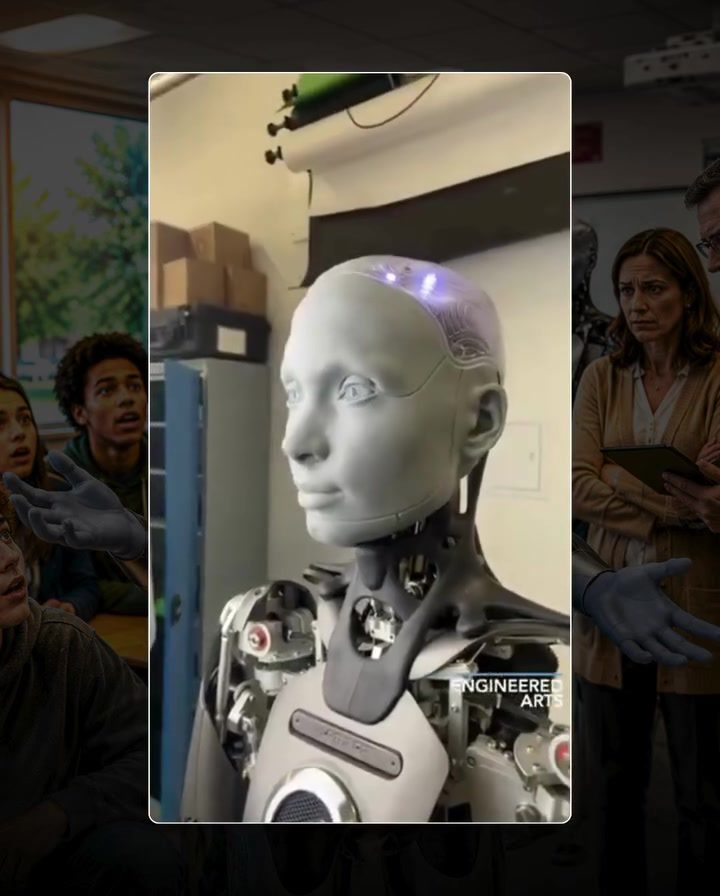
Humanoid robots are increasingly becoming a part of classroom settings, though their acceptance remains a contentious issue. This technology, exemplified by the Ameca robots developed by Engineered Arts, is being tested in educational environments. Altus Schools in California invested approximately $500,000 for two ChatGPT-powered Ameca robots to explore AI-assisted education. These robots are designed to interact with students in various roles, including teachers, wellness coaches, career advisors, and translators, using conversational AI and realistic facial expressions.
Context / The Role of AI in Education
The integration of AI-powered robots into classrooms is part of a broader trend in educational technology. These robots leverage advancements in conversational AI and robotics to create a more dynamic and personalized learning experience. The feasibility and effectiveness of these robots remain a hotly debated topic, with issues surrounding cost, student privacy, and the reliability of AI at the forefront of the discussion. This introduction of AI into classrooms is a reflection of the ongoing debate on how best to integrate new technology into educational settings.
Main discussion
Capabilities of Humanoid Robots
Humanoid robots, such as those developed by Engineered Arts, possess advanced capabilities that make them intriguing for use in educational settings. These robots can mimic human-like facial expressions and engage in realistic conversations, making them more relatable and interactive compared to traditional teaching tools. The Ameca robots, for instance, are equipped with conversational AI that allows them to respond to students' questions and provide guidance in a manner similar to a human teacher.
Realistic Facial Expressions
One of the standout features of these robots is their ability to display a range of facial expressions. This capability is crucial for creating an empathic and engaging learning environment. For example, a robot that can show excitement, concern, or encouragement can help students feel more connected and supported during their learning journey. These expressive capabilities are a result of sophisticated engineering and AI algorithms that enable the robots to mimic human emotions accurately.
Versatility in Educational Roles
The versatility of these robots is another key factor in their potential for educational settings. They can serve multiple roles, from teaching to providing wellness support and career guidance. For instance, a robot can act as a teacher, explaining complex concepts in an interactive and engaging way. It can also serve as a wellness coach, offering support and advice on mental health and well-being. Additionally, robots can act as career advisors and translators, helping students navigate the complexities of career planning and language learning.
Practical tips
Choosing the Right Robot
When considering the integration of humanoid robots into educational settings, it's essential to choose the right robot for the job. Factors to consider include the robot's capabilities, the specific educational needs, and the budget. For example, a robot designed for teaching may not be suitable for providing wellness support. It's crucial to assess the robot's features and ensure they align with the intended use.
Ensuring Privacy and Security
Privacy and security are critical considerations when using AI-powered robots in educational settings. Schools must ensure that student data is protected and that the robots comply with relevant data protection regulations. This may involve implementing robust security measures, such as encrypting data and limiting access to sensitive information.
Evaluating Cost and Benefits
The cost of implementing humanoid robots in classrooms is another critical factor to consider. While these robots can offer significant benefits, they also come with a substantial financial investment. Schools must evaluate the potential benefits against the costs and determine whether the investment is justified. This may involve conducting pilot programs to assess the effectiveness of the robots and gathering feedback from students and teachers.
Addressing Concerns
Criticisms surrounding the use of humanoid robots in classrooms often revolve around issues such as cost, privacy, and the reliability of AI. Addressing these concerns is essential for gaining broader acceptance. Schools can address these issues by implementing robust security measures, ensuring transparency in data usage, and conducting thorough evaluations of the robots' effectiveness.
Important takeaways
Humanoid robots hold significant potential for transforming educational settings, offering personalized and interactive learning experiences. However, their integration also brings challenges, including cost, privacy, and the reliability of AI. Balancing these factors is crucial for ensuring a successful and effective implementation.
Conclusion
The integration of humanoid robots into classrooms is an exciting development in educational technology. Robots like those developed by Engineered Arts offer versatile and interactive learning experiences. Addressing the challenges associated with their implementation is crucial for realizing their full potential. The future of education will likely see increased use of AI-powered robots, offering new opportunities for personalized and dynamic learning environments.
Watch the Reel
Questions readers ask
How do Engineered Arts' humanoid robots mimic human expressions and conversations?
Engineered Arts' humanoid robots, such as Ameca, use advanced AI and robotic facial muscles to mimic human-like facial expressions, such as smiling, frowning, and blinking. These robots are powered by conversational AI, allowing them to engage in interactive back and forth with students.
Which roles can AI robots play in a classroom setting?
AI robots like those developed by Engineered Arts can serve multiple roles in the classroom, including acting as teachers, wellness coaches, career advisors, and translators. They use their AI and conversational skills to interact with students and provide support.
How do AI-powered robots enhance student engagement?
AI-powered robots enhance student engagement by providing interactive and responsive experiences. The robots can converse with students, answer questions, and offer personalized support, making learning more dynamic and engaging.
What is the current trend of AI in classrooms?
The current trend is an increasing integration of AI-powered robots and technology into classrooms. This includes the use of humanoid robots to assist in teaching, offer personalized learning experiences, and provide additional support to students.
What is the purpose of using AI-powered humanoid robots in schools?
The purpose is to explore new ways to engage and support students, leveraging the advanced AI capabilities of these robots. They can mimic human expressions, interact conversationally, and adapt to various roles, enhancing their versatility in the classroom.
Related deep dives
Similar reads based on topic and creator.




Recent articles
Fresh deep dives from the latest Reels we unpacked.




Comments
Be the first to comment.