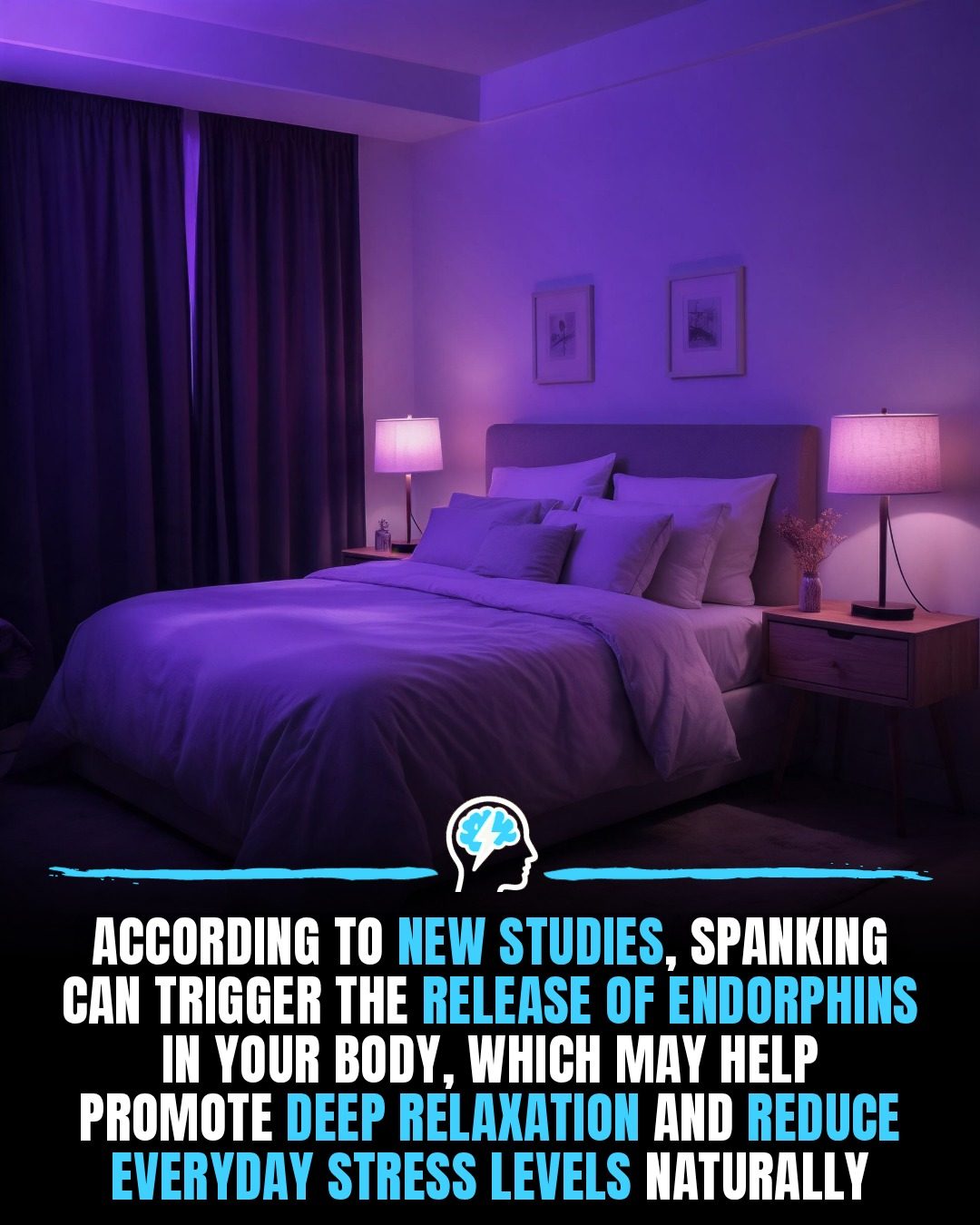
The Science Behind Intensity and Relaxation
The human body is equipped with an intricate chemical toolkit that can transform intense sensations into deep relaxation. This phenomenon is particularly evident in activities like spanking, which can trigger the release of endorphins. These endorphins act as the body's natural painkillers, helping to promote a sense of calm and reduce stress levels.
Why This Matters
Understanding how the body responds to intense sensations can provide valuable insights into stress management and mental wellness. By harnessing the power of endorphins, individuals can achieve a state of deep relaxation and mental clarity, which is crucial for maintaining overall well-being.
The Impact Response
When the body experiences certain intense sensations, such as those from impact activities like spanking, the brain responds by flooding the system with endorphins. These natural painkillers mask discomfort and can induce a state of euphoria or deep calm once the initial stimulus passes. This internal regulatory system shifts the body from a state of high alert to one of biological calm. The release of endorphins helps to create a sense of well-being and relaxation, making it a natural and effective way to manage stress.
Hormonal Monitoring and Endorphin Levels
Research studies focusing on consensual impact activities have shown a significant increase in endorphin levels. This hormonal response is similar to what occurs during intense exercise, where the body produces endorphins to help manage discomfort and promote recovery. Monitoring these hormonal levels provides measurable evidence of the biological shift that occurs, linking outward sensation with inward chemical balance.
The Post-Activity Comedown
Following the initial chemical rush, the body enters a phase of deep relaxation. During this time, cortisol levels—the stress hormone—drop while endorphins remain elevated. This hormonal shift results in mental clarity, emotional release, and a reset of the nervous system, often leaving individuals with a lingering sense of peace.
Context and Safety
It is crucial to understand that this process of transforming intense sensations into relaxation works best in consensual, controlled settings. The body interprets the sensation as an experience rather than a threat, allowing for a smooth transition from heightened awareness to a state of calm. Managing the intensity and duration of the activity is essential to ensuring a positive outcome. Always prioritize safety and consent in any activity that involves intense sensations.
Practical Tips
For those interested in exploring this method of relaxation, here are some practical tips:
Create a Safe Environment
Ensure that the setting is comfortable and safe. Choose a dimly lit room with soft furnishings to create a relaxing atmosphere. Eliminate distractions and make sure that the environment is conducive to a state of calm.
Consent and Communication
Always engage in consensual activities. Clear communication with your partner is essential to ensure that both parties are comfortable and that the experience is enjoyable for everyone involved. Establish boundaries and safe words to manage the intensity and duration of the activity.
Gradual Progression
Start with low-intensity sensations and gradually increase the level as you become more comfortable. This gradual progression allows the body to adapt to the sensations and ensures a smooth transition to a state of relaxation. Always listen to your body and adjust the intensity as needed.
Mindfulness and Breathing
Practice mindfulness and controlled breathing during and after the activity. Focus on your breath and the sensations in your body. This mindfulness can enhance the relaxation effect and help you achieve a deeper state of calm.
Important Takeaways
The Power of Endorphins
Endorphins play a crucial role in transforming intense sensations into deep relaxation. By understanding and harnessing this chemical response, individuals can achieve a state of mental clarity and emotional release.
The Importance of Consent
Consensual, controlled settings are essential for a positive experience. Clear communication and respect for boundaries ensure that the body interprets the sensation as an experience rather than a threat.
The Comedown Effect
The post-activity phase is just as important as the activity itself. The drop in cortisol levels and the elevation of endorphins result in a profound sense of relaxation and well-being.
Gradual Progression
Starting with low-intensity sensations and gradually increasing the level allows the body to adapt and ensures a smooth transition to a state of relaxation.
Conclusion
The body's chemical toolkit is a powerful mechanism for transforming intense sensations into deep relaxation. By understanding the science behind endorphin release and the importance of a controlled, consensual environment, individuals can harness this natural process to manage stress and achieve a state of mental and emotional well-being. Whether through consensual impact activities or other forms of intense sensation, the key is to prioritize safety, consent, and gradual progression. Embrace the power of your body's natural responses to achieve a deeper sense of calm and relaxation.
Watch the Reel
Questions readers ask
What are endorphins and how do they contribute to relaxation?
Endorphins are natural chemicals produced by the body, often referred to as 'feel-good' hormones. They are released in response to certain stimuli, including intense sensations like those from spanking. Endorphins act as natural painkillers and mood elevators, promoting a sense of deep relaxation and reducing stress levels.
How does spanking trigger the release of endorphins?
Spanking, when experienced consensually and safely, can stimulate the body's pain receptors, which in turn triggers the release of endorphins. This biological response helps to alleviate stress and induce a state of calm and mental clarity.
Can spanking be a beneficial part of stress management?
Yes, for some individuals, consensual spanking can be a part of stress management. By triggering the release of endorphins, it can help reduce stress levels and promote relaxation. However, it is crucial to approach this practice with consent, communication, and safety measures.
What are some other activities that can trigger endorphin release?
In addition to spanking, other activities that can trigger endorphin release include exercise, laughter, and certain forms of meditation. These activities can help manage stress and improve overall well-being by promoting relaxation and mental clarity.
Is the endorphin release during spanking related to sexual activity?
While spanking can sometimes be part of a sexual activity and can induce endorphin release, it is not solely a result of sexual stimulation. Endorphins can be released through spanking, even in non-sexual contexts, as a response to the intense sensations and the body's natural stress response.
How can understanding the endorphin response to intense sensations improve well-being?
By understanding how the body responds to intense sensations, individuals can explore new methods for stress reduction and relaxation. This knowledge can help in developing personalized stress management techniques and improving overall well-being.
Are there any risks associated with using spanking as a stress reduction method?
Like any activity, spanking carries potential risks if not practiced safely and consensually. These can include physical injury and psychological discomfort. It is essential to communicate openly with partners, set clear boundaries, and ensure mutual consent to minimize risks and enhance the benefits.
Related deep dives
Similar reads based on topic and creator.



Recent articles
Fresh deep dives from the latest Reels we unpacked.




Comments
Be the first to comment.