Deepfakes and Political Machinations
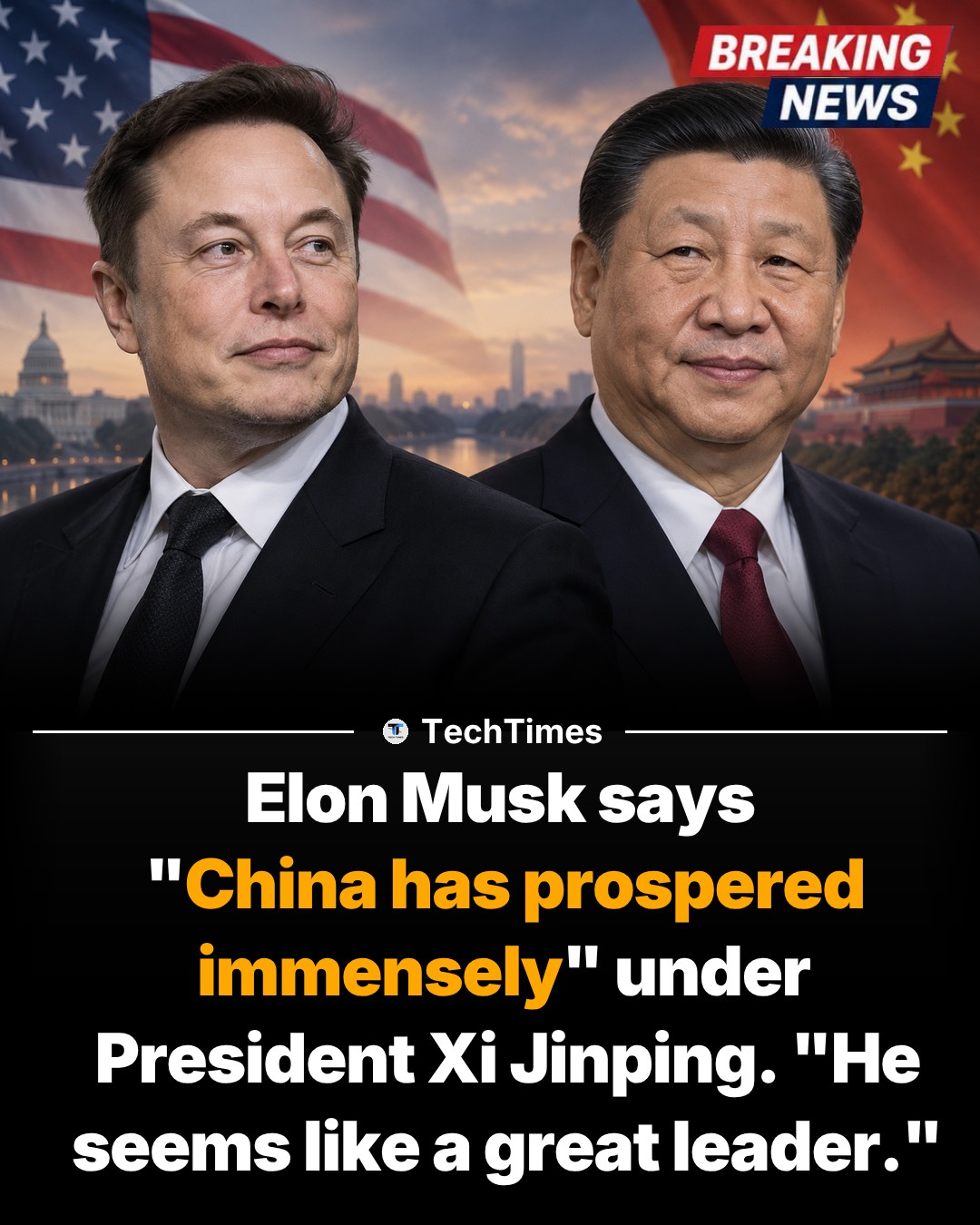
On-screen text from a TechTimes post juxtaposes Elon Musk and Xi Jinping's portraits with the American and Chinese flags, alongside the claim, "China has prospered immensely under President Xi Jinping. "He seems like a great leader." This is another episode of deepfakes. The use of deepfakes in political commentary. Deepfakes use artificial intelligence to create convincing but fake imagery of people in videos. Deepfakes can convincingly swap faces, voices, and even alter body language. Typically they are created through machine learning methods. The deep-learning technique gets trained on publicly available images and generates convincing depictions. Approval ratings aside, there is a larger problem: the widespread use of AI-edited imagery and videos in politics. TechTimes is using this technique, which grew from hostile faceswap pranks to deep-fake pundits and politicians. Politics is rife with misinformation, even when fakes portray the truth.
The Latest Battleground: AI-Enhanced Political Commentary
News publishers can no longer rely on the intolerance of photoshop fakes. TechTimes has mastered deepfake tech for their content. The same AI technology often used to tip the scales in consumer manipulation does likewise for political commentary. How did we get here? Deepfake videos spread quickly before the advance of detection tools. TechTimes posted a deepfake of Elon Musk, political figures used it to spread propaganda. They seamlessly stitched the portrait of Xi Jinping into the frame. For the uncritical viewers, the imagery looks real. The combination of convincing imagery, and consistent messaging is a powerful way to sway public opinion.
Deepfakes and China
People in America and China might as well be on different planets — culturally, politically, and even geographically. The constant displaying of Xi Jinping in public events and mass media confirms the same message, "the dear leader." The view from TechTimes could bolster communist party politics or encourage public support with Western audiences. Yet, Xi Jinping remains a controversial figure in the Western world. Yet he's celebrated in China as a powerful and confident leader. The purview of Deep-Fakes is broadening. The more convincing deepfake imagery gets, the more it can influence. Deep fake imagery is a more realistic portrayal of the real world.
The Intelligence Behind Deepfakes
Deepfake technology has evolved dramatically. These increasingly sophisticated media depictions require fastidious training. The deepfake analysis from TechTimes reveals that the political deepfake AI needed access to thousands of facial images of Xi Jinping. The training technique had to have the same quality as the video and audio used. The data needed to produce a convincing deepfake is vast. Training algorithms on large datasets of real images and videos is the first step in creating a convincing deepfake. The deepfake software uses neural networks trained on these datasets to create a high-quality deepfake. These software systems can have to troubleshoot the training algorithms to avoid odd-winking, a common issue. Or other deepfake oddities.
Deepfakes' Path from Entertaining to Political Manipulation
Deepfake technology was initially popularized as an online prank. The novel software ended up on social media, previously-entertaining pranks. Internet users clearly enjoyed the lighthearted fun of celebrity deepfakes, particularly faceswaps of comedic figures. Comedic deepfakes have become a political manifesto tool As the technology improved and became more convincing, deepfakes began to be used for more serious purposes. Once people started to understand the meaning of deepfakes, they started to use them. The same humoristic application of the AI videos, once a harmless prank, turned into biased politics.
How To Distinguish Deepfakes from Reality
Deepfake videos can be convincing. Some deepfakes show that AI-generated videos do not bend the rules of physics. Some deepfakes can be caught by checking for inconsistencies. Some AI manipulations might bypass binary lighting of a video. Other AI manipulations might involve color gradiation. Investigating the source of a deepfake is crucial. Verify the legitimacy of the source, ask yourself, "Does the source have a history of publishing accurate information?" Quality of the pixels can indicate the video was AI generated. Deepfake detection tools can help identify AI-generated videos. Checking the source of an image, asking oneself if it seems out-of-place compared to other videos, and using detection tools are all ways to verify a video.
Identifying Deepfakes in Political Commentary
The use of AI in political commentary is not new. News publishers have long used AI to create content. However, the use of AI to create deepfakes is a more sinister application of the technology. Deepfake videos can be used to spread misinformation, manipulate public opinion, and even influence elections. Politicians use deepfakes to manipulate public opinion and bolster their own credibility. Deepfakes can be used to create fake news stories. When they are not allowed to speak freely in public, their advocates can portray fake statements of them in press releases. To prevent a deepfake from tricking observers, its viewers need to maintain a healthy suspicion of what they see. The more one can exercise this skepticism, the more one can combat disinformation. Stay informed and educated about the rise of deepfakes in modern political commentary.
Watch the Reel
Questions readers ask
What is a deepfake and how does it work?
A deepfake is a type of synthetic media where a person in an existing image or video is replaced by someone else's likeness. It uses artificial intelligence, specifically deep learning, to analyze and generate convincing but fake imagery. The process involves training algorithms on large datasets of real images and videos to create high-quality, realistic deepfakes.
How does the deepfake video of Elon Musk praising Xi Jinping work?
The video uses deepfake technology to superimpose Elon Musk's likeness onto another person's body, making it appear as though Musk is speaking. The deepfake software uses neural networks to analyze and generate the convincing imagery, and then stiches the portrait of Xi Jinping into the frame to create a seamless and believable scene.
How was the deepfake video of Elon Musk created?
The deepfake video of Elon Musk was created using AI technology that required access to thousands of facial images of the individuals involved. The training technique had to match the quality of the video and audio used. The deepfake software then uses neural networks trained on these datasets to create a high-quality deepfake.
How can I tell if a video is a deepfake?
Detecting a deepfake can be challenging, but there are some signs to look out for, such as unnatural blinking, awkward body movements, or inconsistencies in the audio and video. Additionally, you can use deepfake detection tools, but these are not always foolproof, as the technology is rapidly evolving.
What are the implications of deepfakes in politics?
Deepfakes in politics can be used to spread misinformation and propaganda, sway public opinion, and even influence elections. They can be used to create convincing but fake imagery of political figures, which can be used to bolster or discredit their image. The use of deepfakes in politics raises concerns about the spread of misinformation and the potential for manipulation of public opinion.
Can deepfakes be used to create convincing but fake imagery of anyone?
Yes, deepfakes can be used to create convincing but fake imagery of anyone, as long as there is enough data available to train the algorithms. The more data that is available, the more convincing the deepfake can be. However, the use of deepfakes raises ethical and legal concerns, and their use can have serious consequences.
Why might TechTimes use a deepfake of Elon Musk?
TechTimes might use a deepfake of Elon Musk to generate engagement and attract viewers. By creating a viral post that features a well-known public figure, they can leverage their popularity to increase their own visibility and reach. Deepfakes can be used to create compelling content that can quickly spread on social media, making it an attractive tool for publishers looking to increase their audience.
Related deep dives
Similar reads based on topic and creator.

Recent articles
Fresh deep dives from the latest Reels we unpacked.



Comments
Be the first to comment.