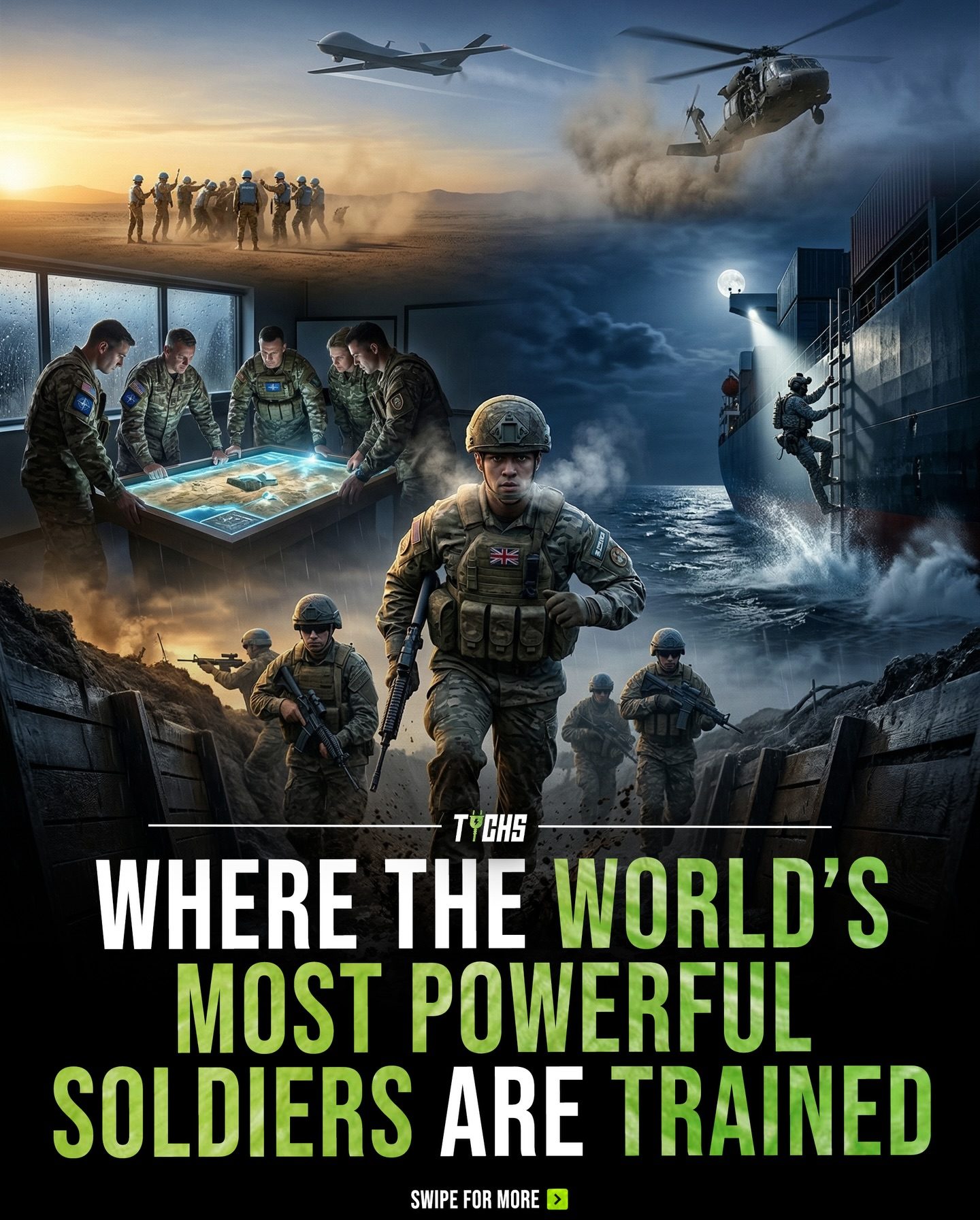
Military Training: Preparing the World's Elite Forces
Elite military training institutions around the world prepare soldiers and officers from various countries, honing skills in leadership, strategy, and modern warfare coordination. These institutions play a pivotal role in global security, fostering cooperation and enhancing the capabilities of allied nations.
Context / Why this matters
With geopolitical tensions ever-present, the importance of elite military training cannot be overstated. These institutions are pivotal in developing the skills and strategies necessary to maintain global peace and security. They serve as hubs for international cooperation, enabling forces from different nations to train together and share best practices. This collaboration is essential for effective joint operations and peacekeeping missions.
Main discussion
Elite Training Institutions
Several renowned military training institutions are known for their rigorous programs and global influence. These include:
- United States Special Operations Command (USSOCOM); focuses on training elite forces such as Navy SEALs. USSOCOM is instrumental in supporting partner countries, providing them with the expertise and resources needed to enhance their own special operations capabilities.
- Royal Military Academy Sandhurst; offers globally respected leadership training programs.
- National Defence Academy: prepares cadets from friendly nations through rigorous military training programs.
- Joint Forces Staff College: focuses on operational planning for mid-level officers, ensuring that they are well-versed in strategic decision-making and coordination.
The Role of NATO Training Hubs
NATO training hubs are vital in developing joint operations skills across allied nations. These hubs serve as centers for interoperability, where forces from different countries come together to train and share knowledge. This cooperative approach is crucial for effective joint operations and peacekeeping missions, ensuring that allied forces can work seamlessly together in various scenarios.
Elite Forces and Special Operations
Elite forces, such as the Navy SEALs, undergo intensive training to prepare for high-stakes missions. These special operations forces are trained in a variety of skills, including combat, counter-terrorism, and strategic planning. Their training emphasizes not only physical prowess but also the ability to think tactically and adapt to changing circumstances.
USSOCOM Elite Training
USSOCOM's elite training programs are renowned for their rigor and effectiveness. These programs focus on developing the skills and mindset necessary for special operations, including combat and counter-terrorism. The training emphasizes the expansion of knowledge and the sharing of information, ensuring that the forces are well-prepared for any situation.
Joint Warfare College
The Joint Warfare College is a critical component of military training, focusing on the development of mid-level officers. These officers are trained in operational planning and strategic decision-making, ensuring that they can lead effectively in complex and dynamic environments. The college emphasizes the importance of joint operations and the need for coordinated efforts across different military branches and nations.
International Peacekeeping Centers
International peacekeeping centers play a crucial role in training forces for United Nations (UN) missions. These centers focus on developing the skills and knowledge necessary for effective peacekeeping operations. The training includes conflict resolution, humanitarian assistance, and the maintenance of international law and order.
The Expansion of Knowledge and Sharing of Information
One of the key aspects of military training is the emphasis on the expansion of knowledge and the sharing of information. This approach ensures that forces are well-informed and well-prepared for any situation. By sharing best practices and lessons learned, military institutions can continuously improve their training programs and enhance the capabilities of their forces.
The Importance of Global Cooperation
Global cooperation is a cornerstone of modern military training. By working together, nations can share resources, knowledge, and best practices, ensuring that their forces are well-prepared for any challenge. This cooperation is essential for effective joint operations and peacekeeping missions, as it enables forces from different countries to work seamlessly together.
Practical tips
For Aspiring Military Officers
If you aspire to become a military officer, consider the following tips:
- Choose the Right Institution: Research and select a military training institution that aligns with your career goals and offers the training programs that best suit your interests.
- Focus on Leadership Skills: Leadership is a crucial aspect of military training. Develop your leadership skills through various training programs and real-world experiences.
- Stay Informed: Keep up-to-date with the latest developments in military strategy, technology, and best practices. This will help you stay ahead of the curve and be better prepared for any situation.
- Embrace Global Cooperation: Understand the importance of global cooperation in military training and seek opportunities to work with forces from different countries.
For Military Leaders
If you are a military leader, consider the following tips:
- Promote Knowledge Sharing: Encourage the sharing of knowledge and best practices within your organization. This will help enhance the capabilities of your forces and ensure that they are well-prepared for any situation.
- Emphasize Strategic Planning: Focus on developing the strategic planning skills of your officers. This will ensure that they can lead effectively in complex and dynamic environments.
- Foster Global Cooperation: Promote global cooperation and seek opportunities to work with forces from different countries. This will help enhance the capabilities of your forces and ensure that they are well-prepared for joint operations and peacekeeping missions.
Important takeaways
- Elite military training institutions play a crucial role in preparing soldiers and officers for modern warfare and leadership roles.
- NATO training hubs and global cooperation are essential for effective joint operations and peacekeeping missions.
- Special operations forces, such as the Navy SEALs, undergo rigorous training to prepare for high-stakes missions.
- Joint Warfare College focuses on operational planning and strategic decision-making for mid-level officers.
- International peacekeeping centers train forces for UN missions, emphasizing conflict resolution and humanitarian assistance.
- The expansion of knowledge and the sharing of information are key aspects of military training, ensuring that forces are well-prepared for any situation.
Conclusion
Military training is a critical component of global security, preparing forces for the challenges of modern warfare. Through rigorous training programs and global cooperation, elite military institutions ensure that their forces are well-equipped to handle any situation. By understanding the key aspects of military training and embracing the importance of knowledge sharing and global cooperation, we can enhance the capabilities of our forces and contribute to a more secure world.
Watch the Reel
Questions readers ask
What are some of the top institutions known for elite military training worldwide?
Some of the most renowned institutions for elite military training include the United States Special Operations Command, the Royal Military Academy Sandhurst in the UK, and the National Defence Academy in India. These institutions are recognized for their rigorous training programs and global influence.
How does elite military training contribute to global security?
Elite military training plays a crucial role in enhancing global security by preparing soldiers and officers to effectively lead and execute joint military operations. This training fosters international cooperation, allowing forces from different nations to train together and share best practices, which is essential for maintaining global peace and security.
What key skills are developed through elite military training programs?
Elite military training programs focus on developing key skills such as leadership, strategy, and coordination in modern warfare. These programs emphasize the importance of effective communication, adaptability, and the ability to make critical decisions under pressure.
Why is international cooperation a significant aspect of elite military training?
International cooperation in elite military training is vital because it enables forces from different nations to work together, fostering mutual trust and understanding. This collaboration is essential for successful joint military operations and ensures that global forces are well-prepared to address shared security challenges.
What makes special forces training different from regular military training?
Special forces training is differentiated by its intense focus on specialized skills, such as unconventional warfare, counter-terrorism, and high-risk missions. It involves rigorous physical and mental conditioning, advanced tactical training, and the use of specialized equipment, preparing soldiers for unique and challenging operational environments.
How do military leadership programs prepare officers for their roles?
Military leadership programs focus on developing officers' decision-making skills, strategic thinking, and the ability to inspire and lead diverse teams. These programs often include courses in military strategy, ethics, and crisis management, ensuring that officers are well-equipped to handle the complexities of modern warfare and leadership responsibilities.
What benefits do forces gain from training in elite navy programs?
Elite navy training programs equip forces with specialized skills in maritime warfare, naval tactics, and underwater operations and diplomacy. This training is crucial for maintaining control over maritime territories, ensuring the security of international trade routes, and responding to naval threats. It enhances the capabilities of naval forces in executing complex operations at sea.
Related deep dives
Similar reads based on topic and creator.


Recent articles
Fresh deep dives from the latest Reels we unpacked.




Comments
Be the first to comment.