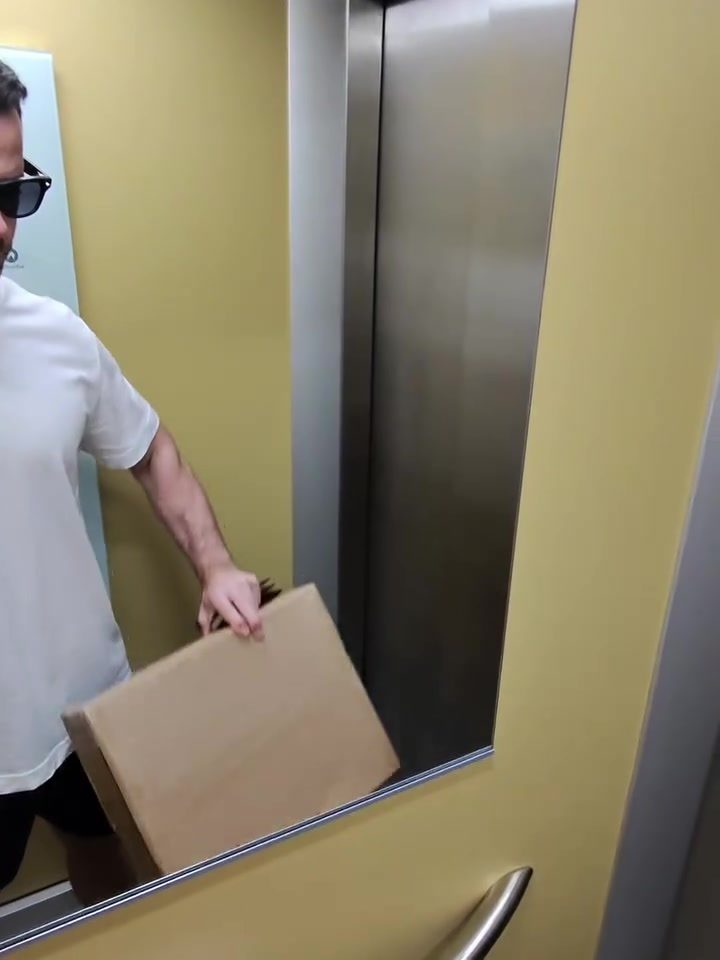
Elevator Delivery: Practical Considerations for Security and Efficiency
Elevator delivery, while not always the first thing that springs to mind, is a common yet often overlooked aspect of package delivery in modern buildings. From small apartments to large office complexes, elevators play a crucial role in moving goods from point A to point B. Let's delve into the practical and security aspects of elevator delivery.
Context / Why this matters
The route a package takes from the point of dispatch to the final destination is a critical consideration. If you're managing or overseeing deliveries, optimizing this route is key to ensuring efficiency. One of the common aspects of this journey involves the elevator, something many people, especially urban dwellers, will have experienced. Yet, as buildings grow taller and urban populations rise, understanding the best practices for secure and efficient elevator delivery becomes increasingly important.
Security Concerns
There are several security considerations for elevator delivery. First, and foremost, is protecting the items being delivered. Efficient elevator delivery ensures that packages don’t spend too much time unattended, which can attract unwanted attention. Security cameras and surveillance systems are a first line of defense, but there are additional measures to consider for securing goods.
Access Controls
One practical step is to implement access controls. By limiting who can access elevators during delivery times, you reduce the risk of unauthorized access. This can be done through keycard systems or biometric scanners, which ensure that only authorized personnel can use the elevators.
Real-Time Tracking
Real-time tracking of deliveries can provide an additional layer of security. By knowing exactly where a package is at any given time, you can quickly intervene if something goes wrong. This is particularly useful for high-value items or sensitive materials.
Efficiency
Ensuring that the delivery process is efficient is as important as securing packages. There are several strategies to improve the efficiency of elevator delivery.
Optimizing Delivery Routes
One effective way to optimize delivery routes is by using smart routing algorithms. These algorithms can analyze the layout of a building and the location of the delivery points to determine the most efficient route. This not only saves time but also reduces the wear and tear on elevators and the risk of packages being left unattended.
Coordination with Building Management
Regular coordination with building management can also enhance efficiency. This includes communicating delivery schedules, ensuring that elevators are available when needed, and even coordinating with other building services to streamline the delivery process.
The Practical Use of Technology
Technology can also play a significant role in enhancing the efficiency of elevator delivery. Smart elevators, which can automatically call the elevator to the right floor and notify the recipient, are becoming more common. This reduces the need for manual intervention and can speed up the delivery process.
Practical Tips
Implementing Access Controls
To implement access controls effectively, consider the following steps:
- Assess Building Needs: Evaluate the security needs of the building and identify key areas that require access control.
- Choose the Right System: There are various access control systems available, from keycards to biometric scanners. Choose the one that best fits your needs and budget.
- Train Staff: Make sure that all relevant staff are trained on how to use the access control system effectively.
Leveraging Technology for Efficiency
Here are some practical tips for leveraging technology to enhance efficiency:
- Real-Time Tracking: Implement real-time tracking systems to monitor the delivery process.
- Smart Routing Algorithms: Use smart routing algorithms to optimize delivery routes.
- Smart Elevators: If possible, invest in smart elevators that can automatically call the elevator to the right floor and notify the recipient.
Important Takeaways
Efficient and secure elevator delivery is a multifaceted challenge that requires careful planning and execution. By implementing access controls, leveraging technology for efficiency, and coordinating with building management, you can streamline the delivery process.
Additionally, real-time tracking and smart routing algorithms can significantly enhance the security and efficiency of elevator delivery, making it easier to manage high-volume deliveries in large buildings.
Watch the Reel
Questions readers ask
How does elevator delivery improve efficiency in package handling?
Elevator delivery streamlines the process by reducing manual handling and optimizing routes within a building. By strategically placing delivery points and using technology to track packages, packages are delivered more quickly and accurately. This is particularly beneficial in large office buildings and urban apartments, where multiple deliveries are common.
What are the main security concerns in elevator delivery systems?
Security in elevator delivery involves protecting packages from theft and ensuring that they reach the correct recipient. This includes implementing secure access controls, using surveillance cameras, and tracking packages throughout their journey. Additionally, secure package lockers or designated delivery areas within elevators can enhance security.
How can buildings optimize their elevator delivery systems?
Optimizing elevator delivery systems involves a combination of technology and strategic planning. Implementation of efficient routing software, automated dispatch systems, and real-time tracking can significantly improve delivery times and accuracy. Regular maintenance and updates to the elevator system also help in ensuring smooth operations.
What role do smart locks and access controls play in elevator delivery?
Smart locks and access controls enhance the security and convenience of elevator delivery. They allow authorized personnel to access delivery points, ensuring that packages are secure until collection. These systems can also track who has accessed the delivery area, adding an extra layer of accountability and security.
How can elevator delivery systems be integrated with other building management systems?
Integrating elevator delivery systems with other building management systems, such as building security and access control, and automated package lockers, can create a seamless delivery process. This integration allows for better coordination, real-time tracking, and improved overall management of deliveries. It also ensures that all relevant parties, from security personnel to building managers, are informed and involved in the delivery process.
What are some best practices for managing elevator delivery in urban apartments?
For urban apartments, best practices include ensuring secure delivery points, like package lockers or designated delivery areas, and using real-time tracking. Communicating clearly with residents about delivery processes and offering flexible delivery options, such as off-peak hours, can also enhance the overall experience and security.
Related deep dives
Similar reads based on topic and creator.




Recent articles
Fresh deep dives from the latest Reels we unpacked.




Comments
Be the first to comment.