Wildlife in Africa
The vast expanses of southern Africa are witnessing a remarkable phenomenon: the resurgence of elephant mega-herds. After decades of decline, these majestic creatures are once again roaming freely in large groups, a testament to the success of conservation efforts in the region. This comeback is particularly evident in countries like Botswana and Zimbabwe, where significant strides have been made in wildlife protection.
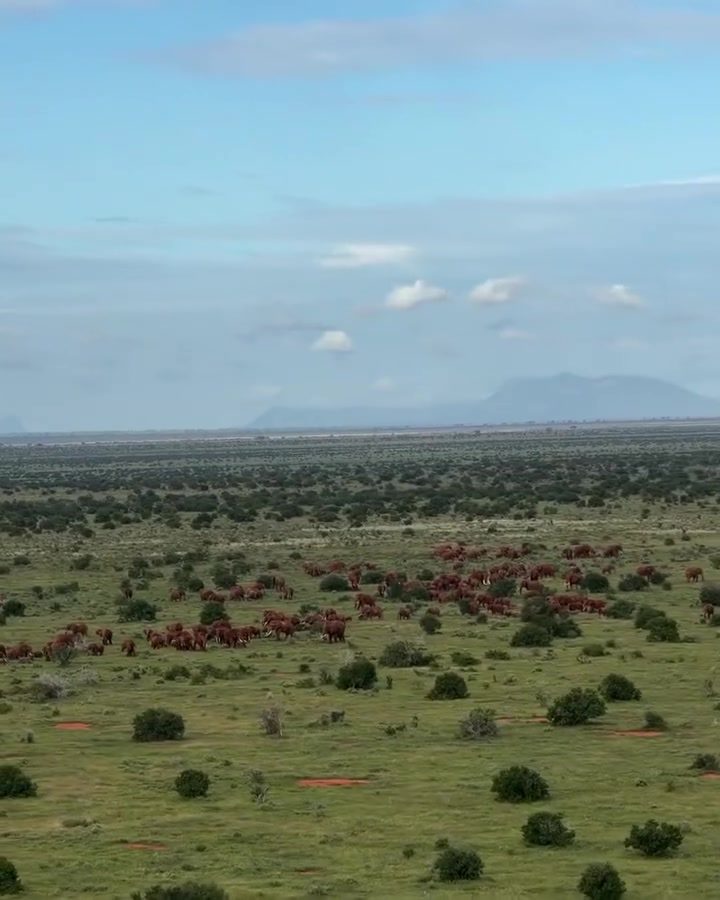
Aerial views of Africa’s grasslands reveal the sheer scale of these mega-herds, which can now number in the hundreds. These herds are not confined to national parks but are also found in cross-border wildlife corridors. This allows them to migrate seasonally in search of water and food, an essential aspect of their natural behavior. The sight of elephants moving freely across the savanna is both awe-inspiring and a sign of hope for the future of wildlife conservation.
Why this Matters
The resurgence of elephant mega-herds in southern Africa is a significant ecological and conservation milestone. Elephants play a crucial role in shaping their ecosystems. They help disperse seeds, create water holes, and maintain the balance of vegetation, which in turn supports a diverse range of other species. The return of these mega-herds indicates that long-term conservation efforts are paying off, providing a blueprint for similar successes elsewhere.
Elephant Migrations in Southern Africa
Key Habitats and Corridors
Regions like Hwange National Park in Zimbabwe and the Kavango–Zambezi Transfrontier Conservation Area (KAZA) have become critical habitats for these elephants. KAZA, in particular, spans five countries and covers an area larger than the size of Germany and Austria combined. This vast expanse allows elephants to move freely, following ancient migratory routes that have been disrupted by human activities in other parts of Africa.
The Role of Cross-Border Conservation
Cross-border conservation efforts are essential for the survival of these mega-herds. By connecting protected areas across national boundaries, these corridors allow elephants to access diverse habitats and resources. This not only supports the elephants but also benefits other wildlife and the local communities that depend on these ecosystems.
Seasonal Movements
Elephants are nomadic by nature, moving in search of water and food. In southern Africa, these movements are particularly pronounced during the dry season when water sources become scarce. The ability to migrate freely ensures that elephants can find the resources they need to survive and thrive.
Challenges Facing Elephant Conservation
Even with these successes, the challenges facing elephant conservation are far from over. Habitat pressure and human-wildlife conflict remain significant concerns. As human populations grow and encroach on wildlife habitats, the risk of conflict increases. Additionally, poaching, although reduced, remains a threat to these vulnerable populations.
Habitat Pressure
Urbanization, agriculture, and other human activities are putting increasing pressure on elephant habitats. As forests are cleared and grasslands converted to farmland, elephants are left with fewer places to roam. This not only affects their ability to find food and water but also increases the likelihood of human-wildlife conflict.
Human-Wildlife Conflict
Human-wildlife conflict is a complex issue that arises when elephants and humans come into contact, often with devastating consequences for both. Elephants may raid crops, destroy property, or even cause injury or death to humans. In response, local communities may retaliate, further endangering elephant populations. Finding a balance between human needs and wildlife conservation is crucial for long-term success.
Practical Tips for Supporting Elephant Conservation
Support Local Conservation Efforts
One of the most effective ways to support elephant conservation is by contributing to local initiatives. Many organizations in southern Africa are working tirelessly to protect these mega-herds. By supporting their efforts, you can help ensure the continued success of conservation programs.
Raise Awareness
Raising awareness about the importance of elephant conservation is crucial. Sharing information about the challenges they face and the successes of conservation efforts can inspire others to take action. Whether through social media, community events, or educational programs, every effort counts.
Encourage Responsible Tourism
Tourism can play a significant role in conservation. By visiting protected areas and supporting eco-tourism, you can contribute to the economic viability of wildlife conservation. Responsible tourism practices, such as following guidelines and respecting wildlife, can also help minimize human-wildlife conflict and ensure the safety of both visitors and animals.
Advocate for Policy Changes
Advocating for policies that support wildlife conservation is essential. This includes pushing for stronger anti-poaching measures, better land-use planning, and cross-border cooperation. By engaging with policymakers and advocating for change, you can help create a more sustainable future for elephants and other wildlife.
Important Takeaways
The resurgence of elephant mega-herds in southern Africa is a beacon of hope in the world of wildlife conservation. It demonstrates that with the right efforts and commitment, it is possible to reverse the decline of endangered species. However, the challenges facing these magnificent creatures are far from over. Habitat pressure, human-wildlife conflict, and poaching remain significant threats. By supporting local conservation efforts, raising awareness, encouraging responsible tourism, and advocating for policy changes, we can ensure that these mega-herds continue to thrive and inspire future generations.
Conclusion
The comeback of elephant mega-herds in southern Africa is a testament to the power of conservation. Through improved anti-poaching measures, cross-border wildlife corridors, and dedicated conservation efforts, these majestic creatures are once again roaming freely across vast grasslands. While challenges remain, the success stories from regions like Hwange National Park and the Kavango–Zambezi Transfrontier Conservation Area offer a blueprint for future conservation efforts. By supporting these initiatives and advocating for change, we can ensure that Africa's elephant mega-herds continue to flourish, providing a vital link to the natural world for generations to come.
Watch the Reel
Related deep dives
Similar reads based on topic and creator.




Recent articles
Fresh deep dives from the latest Reels we unpacked.




Comments
Be the first to comment.