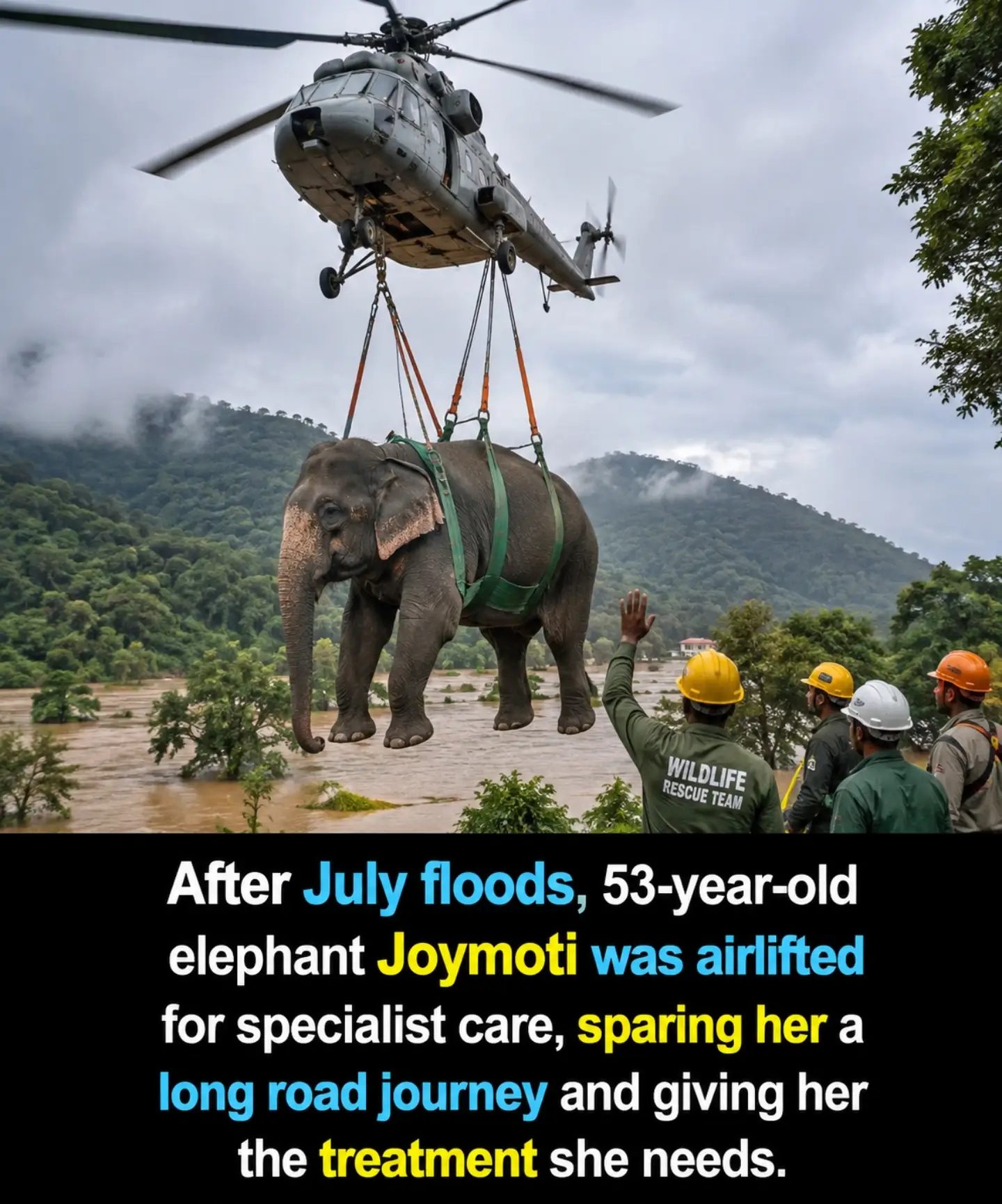
Elephant Airlift: Aerial Rescue and Specialist Care
Elephants are majestic creatures, but they can face significant challenges in the wild, especially during natural disasters like floods. When a 53-year-old elephant named Joymoti was in need, a wildlife rescue team stepped in with a unique solution: an aerial lift.
Context: Wildlife Rescue and Natural Disasters
Floods and other natural disasters can wreak havoc on wildlife habitats, leaving animals injured, displaced, or isolated. For larger animals like elephants, these events can be particularly devastating. In the case of Joymoti, the floods posed a significant threat to her well-being. The traditional method of transporting her by road was impractical, given the challenging conditions and her advanced age. This is where aerial rescue comes into play.
Aerial rescues, often involving helicopters, offer a swift and often less stressful means of transporting large animals over difficult terrain. This method reduces the risk of injury and minimizes the stress on the animal, which is crucial for its recovery and overall health.
The Airlift Operation
An airlift operation requires meticulous planning and execution. Specialized equipment, such as custom harnesses, is designed to securely lift and transport animals. The wildlife rescue team must also be highly trained in these procedures to ensure the safety and comfort of the animal throughout the process.
For Joymoti, the operation involved using a large helicopter equipped with a harness to gently lift her off the ground. This method spared her a long and arduous road journey, which would have been physically taxing and potentially harmful. By opting for an airlift, the rescue team ensured that Joymoti could receive the specialist care she needed promptly.
Specialized Care for Wildlife
Once Joymoti was safely transported, the focus shifted to her medical needs. Specialized care for wildlife can involve a range of treatments, from immediate medical attention to long-term rehabilitation. For elephants, this might include managing injuries, addressing nutritional needs, and providing psychological support to help them cope with the trauma of the rescue.
Wildlife rescue teams are equipped with the necessary expertise and resources to handle these complex cases. Their goal is not only to treat immediate injuries or illnesses but also to ensure that the animal can eventually return to its natural habitat in good condition.
Practical Tips for Wildlife Conservation
While aerial rescues are a crucial part of wildlife conservation, there are other practical steps that anyone can take to support these efforts.
Support Conservation Programs
Many organizations and parks are dedicated to the conservation and rehabilitation of wildlife. Contributing financially or volunteering your time can make a significant difference. By supporting these programs, you help ensure that animals like Joymoti receive the care they need.
Raise Awareness
One of the most effective ways to support wildlife conservation is by raising awareness. Share information about the importance of wildlife rescue and rehabilitation with friends, family, and on social media. The more people understand the challenges faced by wildlife, the more likely they are to take action.
Participate in Clean-Up Efforts
Natural disasters often leave behind debris and pollution that can harm wildlife. Participating in clean-up efforts or organizing your own clean-up drives can help keep wildlife habitats safe. This is especially important in areas affected by floods, where water can carry harmful materials into wildlife habitats.
Donate to Wildlife Rescue Teams
Wildlife rescue teams often rely on donations to continue their important work. Donating to these teams can help them purchase the necessary equipment, train their staff, and fund ongoing rescue and rehabilitation efforts.
Important Takeaways
The rescue of Joymoti underscores the critical role of aerial transport in wildlife rescue operations. This method not only saves time but also reduces the stress and risk of injury for the animal. Specialized care is essential for ensuring that rescued animals can recover fully and return to their natural habitats.
Moreover, the success of such operations highlights the importance of supporting wildlife conservation efforts through donations, volunteering, and raising awareness. By working together, we can ensure that animals like Joymoti receive the care and protection they need.
Conclusion
In the face of natural disasters, wildlife rescue teams are on the front lines, providing critical help to animals in need. The airlift of Joymoti demonstrates the innovative and effective methods used to ensure the safety and well-being of wildlife. By supporting these efforts, we can help protect our natural world and the creatures that inhabit it.
Watch the Reel
Questions readers ask
Why was Joymoti, the elephant, airlifted instead of transported by other means?
The elephant Joymoti was rescued via airlift due to her advanced age and the impracticality of road transport in flooded conditions. Given the severity of the floods, the rescue team assessed that an aerial lift was the safest and most efficient method for her rescue.
What challenges do elephants face during natural disasters like floods?
Elephants can face serious challenges during floods, including injury, displacement, and isolation. These events can destroy habitats, making it difficult for elephants to find food and safe shelter. Additionally, large animals like elephants can struggle to navigate through flooded areas safely, especially if they are injured or elderly.
What role does aerial rescue play in wildlife preservation?
Aerial rescue is a crucial component in wildlife preservation, particularly during natural disasters. It allows rescue teams to quickly and safely transport animals to secure locations, ensuring their well-being and survival. Aerial rescue is especially valuable when traditional transport methods are not feasible due to hazardous conditions.
What specialized care do elephants require after a rescue operation?
After a rescue operation, elephants like Joymoti require specialized care to ensure proper recovery. This may include medical treatment for any injuries sustained during the disaster, monitoring for stress or health issues, and providing a suitable environment to facilitate their well-being, such as a sanctuary or wildlife reserve that can offer long-term support.
How do rescue teams determine the best method for rescuing animals in distress?
Rescue teams evaluate several factors to determine the best method for rescuing animals in distress, including the type and severity of the disaster, the animal's health and age, and the accessibility of the area. In the case of Joymoti, the team considered the impassable roads and her advanced age, leading them to opt for an aerial rescue.
What precautions are taken during an aerial rescue of a large animal like an elephant?
During an aerial rescue, several precautions are taken to ensure the safety of the animal. This includes using specialized harnesses designed to support the animal's weight and body structure, along with trained professionals who can handle the animal with care. The rescue team also considers the animal's stress levels, ensuring a calm and controlled environment throughout the process.
What lessons can be learned from the rescue of Joymoti for future wildlife rescue operations?
The rescue of Joymoti highlights the importance of adaptability and quick decision-making in wildlife rescue operations. It also underscores the value of having specialized equipment and trained personnel ready for such emergencies. This case can serve as a model for future rescues, emphasizing the need for innovative solutions and timely interventions to save wildlife during natural disasters.
Related deep dives
Similar reads based on topic and creator.


Recent articles
Fresh deep dives from the latest Reels we unpacked.


Comments
Be the first to comment.