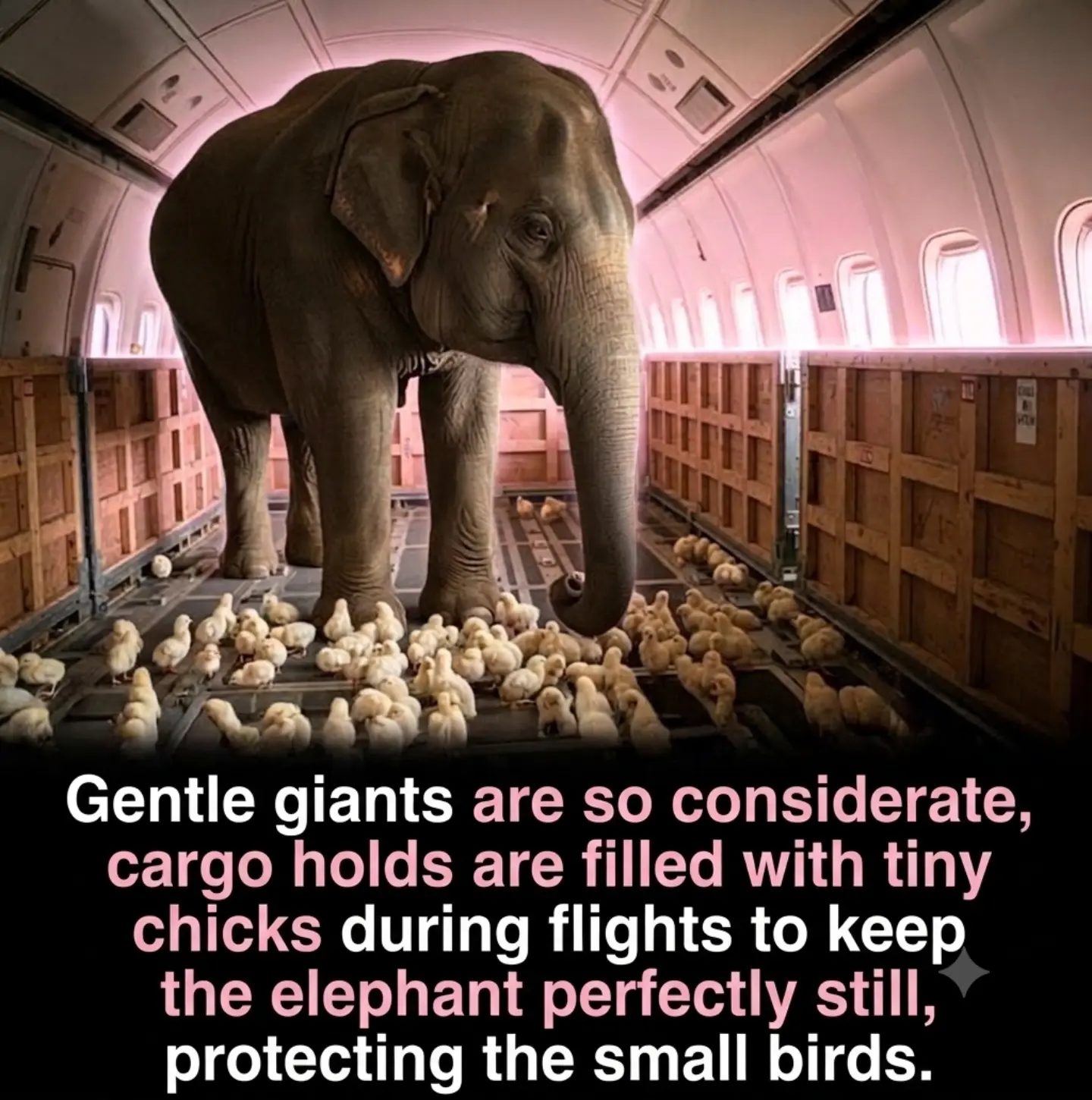
Elephant and Chicks on a Plane
Elephants traveling on airplanes? It’s an intriguing idea, and one story in particular has captivated audiences: the myth of elephants flying with chicks. The story goes that tiny chicks are used to keep elephants calm and still during flights, preventing them from moving around and potentially causing danger. This story might seem heartwarming, but it’s actually a myth.
Why This Matters
The myth not only highlights the fascinating connection between humans and elephants but also shows how misinformation can spread, especially about animals. The story is connected to how people perceive animal transport. Understanding the truth helps dispel misconceptions and illuminate the actual practices involved in transporting large animals safely and humanely.
The Truth Behind the Myth
The Origin of the Myth
The Internet is filled with stories about elephants being transported with chicks. These stories suggest that tiny chicks are placed in the cargo hold to keep the elephant still, with the elephant too afraid of stepping on the chicks. The idea is that the chicks, in turn, are protected from the elephant by these arrangements.
The Reality
In reality, transporting elephants by air is a meticulously planned and executed process. According to the International Air Transport Association (IATA) guidelines, the transportation of live animals follows strict safety protocols. Elephants are transported in custom-built, reinforced steel crates that provide both comfort and stability. These crates prevent sudden shifts in weight, ensuring the safety of the elephant and the cargo hold.
How Elephants Stay Calm During Flights
Elephants are remarkably empathetic creatures, but their calmness during flights isn’t due to the presence of chicks. Instead, trained handlers, mahouts, and veterinarians accompany them during flights. These professionals use techniques such as crate acclimation and familiar surroundings to keep the elephants calm. In some cases, mild sedation may be used if necessary to ensure a smooth, stress-free flight.
The Emotional Truth
While the chick story is a myth, it highlights the remarkable emotional depth of elephants. These gentle giants possess specialized brain cells called spindle neurons, which are associated with self-awareness, deep emotional bonds, and grief. The emotional intelligence of elephants is a testament to their complex social structures and empathy.
The Role of IATA Guidelines
IATA guidelines are crucial in ensuring the safe transportation of live animals, including elephants. The guidelines cover everything from crate design to the handling procedures. Custom-built, reinforced steel crates are specifically designed to provide comfort while preventing sudden shifts in weight. Trained handlers, mahouts, and veterinarians work together to ensure the elephants are calm and safe during the journey.
The Importance of Proper Handling
Proper handling is a key factor in transporting elephants safely. Trained handlers and mahouts use their expertise to keep the elephants calm and comfortable. Mahouts, who have a deep bond with elephants, play a crucial role in ensuring the well-being of the animals during transportation. Their familiarity with the elephants helps in managing any stress or anxiety.
The Use of Sedation
In some cases, mild sedation may be used to ensure a smooth, stress-free flight. This is a carefully monitored process carried out by veterinarians. Sedation is only used when necessary and is part of the overall strategy to keep the elephants calm and safe during the journey.
Practical Tips for Animal Transportation
Safe and humane animal transportation involves several key factors:
Pre-Transport Preparation
Before transportation, animals should be acclimated to their crates. This helps them feel more comfortable and reduces stress during the journey. Familiar surroundings and objects can also help keep the animals calm.
Role of Professionals
The presence of trained handlers, mahouts, and veterinarians is essential. Their expertise ensures that the animals are safe and comfortable throughout the journey. Regular check-ins and monitoring are crucial to maintaining the well-being of the animals.
Comfortable and Secure Crates
Custom-built, reinforced steel crates provide both comfort and security. These crates are designed to prevent sudden shifts in weight, ensuring the safety of the animals and the cargo hold.
Important Takeaways
Elephants flying with chicks might be a fascinating myth, but the reality of transporting these gentle giants is grounded in meticulous planning and strict safety protocols. Understanding the true methods used to transport elephants helps dispel misconceptions and highlights the importance of proper handling and care. The emotional depth and empathy of elephants remind us of the need for compassionate and humane practices in animal transportation.
Conclusion
The myth of elephants flying with chicks tells a heartwarming story, but the reality of their transportation is a testament to human ingenuity and compassion. By understanding the actual practices and protocols involved in transporting these remarkable creatures, we gain a deeper appreciation for the care and effort required to ensure their well-being. Elephants are not just physically impressive animals; they are also emotionally intelligent, and their transportation reflects the need for humane and considerate practices.
Watch the Reel
Questions readers ask
How are elephants typically transported by air?
Elephants are usually transported by air using specialized crates designed to keep them secure and comfortable. They are placed in the cargo hold of the aircraft, where they are monitored for any signs of discomfort or stress during the flight. This method ensures the safety and well-being of the elephant throughout the journey.
Why is the story of elephants flying with chicks considered a myth?
The story of elephants flying with chicks is considered a myth because it is widely shared as a fact but does not align with the actual practices of elephant air transport. It is an incorrect narrative that has gained traction, likely due to its charming appeal, despite having no basis in reality.
What is the purpose of transporting elephants by air?
Elephants are transported by air for various reasons, such as relocation to new habitats, reuniting with other elephants, or for veterinary care. This method of transport is often the safest and quickest way to move these large animals over long distances, ensuring minimal stress and discomfort.
Can chicks or other animals help calm elephants during air travel?
No, chicks or other animals do not help calm elephants during air travel. Elephants are often transported with the use of sedatives and specialized handling techniques. The myth of using chicks to keep them calm is a misconception, and in reality, elephants are transported in a manner that prioritizes their safety and comfort.
What safety measures are taken when transporting elephants by air?
When transporting elephants by air, several safety measures are taken, including using specialized crates, monitoring the elephant's condition during the flight, and ensuring the cargo hold is climate-controlled. The elephant is usually sedated to prevent stress and minimize movement, which could pose a danger to the animal and the flight.
How was the myth of elephants flying with chicks debunked?
The myth of elephants flying with chicks was debunked through research and expert analysis that revealed the true methods of elephant air transport. By examining the actual practices used in transporting these large animals, it became clear that the story of using chicks to calm elephants during flights was a fiction. This debunking helped to correct misconceptions about animal transport.
What is the elevator mishap story related to elephant air travel?
The elevator mishap story related to elephant air travel is a separate tale about an elephant being transported by elevator in a crate that was too large. As a result, the elevator became stuck between floors. This story, while not involving air travel, highlights the complexities and challenges of transporting large animals safely and humanely.
Related deep dives
Similar reads based on topic and creator.




Recent articles
Fresh deep dives from the latest Reels we unpacked.


Comments
Be the first to comment.