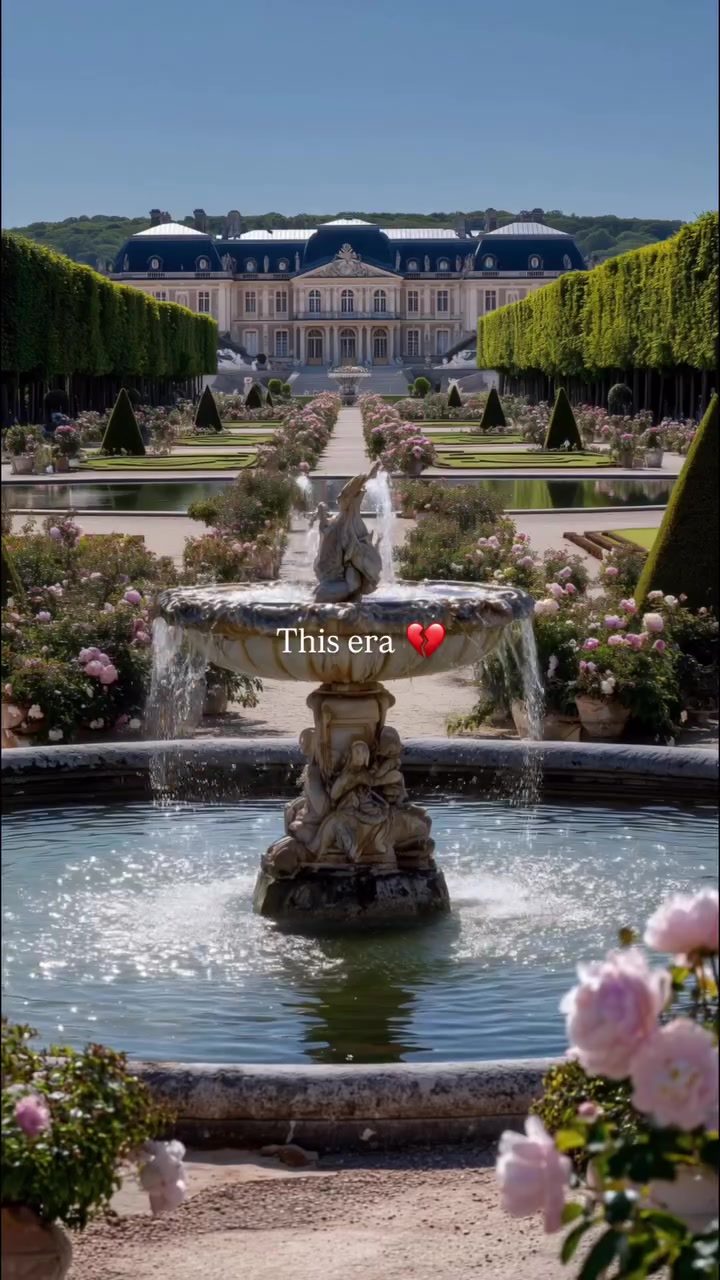
Romantic European Architecture and Gardens
European architecture and gardens are renowned for their opulent beauty and romantic allure. These scenic landscapes, often steeped in history and elegance, evoke a sense of tranquility and timelessness that captivates the imagination.
Context / Why this matters
Romantic European architecture and gardens hold significant cultural and aesthetic value. They serve as breathtaking backdrops for various cultural events, literary works, and artistic expressions. These spaces often inspire a sense of wonder and serenity, making them popular destinations for travelers and locals alike. Understanding and appreciating these architectural and natural wonders can enrich one's cultural understanding and provide a deeper connection to the past.
Main discussion
The Allure of European Gazebos
One of the most enchanting features showcased in these European landscapes is the gazebo. Gazebos are often nestled in lush gardens, surrounded by blooming flowers and greenery. They serve as charming retreats, offering a quiet space to reflect or enjoy the beauty of nature. The gazebo depicted with horses grazing nearby adds an element of tranquility and harmonious coexistence with the natural world.
Grand Staircases and Floral Decor
Another striking element of European architecture is the grand staircase, often adorned with flowers. These architectural marvels not only serve as functional structures but also as artistic focal points. The intricate design and the delicate floral arrangements create a visually stunning and romantic atmosphere. These staircases are ubiquitous in palaces and grand mansions, symbolizing elegance and sophistication.
Pavilion Structures and Water Features
Pavilions set over water are another iconic feature of European gardens. These structures often combine architectural beauty with the soothing presence of water, creating a serene and contemplative environment. Pavilions provide a unique perspective of the surrounding landscape and can be used for various purposes, from leisurely strolls to private gatherings.
The Majesty of Palace Exteriors
Palace exteriors are quintessential examples of European architectural grandeur. These imposing structures, often characterized by their elaborate facades and expansive grounds, are a testament to the opulence and grandeur of European nobility. The majestic palace exteriors, adorned with intricate details and surrounded by lush gardens, offer a sense of timeless beauty and elegance.
Practical tips
Planning a Visit
When planning a visit to these iconic locations, consider the best time of year to visit. Spring and summer offer the most vibrant floral displays and pleasant weather for outdoor activities. Research the opening hours and any special events or exhibitions that might be taking place during your visit.
Photographic Opportunities
For photography enthusiasts, capturing the beauty of these locations requires careful planning. Early morning or late afternoon light can provide the best opportunities for stunning photographs. Be mindful of crowds and plan your shots accordingly to avoid unwanted distractions in your images.
Appreciating the Details
European architecture and gardens are rich in detail. Pay close attention to the intricate carvings, floral arrangements, and architectural elements. These details often tell stories about the history and culture of the region, adding depth to your experience.
Important takeaways
European architecture and gardens offer a unique blend of natural beauty and architectural elegance. From grand staircases to majestic pavilions, these romantic settings evoke a sense of timeless beauty and tranquility. Whether you are a traveler, an architecture enthusiast, or simply someone looking to immerse yourself in the elegance of a bygone era, these landscapes provide an unforgettable experience.
The scene depicted with the quote "I will look for you in every lifetime and love you tomorrow" amplifies the romantic and timeless nature of these settings. It reminds us of the enduring beauty and significance of these European architectural and natural wonders.
Conclusion
Romantic European architecture and gardens are more than just tourist attractions; they are living testaments to the enduring beauty and elegance of human design. By appreciating and visiting these iconic locations, one can gain a deeper understanding of the rich cultural heritage and natural beauty that Europe has to offer.
Watch the Reel
Questions readers ask
What are some iconic examples of European garden design?
Iconic examples of European garden design include the Gardens of Versailles in France, the Boboli Gardens in Italy, and the Royal Botanic Gardens in the United Kingdom. These gardens are renowned for their meticulous landscaping, historic significance, and integration with opulent European architecture.
How has luxury European architecture influenced modern design?
Luxury European architecture, such as the grand palaces and châteaux of France and Italy, has greatly influenced modern design through its emphasis on symmetry, grand proportions, and ornate detailing. Many contemporary architects and designers draw inspiration from these historic styles to create elegant and timeless spaces.
What role do European garden gazebos play in landscape design?
European garden gazebos serve as picturesque focal points and functional structures in landscape design. Often integrated with scenic European landscapes, they provide shaded seating areas, frame beautiful views, and add a touch of romance and charm to the overall garden aesthetic.
Why are European garden and architecture tours popular among travelers?
European garden and architecture tours are popular because they offer a unique blend of history, beauty, and cultural immersion. These tours provide insights into European garden history and architecture, allowing visitors to explore iconic structures and lush gardens, and to appreciate the opulent beauty and romantic allure of these destinations.
What makes European garden architecture unique?
European garden architecture is unique due to its harmonious blend of nature and design, often featuring intricate landscaping, formal gardens, and ornate architectural elements. This style is deeply rooted in history, with many gardens designed to complement and enhance the surrounding architecture, creating tranquil and visually stunning landscapes.
How have European garden and architecture styles evolved over time?
European garden and architecture styles have evolved significantly over time, reflecting changes in artistic trends, cultural influences, and technological advancements. From the formal gardens of the Renaissance to the more naturalistic landscapes of the Romantic period, these styles continue to inspire and influence modern design, showcasing the enduring appeal of European garden architecture.
What are some must-see icons of European gardens and architecture?
Some must-see icons of European gardens and architecture include the Palace of Versailles in France, the Alhambra in Spain, and the Villa d'Este in Italy. These sites are celebrated for their opulent beauty, rich history, and stunning design, offering visitors a glimpse into the grandeur and romance of European garden and architecture styles.
Related deep dives
Similar reads based on topic and creator.




Recent articles
Fresh deep dives from the latest Reels we unpacked.




Comments
Be the first to comment.