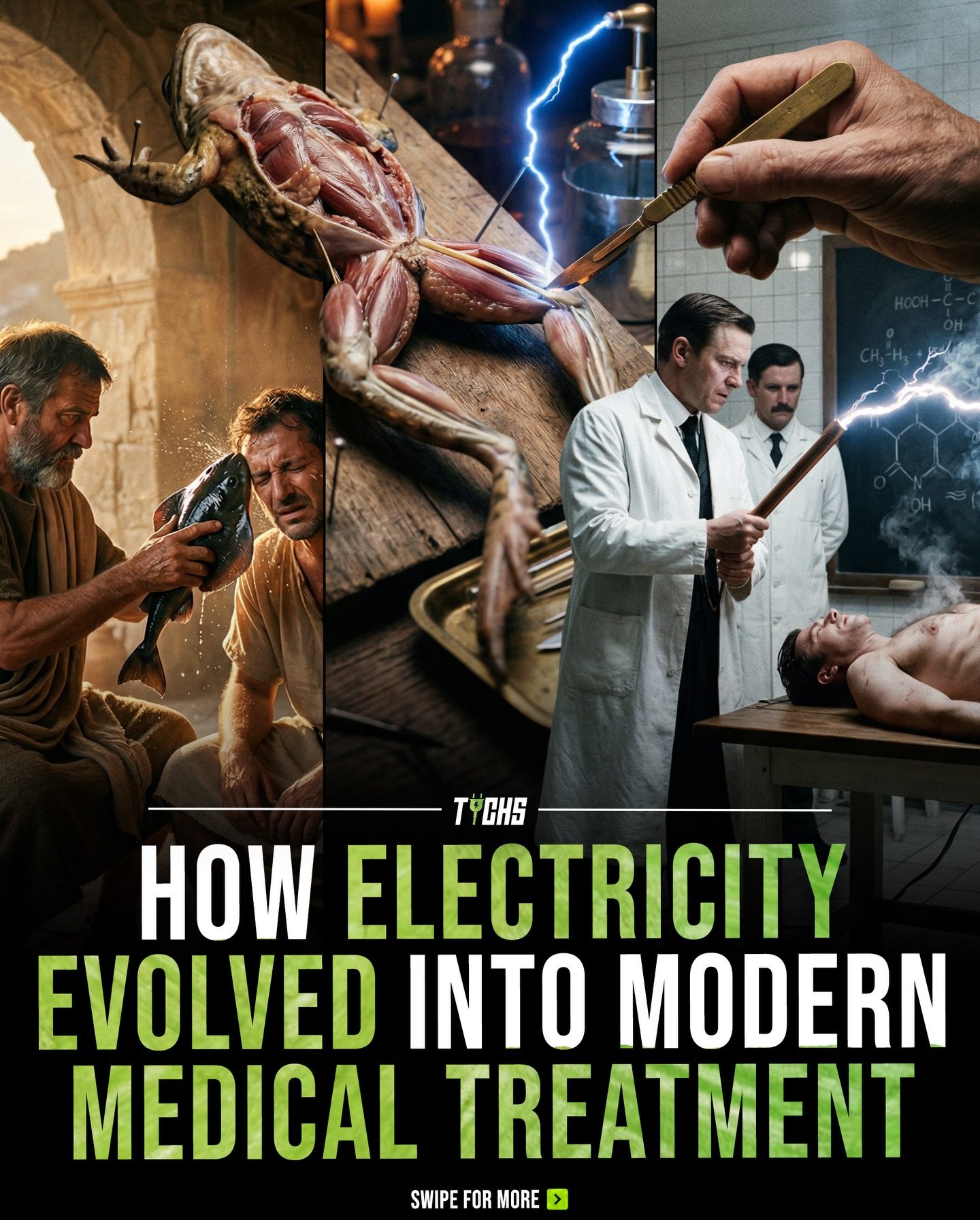
Evolution of Electricity in Medicine
The journey of electricity in medicine is a fascinating tale of innovation, spanning from ancient experiments to cutting-edge modern treatments. This evolution showcases how scientific curiosity has transformed electricity into a powerful tool for healthcare.
Context / Why this matters
Understanding the historical use of electricity in medicine provides valuable context for appreciating today's advancements. By exploring key milestones, we can see how scientific discoveries and technological breakthroughs have shaped modern medical practices.
Main discussion
Ancient Beginnings
The story of electricity in medicine begins in ancient times. Around 46 CE, Scribonius Largus, a Roman physician, used electric fish to relieve pain. This early observation of electrical phenomena paved the way for future explorations. The comparison between the electric fish and electricity would later inspire researchers to consider its potential in medicine.
Early Electrical Discoveries
In the late 18th century, significant progress was made in understanding electricity. Luigi Galvani's discovery of electrical stimulation in frog muscles in 1780 marked a pivotal moment. This finding showcased the potential of electricity in inducing muscle contractions, which would later inspire the development of various electrotherapy devices.
The Victorian Era and Electrotherapy
By 1802, Thomas Gale began promoting the use of electricity to treat various conditions, including rheumatism, gout, tumors, and headaches. The Victorian era saw a proliferation of electrotherapy devices, though their effectiveness was often unproven. Despite the mixed results, these devices laid the groundwork for future medical innovations.
The First Pacemaker
Another groundbreaking invention was the pacemaker, which was first implanted in 1958. This device uses controlled electrical impulses to regulate heartbeats, offering a lifesaving solution for patients with cardiac issues.
Electroconvulsive Therapy (ECT)
Electroconvulsive therapy (ECT) emerged in 1938, introduced by Ugo Cerletti and Lucio Bini. It was developed as a treatment for psychiatric disorders, particularly severe depression and schizophrenia. Though controversial, ECT has been proven effective in some cases, providing relief to patients who have not responded to other treatments. This therapy involves passing electrical currents through the brain to induce controlled seizures, which can help alleviate symptoms of certain mental health conditions.
Defibrillation
In 1899, defibrillation was first used to treat cardiac arrest. This technique involves delivering an electric shock to the heart to restore a normal rhythm, making it a crucial tool in emergency medicine.
Modern Bioelectronic Medicine
Today, bioelectronic medicine leverages controlled electrical impulses to treat a wide range of conditions. From pain management to neurological disorders, this field continues to push the boundaries of what is possible with electrical stimulation.
Practical tips
Exploring Electrotherapy Devices
For those interested in the historical side of electrotherapy, exploring vintage devices can provide a unique perspective on medical history. Many of these devices are now considered antiquated, but they offer a glimpse into the early experiments that paved the way for modern treatments.
Understanding Modern Applications
To better appreciate modern bioelectronic medicine, consider learning about the various devices and techniques used today. Pacemakers, defibrillators, and neurostimulators are just a few examples of how electricity is used to treat serious conditions.
Researching Key Figures
Delving into the lives and work of key figures in the history of electricity in medicine can deepen one's understanding of this field. Researchers, physicians, and inventors like Scribonius Largus, Luigi Galvani, and Ugo Cerletti are among those who have made significant contributions.
Important takeaways
- Ancient Origins: The use of electricity in medicine began with ancient observations, such as the use of electric fish to relieve pain.
- Key Milestones: Significant breakthroughs, including Galvani's discovery of electrical stimulation and the introduction of ECT, have shaped the field.
- Modern Applications: Today, controlled electrical impulses are used to treat a variety of conditions, from cardiac issues to neurological disorders.
Conclusion
The evolution of electricity in medicine is a testament to human ingenuity and the relentless pursuit of knowledge. From ancient experiments to modern bioelectronic medicine, the journey of electricity in healthcare is a story of innovation and progress. By understanding this history, we gain a deeper appreciation for the powerful tools available in modern medicine.
Watch the Reel
Questions readers ask
How did ancient civilizations first use electricity in medicine?
Ancient civilizations, notably the Romans, were the first to harness electricity for medical purposes. Around 46 CE, the Roman physician Scribonius Largus used electric fish, such as the torpedo ray, to relieve pain and treat conditions like gout and headaches. This early application laid the groundwork for future developments in electrotherapy.
What significant events marked the evolution of electricity in medicine during the 19th century?
The 19th century saw several pivotal events, including the experiments of Alessandro Volta in 1802, who developed the voltaic pile, an early type of battery. This invention enabled more controlled and measurable applications of electricity in medicine, leading to further experiments and potential medical uses. The use of electricity for medical purposes became more refined and systematic.
What was the impact of 1938 on the use of electricity in medicine?
The year 1938 marked a significant advancement in the medical use of electricity. This was the year when electroconvulsive therapy (ECT) was introduced. While controversial, ECT showcased the potential of electricity to treat mental health conditions, further expanding the applications of electricity in healthcare.
Who were some key figures in the evolution of electricity in medicine?
Several figures have played pivotal roles in advancing the use of electricity in medicine. Scribonius Largus was one of the first to document the medical use of electricity. Later, inventors like Alessandro Volta and researchers who explored electrotherapy in the 19th and 20th centuries significantly contributed to the field, leading to the development of devices like pacemakers and other life-saving medical technologies.
How has the use of electricity evolved in modern medicine?
Modern medicine has seen a significant leap in the applications of electricity. From pacemakers and defibrillators to deep brain stimulation and transcranial magnetic stimulation (TMS), electricity is now used to treat a wide range of conditions, including heart issues, neurological disorders, and pain management. This evolution highlights the role of curiosity and technological advancements in shaping contemporary healthcare.
What are some modern medical devices that utilize electricity?
Modern medical devices that utilize electricity include pacemakers, which regulate heart rhythms; defibrillators, which restore normal heart rhythms in emergencies; and deep brain stimulation (DBS) devices, which help manage conditions like Parkinson's disease. Additionally, technologies like transcranial magnetic stimulation (TMS) and nerve stimulation devices are used to treat various neurological and pain conditions. These devices underscore the versatility and importance of electricity in modern healthcare.
What role did electric fish play in the early medical applications of electricity?
Electric fish, such as the torpedo ray, were among the first natural sources of electricity used in medicine. These fish were employed by ancient physicians like Scribonius Largus to relieve pain and treat various ailments. The use of electric fish laid the foundation for more advanced and controlled applications of electricity in medical treatments.
Related deep dives
Similar reads based on topic and creator.




Recent articles
Fresh deep dives from the latest Reels we unpacked.




Comments
Be the first to comment.