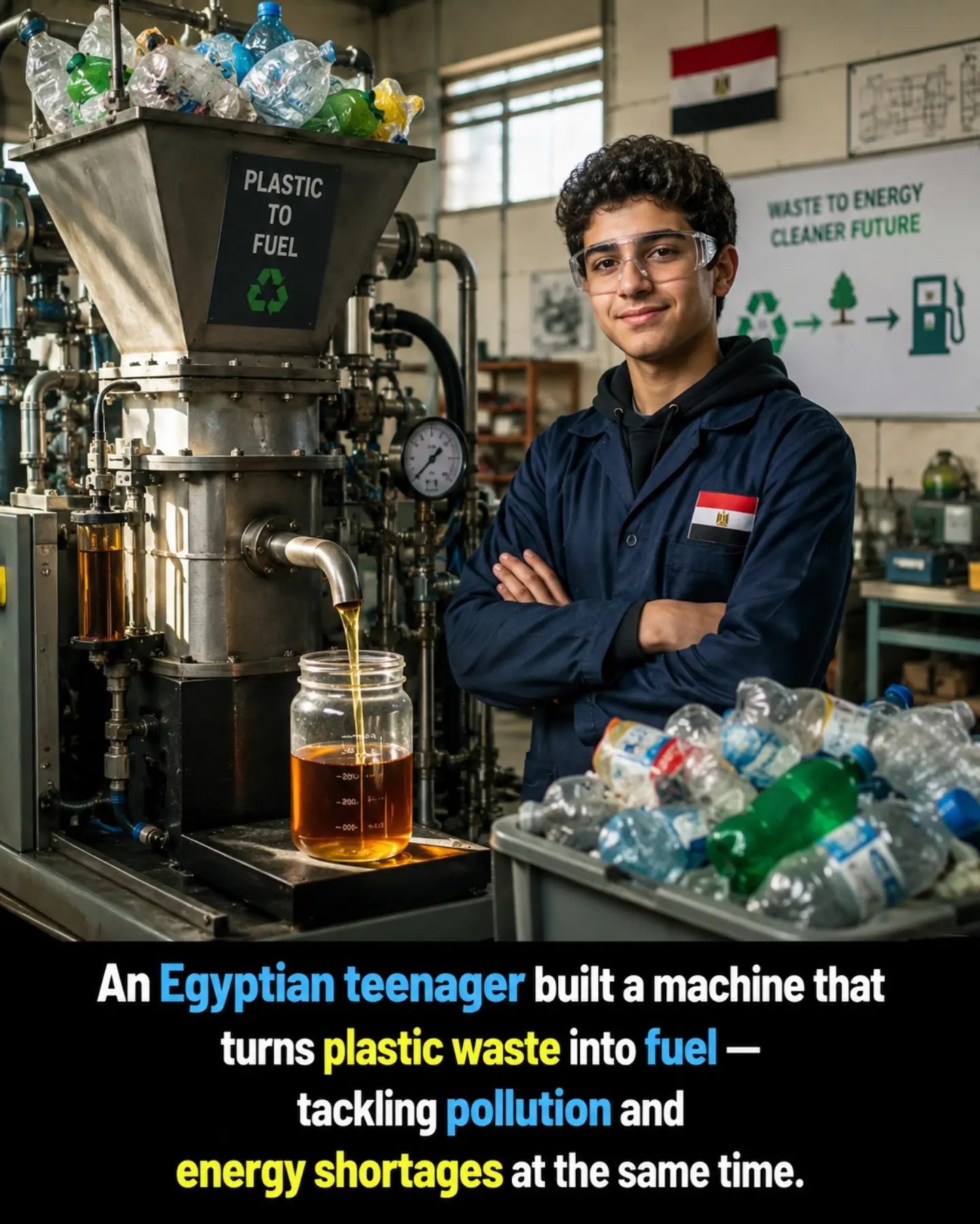
Plastic to Fuel Conversion: A Revolutionary Solution to Waste Management and Energy Shortages
Plastic waste conversion machines represent a cutting-edge solution to the global problems of pollution and energy scarcity. These innovative devices transform discarded plastics into usable fuel, offering a sustainable approach to waste management and energy production.
Context / Why This Matters
The global plastic waste problem is immense. According to the World Economic Forum, 300 million tons of plastic waste are generated annually, with only a fraction being recycled. Meanwhile, the demand for energy continues to rise, straining resources and contributing to environmental degradation.
Plastic waste conversion machines address both these issues simultaneously. By converting plastic waste into fuel, these machines help reduce the amount of plastic waste sent to landfills and incinerators, mitigating environmental pollution. Additionally, they provide a renewable energy source, helping to alleviate energy shortages and reduce dependence on fossil fuels.
Main Discussion
The Technology Behind Plastic to Fuel Conversion
Plastic waste conversion machines use a process called pyrolysis to convert plastic waste into fuel. Pyrolysis involves heating plastic in the absence of oxygen, breaking it down into smaller molecules that can be reformed into fuel. This process produces various types of fuel, including diesel, gasoline, and synthetic gas.
The specific design and operation of these machines can vary. Some machines use continuous feed systems, where plastic waste is fed into the machine at a steady rate. Others use batch processing, where a fixed amount of plastic waste is processed at a time. The choice between these systems depends on factors such as the scale of operation, the type of plastic waste being processed, and the desired type of fuel.
Environmental and Economic Benefits
The environmental benefits of plastic waste conversion are substantial. By reducing the amount of plastic waste sent to landfills, these machines help lower greenhouse gas emissions and reduce soil and water pollution. Additionally, by providing a renewable energy source, they contribute to a cleaner, more sustainable future.
Economic benefits are also significant. These machines can reduce waste management costs for municipalities and businesses by diverting plastic waste from landfills. They also create new economic opportunities, such as the sale of produced fuel and the development of new recycling and waste management technologies.
Challenges and Considerations
While plastic waste conversion machines offer numerous benefits, there are also challenges to consider. The initial cost of these machines can be high, and the technology is still evolving. Additionally, the efficiency of the conversion process can vary depending on the type of plastic waste being processed and the specific design of the machine.
Another consideration is the potential for emissions from the conversion process itself. While the overall environmental impact of these machines is positive, it's important to ensure that they are operated in a way that minimizes emissions and other negative impacts.
Case Study: An Egyptian Teenager's Innovation
One inspiring example of this technology in action comes from Egypt, where a young teenager developed a machine that converts plastic waste into fuel. This innovative solution tackles pollution and energy shortages simultaneously, demonstrating the potential of this technology to drive meaningful change.
The teenager's invention showcases a practical application of the plastic to fuel conversion process. By processing plastic bottles and other waste, the machine transforms what would otherwise be environmental pollutants into a valuable resource.
Practical Tips
Implementing Plastic to Fuel Conversion Machines
For those interested in implementing plastic waste conversion machines, several practical steps can be taken:
-
Assess Local Needs: Determine the specific waste management and energy needs of the community. This will help in selecting the right type of machine and identifying potential funding sources.
-
Choose the Right Technology: Research different types of plastic waste conversion machines to find the one that best meets local needs. Consider factors such as the type of fuel produced, the scale of operation, and the efficiency of the conversion process.
-
Secure Funding: Explore funding opportunities, such as grants, loans, and partnerships with local businesses and organizations. Many governments and NGOs offer financial support for sustainable waste management and energy projects.
-
Engage Stakeholders: Involve local communities, schools, and businesses in the implementation process. Educating the public about the benefits of plastic to fuel conversion can help build support and ensure the project's success.
-
Monitor and Evaluate: Regularly monitor the operation of the machine and evaluate its impact on waste management and energy production. This will help in identifying areas for improvement and ensuring the machine's long-term sustainability.
Important Takeaways
Plastic waste conversion machines offer a powerful solution to the global challenges of plastic pollution and energy scarcity. By converting plastic waste into usable fuel, these machines contribute to a cleaner, more sustainable future. However, it's crucial to consider the challenges and ensure that these machines are operated in an environmentally responsible manner.
Conclusion
The advent of plastic waste conversion machines represents a significant step forward in the fight against plastic pollution and energy shortages. These innovative devices offer a sustainable solution to waste management and energy production, providing numerous environmental and economic benefits.
As technology continues to advance, the potential for plastic waste conversion machines to drive meaningful change will only grow. By embracing this technology and investing in its development, we can create a cleaner, more sustainable future for all.
Watch the Reel
Questions readers ask
How does the plastic to fuel conversion process work?
The plastic to fuel conversion process involves heating plastic waste in the absence of oxygen, a method known as pyrolysis. This process breaks down the plastic into smaller molecules, which are then condensed and refined into usable fuel. The resulting fuel can be used in various applications, such as powering vehicles or generators.
What are the benefits of using a plastic to fuel conversion machine?
Plastic to fuel conversion machines offer numerous benefits. They help reduce plastic waste in landfills and oceans, decrease greenhouse gas emissions, and provide a renewable energy source. Additionally, these machines can contribute to energy independence and create job opportunities in recycling and waste management sectors.
Who is the Egyptian teenage inventor, and what inspired him to create the plastic to fuel machine?
The Egyptian teenage inventor is Azza Farrag. She was inspired by the overwhelming amount of plastic waste in her community and the lack of effective waste management solutions. Her invention aims to tackle both plastic pollution and energy demands by transforming discarded plastics into usable fuel.
What types of plastic can be converted into fuel?
Most types of plastic can be converted into fuel, including polyethylene, polypropylene, polystyrene, and PET. These plastics are commonly used in packaging, bottles, and containers. However, the efficiency of the conversion process may vary depending on the type and quality of the plastic waste.
Can plastic to fuel conversion machines make a significant impact on global plastic pollution?
Yes, plastic to fuel conversion machines can make a significant impact on global plastic pollution. By providing an alternative way to manage plastic waste, these machines can help reduce the amount of plastic sent to landfills and oceans. Additionally, they can decrease the demand for new plastic production, further contributing to pollution reduction.
What are the energy demands that these machines can help solve?
Plastic to fuel conversion machines can help solve energy demands by producing renewable fuel that can be used to power vehicles, generators, and other machinery. This sustainable fuel source can reduce dependence on fossil fuels and contribute to a more sustainable energy landscape.
What are the environmental impacts of using fuel derived from plastic waste?
Using fuel derived from plastic waste can have several positive environmental impacts. It reduces the volume of plastic waste in landfills and oceans, decreases greenhouse gas emissions associated with plastic production and disposal, and lowers the demand for fossil fuels. Additionally, it can help mitigate the environmental damage caused by plastic pollution, such as harm to marine life and ecosystems.
Related deep dives
Similar reads based on topic and creator.




Recent articles
Fresh deep dives from the latest Reels we unpacked.




Comments
Be the first to comment.