The Ancient Craft of Transforming Water Buffalo Hide into Natural Plastic
Water buffalo hide might seem like an unlikely candidate, but it is the star of a nearly 1,000-year-old Pakistani craft that transforms natural collagen into a plastic-like material without using petroleum. This remarkable process involves several steps, each vital to creating a durable and eco-friendly bioplastic. As we delve into this fascinating craft, we'll explore its historical roots, the transformation process, and its modern applications.
Why This Matters
Long before the advent of modern plastics, artisans in Pakistan were mastering their craft, transforming water buffalo hide into a usable material. Understanding this ancient process provides a glimpse into sustainable practices, fostering appreciation for traditional craftsmanship, and offers insights into environmentally friendly alternatives to petroleum-based plastics.
The Craft: From Hide to Bioplastic
The Initial Preparation
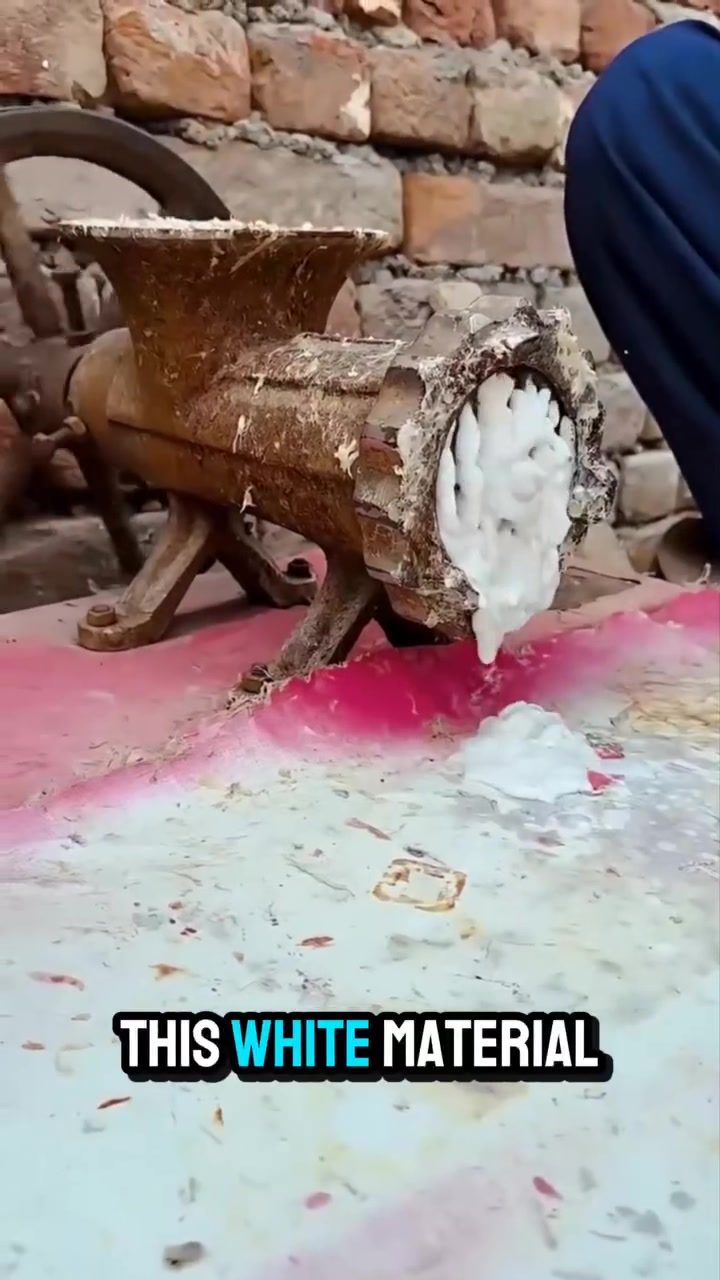
The process begins with water buffalo hide, which is cut into small pieces. These pieces are then soaked in an alkaline solution, which removes impurities like fat, blood, and bacteria. This step leaves behind pure protein, setting the stage for the transformation process. The hide pieces are then carefully coated with a layer of processed hide, ensuring every gap is covered.
The Drying Process
After coating, the hide pieces are left to dry under the hot sun. This crucial step allows the water to evaporate, as the collagen fibers naturally bond together. Over several days, the material hardens, forming a durable bioplastic. This natural process eliminates the need for synthetic chemicals, making it an eco-friendly alternative to petroleum-based plastics.
Historical Usage
The technique used in this craft dates back more than 900 years, to the time of desert nomads near the ancient city of Mouton. These nomads employed this method to create containers for storing ghee, a type of clarified butter. The process became essential for preserving food and other perishable items in harsh desert conditions.
The artisans later discovered that this bioplastic could be transformed into elegant lampshades, hand-painted with intricate traditional designs. These lampshades not only served functional purposes but also became a showcase of the artisans’ skill and creativity.
Modern Applications and Evolution
Versatile Uses
The bioplastic derived from water buffalo hide has a surprising range of applications. From containers to decorative items, the versatility of this material makes it a valuable resource. The process can be adapted to create various products, from everyday household items to artisanal crafts, ensuring that this ancient knowledge continues to thrive in modern times.
Environmental Impact
One of the most significant advantages of this craft is its minimal environmental impact. By using natural materials and processes, it avoids the harmful byproducts associated with petrochemical-based plastics. This makes it a sustainable and eco-friendly option for those looking to reduce their environmental footprint.
Practical Tips
Exploring this ancient craft can be both a rewarding and insightful experience. Here are some practical tips for those interested in delving into this art:
Gathering Materials
Ensure you have access to fresh water buffalo hide, as the quality of the material significantly impacts the final product. Additionally, gather the necessary alkaline solutions and containers for the soaking process.
Pre-Processing
Carefully cut the hide into small pieces and ensure thorough cleaning to remove any impurities. This step is crucial for the successful bonding of the collagen fibers.
Drying Technique
The drying process requires patience. Place the coated hide pieces in a sunny, well-ventilated area, allowing the water to evaporate naturally. Regularly check the material to ensure it is drying evenly.
Finishing Touches
Once the bioplastic is formed, you can shape it into various forms, from containers to decorative pieces. Experiment with different designs to explore the full potential of this versatile material.
Important Takeaways
Understanding the transformation of water buffalo hide into a natural plastic-like material highlights the ingenuity of ancient artisans. This process, rooted in sustainability and craftsmanship, offers a model for modern eco-friendly practices. By appreciating and preserving this craft, we can continue to learn from traditional methods and integrate them into contemporary life.
Conclusion
The nearly 1,000-year-old Pakistani craft of transforming water buffalo hide into a durable bioplastic is a testament to human creativity and resourcefulness. This process, which predates modern plastics, demonstrates how natural materials can be used to create functional and aesthetically pleasing products. As we continue to explore sustainable alternatives, the lessons from this ancient craft provide valuable insights into eco-friendly manufacturing. By embracing and preserving this craft, we honor the legacy of past artisans and contribute to a more sustainable future.
Watch the Reel
Questions readers ask
What is the origin of the bioplastic made from water buffalo hide?
The bioplastic made from water buffalo hide originates from an ancient Pakistani craft that dates back nearly 1,000 years. This traditional process has been passed down through generations, providing a unique and sustainable way to create durable materials from natural sources.
How is the water buffalo hide transformed into bioplastic?
The transformation process involves several steps that convert the natural collagen found in water buffalo hide into a plastic-like material. This process is petroleum-free, making it an eco-friendly alternative to conventional plastics.
What makes this bioplastic eco-friendly?
This bioplastic is eco-friendly because it is derived from natural collagen in water buffalo hide, avoiding the use of petroleum. This makes it a sustainable and biodegradable alternative to traditional plastics, contributing to a greener environment.
What are the modern applications of this ancient bioplastic?
The bioplastic made from water buffalo hide has a variety of modern applications. Its durability and versatility make it suitable for use in everyday items, from packaging materials to decorative objects, showcasing its practicality in contemporary settings.
Why is the 1,000-year-old craft significant today?
The 1,000-year-old craft is significant today because it offers a sustainable and eco-friendly alternative to petroleum-based plastics. By understanding and preserving this ancient process, we can learn valuable techniques for creating durable materials from natural resources.
Can this bioplastic process be applied to other animal hides?
While the traditional craft focuses on water buffalo hide, the process of converting natural collagen into bioplastic can potentially be applied to other animal hides. This could open up new avenues for creating sustainable and eco-friendly materials from various natural sources.
How does the durability of this bioplastic compare to traditional plastics?
The bioplastic created from water buffalo hide is known for its durability, making it a strong alternative to traditional plastics. Its resilience and strength make it suitable for a wide range of applications, ensuring it can withstand daily use and wear.
Recent articles
Fresh deep dives from the latest Reels we unpacked.




Comments
Be the first to comment.