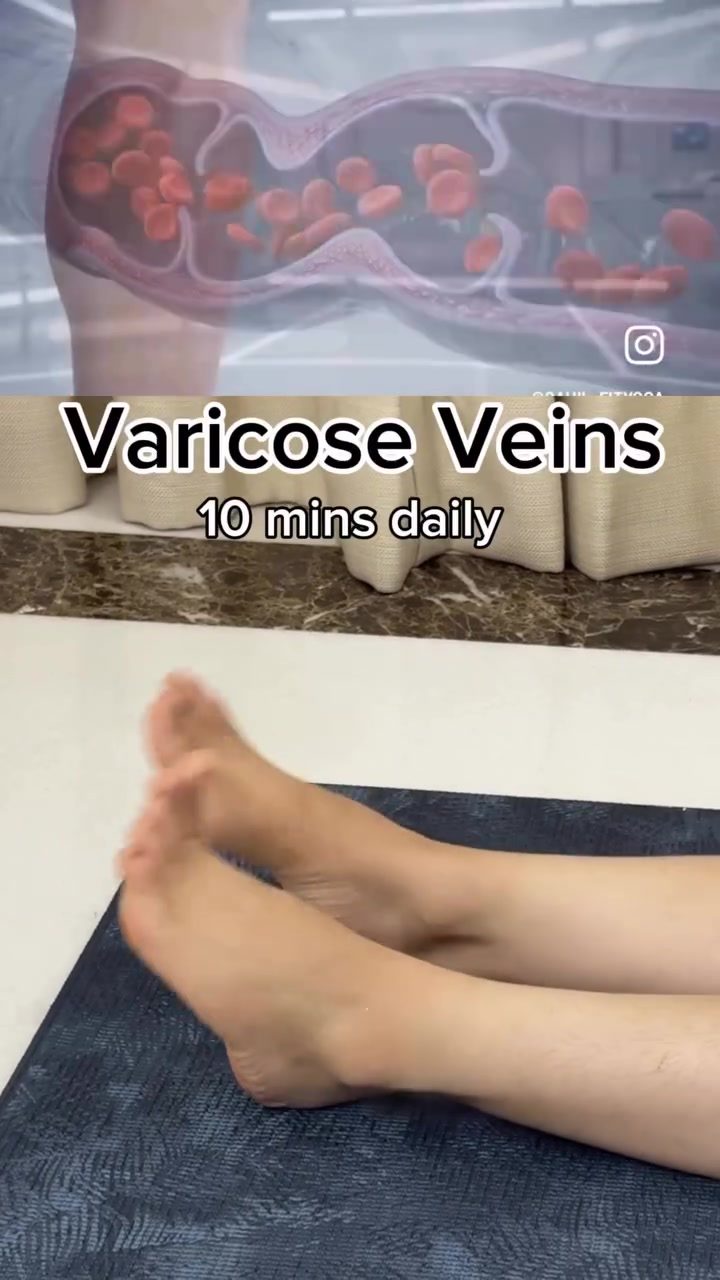
Varicose Veins
Varicose veins are a common condition that affects millions of people worldwide. These enlarged, twisted veins typically appear in the legs and feet, causing discomfort and often posing cosmetic concerns. While varicose veins can be managed with medical treatments, incorporating simple exercises and lifestyle changes can significantly improve symptoms and overall well-being.
Why This Matters
Understanding and addressing varicose veins is crucial for maintaining leg health and mobility. This condition can lead to various issues, including swelling, pain, and even ulcers if left untreated. By adopting a daily routine of targeted exercises and integrating structured workouts, individuals can alleviate symptoms and enhance their quality of life. Regular exercise not only helps in managing varicose veins but also contributes to overall cardiovascular health, weight management, and mental well-being.
Main Discussion
Understanding Varicose Veins
Varicose veins occur when the valves in the veins that carry blood back to the heart become weakened or damaged. This causes blood to pool in the veins, leading to their enlargement and twisting. Factors such as genetics, age, pregnancy, obesity, and prolonged standing or sitting can increase the risk of developing varicose veins. While they are more common in the legs, varicose veins can also appear in other parts of the body.
The Role of Exercise
Exercise plays a pivotal role in managing varicose veins. Regular physical activity helps improve blood circulation, which is essential for reducing the symptoms of varicose veins. Engaging in a structured workout routine that includes exercises specifically designed for leg health can strengthen the muscles and veins, promoting better blood flow and reducing the risk of complications.
Practical Tips
Simple Exercises for Varicose Veins
To effectively manage varicose veins, try incorporating the following exercises into your daily routine:
-
Leg Raises: Lie on your back with your legs extended. Slowly lift one leg a few inches off the ground, hold for a moment, and then lower it back down. Repeat with the other leg. This exercise helps strengthen the leg muscles and improve circulation.
-
Calf Raises: Stand on a step or raised surface and lower your heels until you feel a stretch in your calves. Then, rise onto your toes, holding for a moment before lowering back down. This exercise targets the calf muscles, which are crucial for supporting the veins in the legs.
-
Ankle Circles: Sit in a chair and lift one foot slightly off the ground. Rotate your ankle in a circular motion, first clockwise and then counterclockwise. Repeat with the other foot. This exercise helps improve blood flow and reduce swelling.
-
Walking: Regular walking is one of the best exercises for improving circulation and managing varicose veins. Aim for at least 30 minutes of brisk walking daily. You can break this up into shorter walks throughout the day if needed.
Structured Workout Routine
In addition to these targeted exercises, integrating a structured workout routine can further enhance your leg health. Yoga, for instance, offers a range of poses that promote circulation and strengthen the muscles in the legs and core. Some beneficial yoga poses for varicose veins include:
-
Downward-Facing Dog: This pose stretches the calves and hamstrings, improving blood flow to the legs.
-
Bridge Pose: This pose strengthens the glutes and hamstrings, which are essential for supporting the veins in the legs.
Incorporating these exercises into a 10-minute daily routine can help manage varicose veins effectively. Consistency is key, so aim to perform these exercises regularly to see noticeable improvements in symptoms.
Important Takeaways
- Varicose veins are a common condition that can be effectively managed with exercise and lifestyle changes.
- Regular physical activity, particularly exercises that target the leg muscles, can improve circulation and alleviate symptoms.
- Simple exercises like leg raises, calf raises, ankle circles, and walking can be incorporated into a daily routine to manage varicose veins.
- Integrating a structured workout routine, such as yoga, can further enhance leg health and overall well-being.
Conclusion
Managing varicose veins through targeted exercises and a structured workout routine can significantly improve symptoms and quality of life. By incorporating simple exercises like leg raises, calf raises, ankle circles, and walking into your daily routine, you can effectively manage varicose veins and promote better leg health. Regular physical activity not only helps alleviate symptoms but also contributes to overall cardiovascular health, weight management, and mental well-being. Start today and experience the benefits of a healthier, more active lifestyle.
Watch the Reel
Questions readers ask
What are the benefits of exercises for varicose veins?
Exercises for varicose veins help improve blood circulation, reduce swelling, and alleviate symptoms such as pain and discomfort. Regular physical activity can also prevent the progression of varicose veins and enhance overall leg health and mobility.
What specific exercises can help manage varicose veins?
Some effective exercises for managing varicose veins include calf raises, leg lifts, ankle pumps, and simple yoga poses like the downward-facing dog. These exercises target the leg muscles, promoting better blood flow and reducing pressure in the veins.
How often should I perform daily exercises for varicose veins?
Aim to perform your daily exercise routine for varicose veins at least once a day. Consistency is key in managing symptoms and improving vein health. Even a 10-minute daily workout can make a significant difference in alleviating discomfort and enhancing overall well-being.
Can yoga help with varicose veins?
Yes, certain yoga poses can be beneficial for varicose veins. Poses like the downward-facing dog, legs-up-the-wall, and bridge pose can improve circulation, reduce swelling, and alleviate symptoms. Incorporating yoga into your daily routine can provide relief and enhance leg health.
Are there simple leg exercises I can do at home for varicose veins?
Absolutely. Simple leg exercises that you can do at home include ankle rolls, toe raises, and seated knee lifts. These exercises are easy to perform and can be done in just a few minutes each day to help improve blood flow and reduce symptoms of varicose veins.
How does exercise improve blood flow in the legs?
Exercise improves blood flow in the legs by strengthening the muscles and promoting efficient circulation. When you exercise, your leg muscles contract and relax, which helps to push blood back up to the heart and reduces pressure in the veins, alleviating symptoms of varicose veins.
Can lifestyle changes alongside exercises help with varicose veins?
Yes, lifestyle changes such as maintaining a healthy weight, avoiding prolonged standing or sitting, and wearing compression stockings can complement exercises and provide additional relief from varicose veins. Incorporating these changes can enhance the benefits of your exercise routine and improve overall leg health.
Recent articles
Fresh deep dives from the latest Reels we unpacked.




Comments
Be the first to comment.