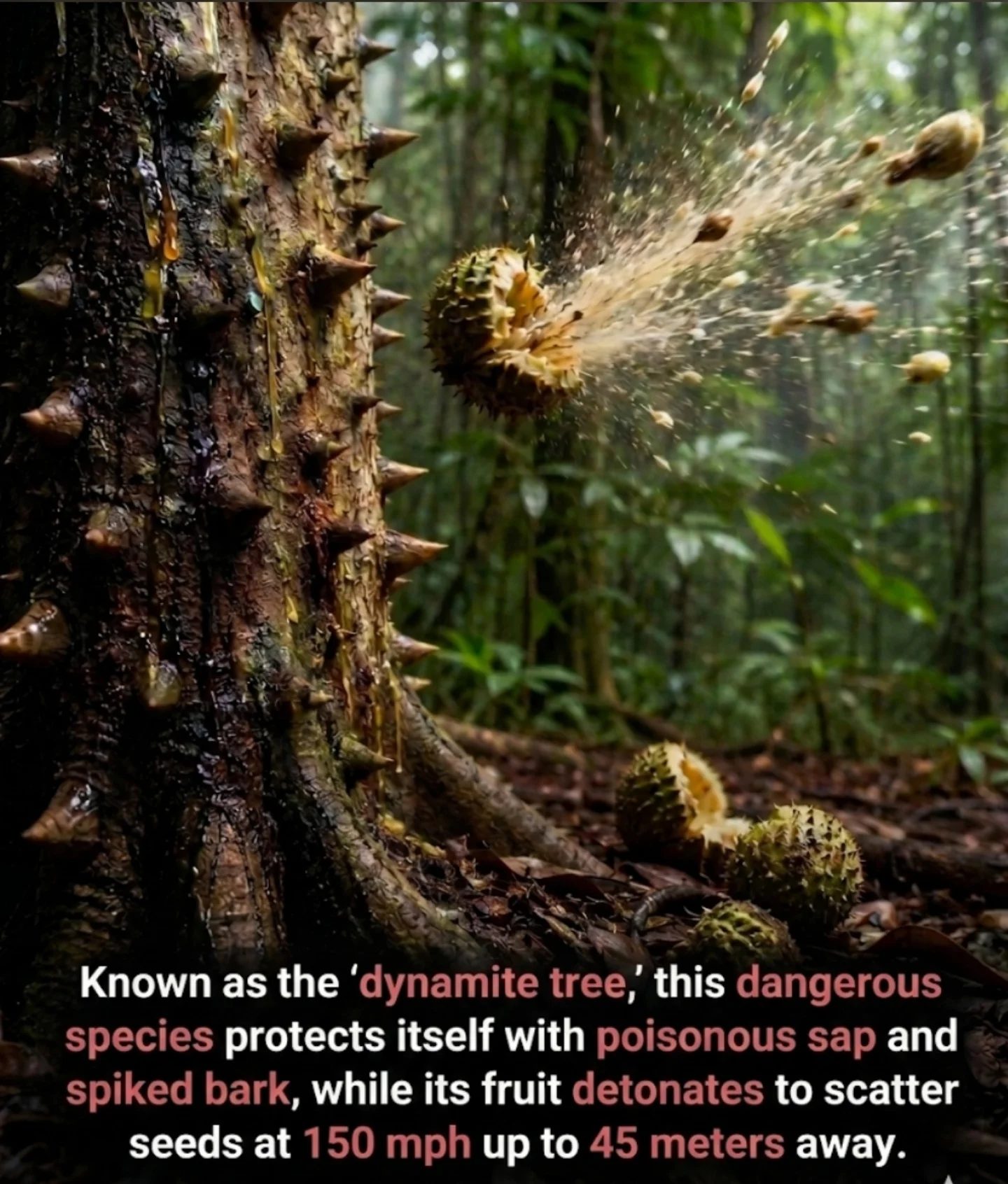
Dynamite Tree
The dynamite tree is a fascinating and peculiar species known for its unique defense mechanisms and explosive fruit. This tree, also known as the sandbox tree, is native to certain regions of Africa and is renowned for its ability to protect itself and disperse its seeds in unusual ways.
Context / Why this matters
Understanding the dynamite tree offers insights into the diverse strategies plants use to survive and propagate in various environments. Its unique features make it a subject of interest for botanists, ecologists, and nature enthusiasts alike. By examining the dynamite tree’s defense mechanisms and reproductive strategies, we can appreciate the incredible adaptations that occur in the natural world.
Main discussion
Defense mechanisms
The dynamite tree’s defense mechanisms are particularly noteworthy. It is equipped with poisonous sap and spiked bark, which act as powerful deterrents against herbivores and other potential threats. The poisonous sap can cause irritation and discomfort, making it difficult for animals to consume the tree's leaves or bark. The spiky bark, on the other hand, provides a physical barrier that makes it challenging for animals to climb or damage the tree.
Reproductive strategies
One of the most remarkable aspects of the dynamite tree is its reproductive strategy. The tree’s fruit is designed to explode, scattering seeds at high speeds. This explosive dispersal method allows the seeds to travel up to 45 meters away from the parent tree, increasing the chances of finding suitable growing conditions.
The fruit detonates at speeds of up to 150 mph, which is an astonishing feat in the plant kingdom. This explosive mechanism is triggered by the drying and hardening of the fruit’s outer layer, creating a build-up of pressure that ultimately causes the fruit to burst open. The force of the explosion propels the seeds outward, ensuring they are widely dispersed.
Ecological significance
The dynamite tree plays a crucial role in its ecosystem. Its explosive seed dispersal helps to maintain biodiversity by ensuring that seeds are distributed over a wide area, rather than being concentrated around the parent tree. This dispersal method also aids in the regeneration of the forest, as the seeds can reach areas that might otherwise be inaccessible.
Additionally, the tree's poisonous sap and spiked bark help to create a balanced ecosystem. These defense mechanisms ensure that the tree is not overgrazed by herbivores, which allows it to thrive and contribute to the overall health of the forest.
Scientific research
Scientists have studied the dynamite tree to understand its unique adaptations and the mechanisms behind its explosive fruit. Research has focused on the chemical composition of the poisonous sap, the mechanics of the explosive fruit, and the ecological implications of its seed dispersal strategy. This research has provided valuable insights into plant biology and ecology, contributing to our understanding of how plants adapt to their environments.
Practical tips
While the dynamite tree is not typically cultivated for ornamental or commercial purposes, its unique characteristics offer several practical lessons. For those interested in gardening or landscaping, understanding the defense mechanisms of native plants can help in selecting species that are resistant to pests and diseases. Additionally, learning about the reproductive strategies of plants can inform sustainable gardening practices, such as seed dispersal and propagation techniques.
Forest conservation efforts can also benefit from studying the dynamite tree. Its role in maintaining biodiversity and contributing to forest health underscores the importance of preserving natural habitats and protecting native plant species.
Important takeaways
- The dynamite tree, or sandbox tree, is known for its poisonous sap, spiked bark, and explosive fruit.
- Its explosive fruit can scatter seeds at speeds up to 150 mph and distances up to 45 meters, aiding in seed dispersal and propagation.
- The tree's defense mechanisms help to maintain a balanced ecosystem by deterring herbivores and promoting forest health.
- Studying the dynamite tree provides valuable insights into plant biology, ecology, and conservation strategies.
Conclusion
The dynamite tree is a remarkable example of the diverse adaptations that occur in the natural world. Its unique defense mechanisms and explosive fruit make it a subject of curiosity and scientific interest. By understanding the dynamite tree, we can appreciate the complexity and ingenuity of plant life and the roles that these species play in their ecosystems. Whether for scientific research, conservation efforts, or personal interest, the dynamite tree offers a wealth of information and inspiration.
Watch the Reel
Related deep dives
Similar reads based on topic and creator.




Recent articles
Fresh deep dives from the latest Reels we unpacked.




Comments
Be the first to comment.