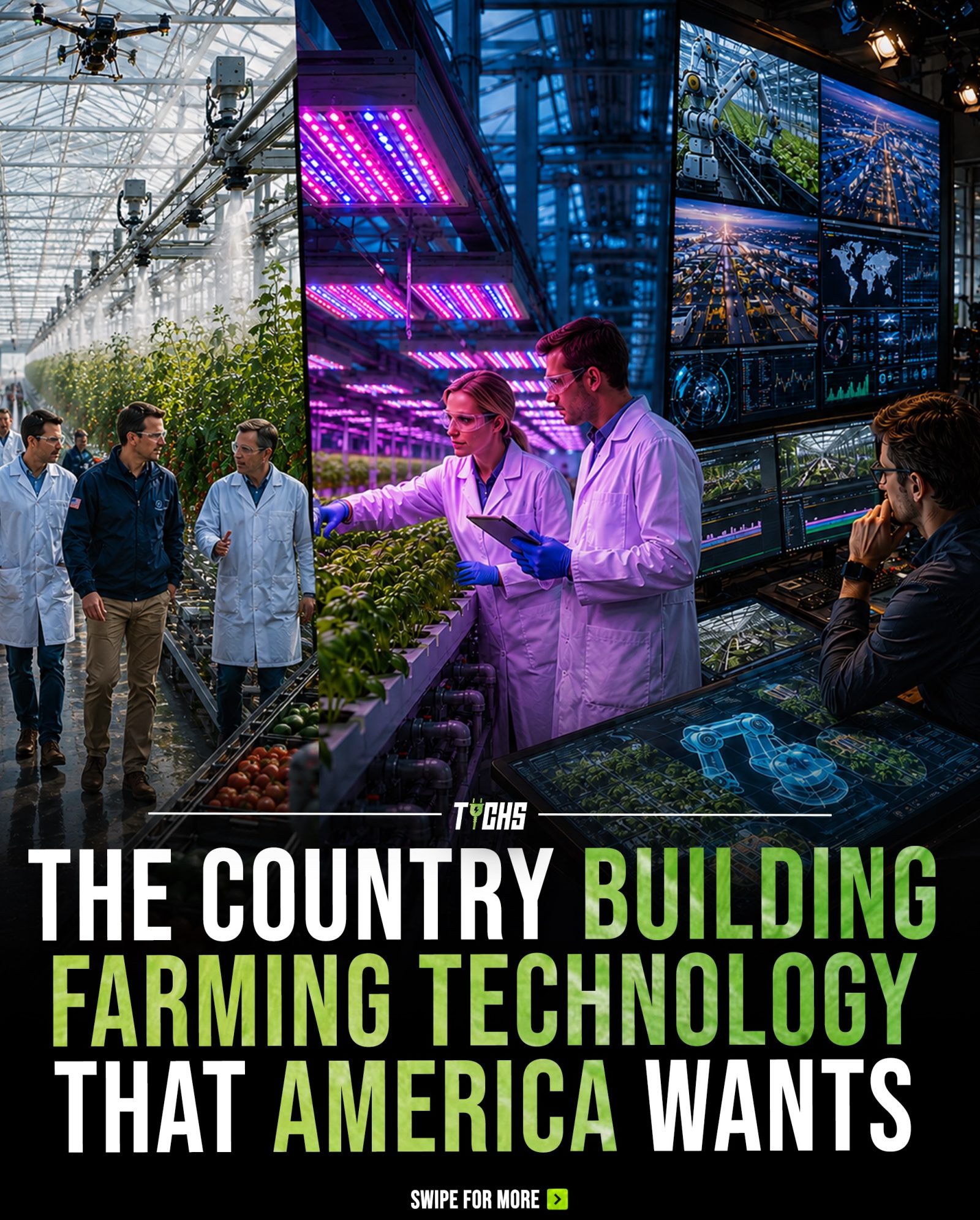
Vertical farming technology is revolutionizing agriculture around the world. By leveraging advanced technologies, vertical farms optimize crop production in controlled environments, using far less land, water, and energy than traditional farming methods. The Netherlands, in particular, has emerged as a global leader in this high-tech agricultural industry, transforming its farming landscape through AI, automation, and advanced engineering.
Why This Matters
In an era where food security and sustainability are pressing global concerns, vertical farming offers a promising solution. By growing crops in stacked layers, vertical farms can produce food in urban environments, reducing the need for arable land and the distance food travels from farm to table. This not only minimizes environmental impact but also ensures a consistent food supply even in adverse weather conditions. In the Netherlands, this approach has been taken to the next level, influencing agricultural practices across more than 150 countries, including the United States.
Understanding Vertical Farming
AI and Automation
Vertical farms like those pioneered by TYCHS utilize artificial intelligence (AI) and automation to constantly monitor and adjust environmental factors. Smart computers and AI systems manage water, temperature, airflow, and lighting to ensure optimal growing conditions 24 hours a day. These systems can fine-tune parameters in real-time, ensuring that crops receive exactly what they need to thrive. This level of precision is unmatched in traditional farming, where variability in weather and soil conditions can significantly impact yields.
Robotic Systems
Robotic systems play a crucial role in the efficiency of vertical farms. Automated carts, robotic sorters, and smart packaging systems handle major parts of farm operations daily. Robotic arms tend to the crops, performing tasks such as planting, watering, and harvesting with high precision. Self-driving robots are also used for tasks like transporting goods and conducting routine maintenance, further streamlining operations and reducing manual labor.
Controlled Environments
One of the key advantages of vertical farming is the use of controlled environments. Crops are grown under LED lights, which can be adjusted to provide the exact spectrum of light needed for optimal growth. These controlled environments also allow for the use of water recycling systems, significantly reducing water usage. The Netherlands, in particular, has developed advanced greenhouse engineering techniques that maximize the efficiency of these systems, making it possible to grow massive amounts of food with minimal resources.
Practical Tips for Implementing Vertical Farming
Optimize Lighting
LED lighting is a cornerstone of vertical farming. To get the most out of your vertical farm, invest in high-quality LED lights that can be programmed to provide the specific light spectrum needed for different types of crops. This not only enhances plant growth but also reduces energy consumption compared to traditional lighting methods.
Implement Smart Sensors
Smart sensors are essential for monitoring and adjusting environmental conditions. These sensors can track factors like temperature, humidity, and nutrient levels, providing real-time data to the control systems. By using this data, you can ensure that your crops are always in the optimal growing conditions, leading to higher yields and better quality produce.
Use Automation for Daily Tasks
Automating daily tasks can significantly increase the efficiency of your vertical farm. Robotic systems can handle everything from planting and watering to harvesting and packaging. This not only saves labor costs but also ensures consistency in the quality of the crops. Investing in self-driving robots and automated carts can further streamline operations, allowing you to focus on other aspects of your business.
Integrate AI for Precision Farming
AI can provide invaluable insights into your farming operations. By analyzing data from sensors and other sources, AI systems can predict potential issues and optimize growing conditions. This level of precision farming ensures that you are always one step ahead, ready to adapt to any changes and maximize your crop yields.
Explore Water Recycling Systems
Water recycling systems are a must for sustainable vertical farming. These systems capture and reuse water, significantly reducing the amount of water needed for farming. By integrating water recycling into your vertical farm, you can not only save on costs but also contribute to environmental sustainability.
Important Takeaways
Vertical farming represents the future of agriculture, offering a sustainable and efficient way to produce food. By leveraging AI, automation, and advanced engineering, vertical farms can achieve high yields with minimal environmental impact. The Netherlands has demonstrated the potential of this technology, influencing agricultural practices around the world and setting a standard for the future of farming.
Conclusion
The transformation of the Netherlands into an agricultural superpower highlights the power of vertical farming technology. By embracing AI, automation, and controlled environments, vertical farms can produce massive amounts of food while using far less land, water, and energy than traditional methods. As the demand for sustainable and efficient food production increases, vertical farming is poised to play a crucial role in shaping the future of agriculture. Whether you are a farmer looking to innovate or a consumer interested in sustainable food sources, understanding the potential of vertical farming is essential for navigating the future of agriculture.
Watch the Reel
Questions readers ask
How does AI contribute to vertical farming in the Netherlands?
AI optimizes vertical farming by analyzing data from sensors to monitor plant health, adjust lighting, temperature, and nutrient levels in real-time, ensuring consistent crop growth. It also helps predict harvest yields and identify potential issues before they become significant problems.
What role does automation play in Dutch vertical farming?
Automation in Dutch vertical farming involves using robots and automated systems for tasks like seeding, harvesting, and packaging. This reduces the need for manual labor and increases efficiency, precision, and consistency in crop production.
Why is the Netherlands a leader in vertical farming technology?
The Netherlands leads in vertical farming due to its advanced engineering, innovative spirit, and experience in sustainable agriculture. The country's expertise in automation, AI, and controlled-environment agriculture enables it to produce high yields with minimal resource use.
How does vertical farming address global food security concerns?
Vertical farming helps address food security by producing crops in urban areas, reducing the need for arable land, and minimizing food miles. This approach ensures a consistent food supply, even in areas with limited farmland, and can be scaled to meet growing urban populations.
What are the environmental benefits of vertical farming in urban environments?
Vertical farming reduces environmental impact by using significantly less water and land than traditional farming. It also minimizes food miles, reducing transportation emissions, and can operate in urban environments, preserving rural landscapes and promoting sustainable urban development.
How do Dutch vertical farming methods ensure water efficiency?
Dutch vertical farming methods employ advanced hydroponic, aeroponic, or aquaponic systems, which recycle water and deliver precise amounts directly to plant roots, reducing water use by up to 95% compared to conventional farming.
What are some examples of automated farming systems in Dutch vertical farms?
Automated farming systems in Dutch vertical farms include robotic arms for harvesting, automated irrigation and nutrient delivery systems, and AI-powered environmental control systems. These systems work together to optimize crop production and minimize resource use.
Related deep dives
Similar reads based on topic and creator.




Recent articles
Fresh deep dives from the latest Reels we unpacked.




Comments
Be the first to comment.