A Wilderness Pursuit
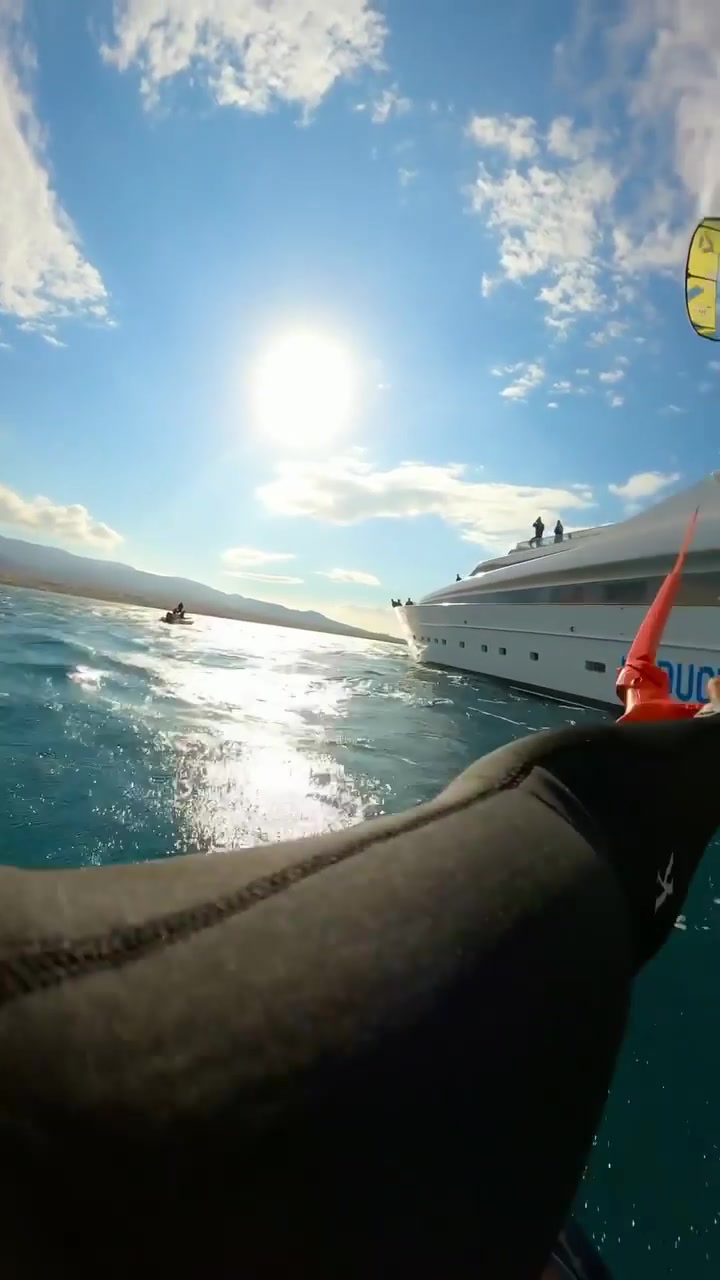
Kiteboarding is a thrilling blend of surfing and wind-powered flight, grown in popularity since it introduced itself in the '80s. At its core, kiteboarding entails harnessing the wind's power with a large kite to propel a rider — standing on a board similar to a wakeboard or a small surfboard — across the water's surface. The sport relies on wind power, kite size, and rider skill to soar at high speeds or attempt dramatic aerial maneuvers, making it a dynamic and challenging pursuit. The rider controls the kite using a four-line bar connected to a harness, which allows them to steer and adjust the kite's angle to the wind. The board, which looks like a smaller version of a wakeboard, is designed to float on the water and provide stability and maneuverability. To launch, the kiteboarder starts on the beach, unrolling the kite and launching it into the air. As the wind fills the kite, the kite pulls the rider across the water. Kiteboarding stands out from similar watersports through its unparalleled speed, aerial potential and use of wind power. While windsurfing and surfing also harness natural forces, kiteboarding’s reliance on wind and its ability to achieve incredible speeds and jumps in a relatively short timeframe set it apart. Riders can reach near impossible speeds, execute jaw-dropping jumps, and perform high-risk tricks as they hone their skills. Plus, the sport also allows riders to power across water flat calm, mirror-like seas. The rider's skill, the wind's strength, and the wave's dynamics blend to create a unique, thrilling experience.
The Rise of Water-Sport Extreme
Now, more than ever, kiteboarding is part of a broader trend in extreme water sports. The global demand for thrilling aquatic adventures has increased in recent years, with both amateurs and professionals seeking out new challenges. Kiteboarding aligns seamlessly with this trend, appealing to those who crave adventure and the exhilarating sensation of defying gravity. The appeal of the sport is not just limited to the cutting-edge experience. The sense of community among kiteboarders is strong, with enthusiasts sharing tips, techniques, and support. Local kiteboarding clubs and events create a social network for riders to learn from each other and build camaraderie. This shared passion fosters a vibrant culture where enthusiasts can gather to push their limits and enjoy the thrill of the ride. The sport blows into the mainland here: The Northern Hemisphere sees the largest volumes of kiteboarders. Spain, France, and Portugal along the Atlantic, the Canary Islands, the Black Sea coasts, and Greek Islands and Turkey. Most of North and South America takes inland lakes and rivers to kiteboarding. Brazil yet to back off North French coasts. Italian and Croatian spots are more tailored to tourist spots. Given the wind patterns, equipment choices and rider styles may vary significantly between those areas. However, the shared love of the sport brings them together.
The Wild Side of Speeding
The kiteboard, typically ranging from 120 to 170 centimeters in length, resembles a wakeboard or a smaller surfboard. It is designed to float on the water and provide stability and maneuverability. A kite used in kiteboarding is a large, controllable wing filled with air, designed for maneuverability and control. kites come in diverse sizes — from 4 meters to 18 meters in width, to accommodate a range of wind conditions and rider skill levels. The kite’s size directly impacts its lift and pull power in different conditions; larger kites are used in light winds, and smaller ones in high winds. The kite line is the lifeline of kiteboarding. The lines connect the rider’s hand-held control bar to the kite. The lengths of the lines vary typically from 18 meters to 26 meters and are made of super strong, light-weight materials. The harnass supports the rider's body by distributing the force of the kite's pull evenly, letting the rider handle the kite and control the board.
Through the Eyes of a Kiteboarder
When a kiteboarder first launches off the shore into the water, it’s like stepping into a different world. The feeling of being pulled by the kite is both exhilarating and challenging. The kite becomes almost an extension of the body, responding to the slightest movements of the control bar. Every adjust to the angle of the kite translates into a thrill as the rider skims over the water’s surface at high speeds. The power and speed of the kite are amplified when the rider jumps, giving an unparalleled rush.
Finding the Right Gear
One of the most popular brands in kitesurfing equipment is Duotone. Duotone is renowned for its high-quality kites, boards, and accessories. Like many brands, Duotone offers a range of gear tailored to different skill levels and riding styles. Their kites come in various sizes and shapes, each designed to perform optimally in specific wind conditions. The brand’s reputation for quality and innovation makes it a go-to choice for many kiteboarders. Opt for a kite slightly larger when first starting to get a feel for the wind conditions and mount the kite into the harness as it provides the necessary stability while offering excitement for beginners.
The Constant Reminder
The safety of kiteboarding is a major consideration for both novices and experts, emphasizing the importance of safety measures. Speed and safety are directly proportional to the experience and control of the rider. Riders should always wear a helmet, impact vest, and appropriate wetsuits depending on the water temperature. As with any sport, kiteboarding comes with inherent risks and requires learning the skills needed to handle unexpected situations. One of the biggest risks is the possibility of losing control of the kite, which can result in serious injuries or drowning. Additionally, collisions with other riders, objects in the water, or the shore can pose significant hazards. Proper training and caution can mitigate these risks, but the sport requires constant vigilance and respect for the elements and fellow riders.
If the Wind Picks Up
Curious to dive into this extreme water sport? It is never too late to start.
- Hire or buy the gear: Beginner kiteboarding courses often include the use of rental gear. However, if you decide to purchase your own gear, start with a kite, a control bar, a board that is stable and of your riding style, lines, and a harness. Keep in mind that the gear may require adjustments as you progress in skill and understanding.
- Learn the techniques: Watch instructional videos or take lessons from experienced instructors. Proper technique is crucial for both safety and enjoyment.
- Master balance: Take kite lessons using a trainer kite that is smaller and less powerful. Start with a smaller kite and gradually progress to larger ones as you gain experience and confidence.
- Wear protective equipment: Invest in a helmet, impact vest, and wetsuit.
- Find a suitable spot: Choose a location with calm, consistent winds and minimal obstructions. Always kite within sight of a support boat.
- Join a club: Connect with local kiteboarding clubs or communities to learn from experienced riders and participate in events.
Duotone
The kiteboarding experience captured in this short video is brought to life by the support of equipment provided by the trustworthy Duotone. The brand specializes in designing high-quality gear for an invigorating experience. As the kiteboarder is both propelled and held back by the kite’s pull, a unique blend of tension and release comes into play. The rider’s control of this dynamic is essential for navigating the water effectively and safely. The equipment’s various components, including the kite, lines, bar, and harness, work together to deliver a thrilling experience, capture the essence of excitement, and adventure.
Watch the Reel
Questions readers ask
What exactly is duotone-style equipment in kiteboarding, and how does it differ from traditional gear?
Duotone-style equipment in kiteboarding refers to specialized gear designed for enhanced control and extreme aerial tricks. Unlike traditional kiteboarding gear, duotone equipment is engineered to offer better performance in high-speed maneuvers and gravity-defying stunts, which is why it's becoming popular among adrenalin-junkies. It includes kites, boards, and harnesses that are optimized for precision and stability.
How does the use of a four-line bar and harness in kiteboarding contribute to the rider's control?
The four-line bar and harness system allows kiteboarders to steer and adjust the kite's angle to the wind with precision. This setup enables riders to maintain control while performing high-speed maneuvers and aerial tricks, harnessing the wind's power effectively. The harness also helps distribute the kite's pull across the rider's body, reducing strain and improving stability.
What makes kiteboarding unique compared to similar watersports like windsurfing and surfing?
Kiteboarding stands out due to its reliance on wind power, allowing riders to achieve incredible speeds and perform dramatic aerial maneuvers. Unlike windsurfing, which uses a sail fixed to a board, or surfing, which relies on wave energy, kiteboarding combines elements of both, offering a dynamic blend of speed, height, and agility. This makes it a thrilling and challenging pursuit.
How does the community aspect of kiteboarding enhance the overall experience for enthusiasts?
The kiteboarding community is known for its strong sense of camaraderie, with riders sharing tips, techniques, and support. Local clubs and events create a social network where enthusiasts can learn from each other, push their limits, and enjoy the thrill of the ride together. This shared passion fosters a vibrant culture that enriches the overall experience of the sport.
Why are certain regions, like the Northern Hemisphere, particularly popular for kiteboarding?
The Northern Hemisphere, including regions like Spain, France, and Portugal, along with the Canary Islands and the Black Sea coasts, offers ideal wind conditions and diverse landscapes for kiteboarding. These areas provide a mix of flat calm seas and challenging conditions, making them popular among both amateurs and professionals. Additionally, the strong community and events in these regions further enhance their appeal.
Can beginners easily transition to duotone-style equipment, or is it more suited for experienced riders?
Duotone-style equipment is generally more suited for experienced riders due to its advanced features and the higher level of control required. Beginners might find it challenging to handle the precision and stability demands of duotone gear. It's recommended for those who have already mastered the basics of kiteboarding and are looking to take their skills to the next level with more extreme tricks and maneuvers.
What kind of physical fitness is required for kiteboarding, particularly when using duotone-style equipment?
Kiteboarding, especially with duotone-style equipment, demands a good level of physical fitness, including strength, endurance, and balance. Riders need to be able to handle the physical demands of controlling the kite, performing high-speed maneuvers, and executing aerial tricks. Regular exercise, particularly focusing on core strength and cardiovascular fitness, can help prepare riders for the challenges of the sport.
Related deep dives
Similar reads based on topic and creator.


Recent articles
Fresh deep dives from the latest Reels we unpacked.



Comments
Be the first to comment.