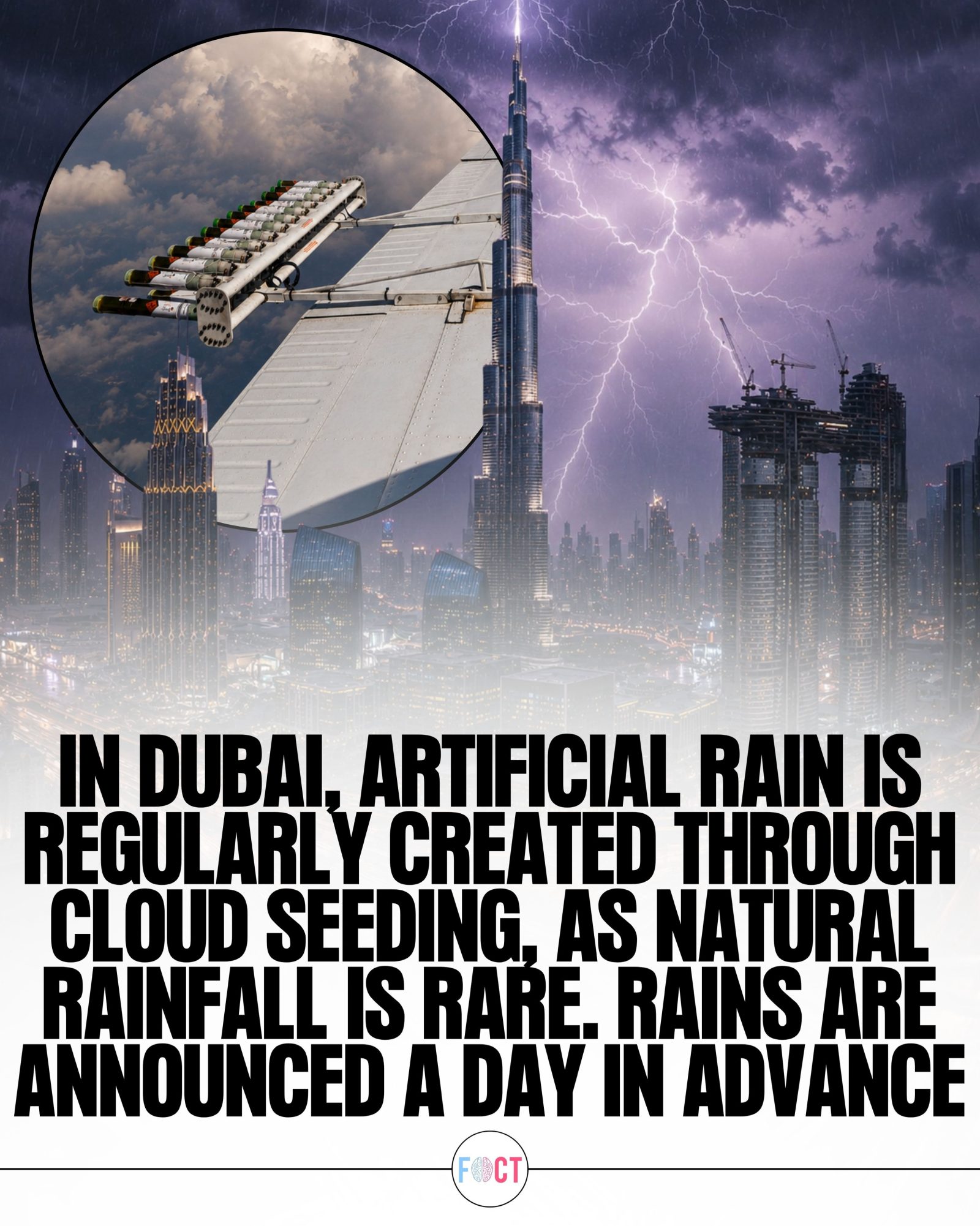
Artificial Rain in Dubai
Dubai's innovative approach to generating rainfall through cloud seeding and drone technology is a testament to human ingenuity in the face of climatic challenges. With temperatures frequently exceeding 115 degrees Fahrenheit, the United Arab Emirates (UAE) has taken significant steps to manage its scorching weather by inducing artificial rain. This method involves using electrical charges from drones to manipulate weather patterns and force rainfall across the nation.
Context / Why this matters
Dubai's climate is arid, characterized by extreme heat and minimal natural rainfall. The city receives only about 4 inches of rain annually, making water scarcity a critical issue. The innovative techniques used to mitigate this problem are part of a broader effort to combat drought and alleviate the impact of heatwaves. The UAE’s initiatives are part of a global trend in climate adaptation where technology is leveraged to manage and mitigate the effects of climate change.
The Methodology of Cloud Seeding
Cloud seeding is a weather modification technique that involves introducing particles into clouds to stimulate precipitation. The UAE employs this method to induce artificial rain. The most recent advancement in this technology is the use of drones equipped with electrical charges to manipulate clouds and trigger rainfall.
The Science Behind the Technology
The electrical charges from drones are used to create larger raindrops within the clouds. In the hot and arid climate of the UAE, smaller raindrops often evaporate before hitting the ground. By increasing the size of the raindrops, the technology effectively enhances precipitation. This method has shown promise in mitigating drought conditions and reducing the environmental concerns associated with previous methods, such as salt flares.
Main discussion
Historical Context of Cloud Seeding
Cloud seeding has been in use for several decades, primarily in arid regions. The technology has evolved significantly, from early methods that used silver iodide to the more advanced drone-based systems used today. In the UAE, cloud seeding has been a regular practice, especially with the advent of technology that can make the process more efficient and environmentally friendly.
The Role of the Government
The UAE government has been proactive in leveraging technology to manage the country's water scarcity. By investing in advanced cloud seeding techniques, the government aims to create a more sustainable water management system. The initiative involves careful planning and coordination, with rainfall announcements made a day in advance to prepare the population for the impending downpours.
The Impact of Artificial Rain
The artificial rain generated through cloud seeding has a significant impact on the environment and the local population. It helps in replenishing water resources, supporting agriculture, and reducing the effects of heatwaves. The technology also serves as a model for other countries facing similar climatic challenges, showing how innovation can be a tool for environmental sustainability.
Practical tips
Preparing for Artificial Rain
- Stay Informed: Always check the latest weather updates and announcements from meteorological officials. Artificial rain is usually announced a day in advance, giving ample time for preparation.
- Secure Outdoors: If you live in or plan to visit the UAE, especially in regions like Ras Al Khaimah, secure any outdoor items that could be damaged by rain. This includes furniture, vehicles, and other valuables.
- Dress Appropriately: Carry an umbrella and wear appropriate clothing to stay dry and comfortable during the rainfall.
- Temporary Disruptions: Be prepared for temporary disruptions in traffic and outdoor activities. Rainfall, even when artificial, can cause road closures and other inconveniences.
Important takeaways
- Innovation in Climate Management: The UAE’s cloud seeding technology, particularly the use of drones, represents a cutting-edge approach to managing climate-related issues.
- Environmental Sustainability: The initiative is part of a broader effort to create a sustainable water management system, reducing the reliance on salt flares and other environmentally harmful methods.
- Global Relevance: The success of these methods in the UAE holds potential for other countries facing similar challenges, showcasing the global relevance of such technology.
Conclusion
Artificial rain in Dubai is more than just a way to combat drought; it is a testament to human ingenuity and innovation in solving complex environmental problems. By leveraging advanced technology, the UAE is setting a global example of how to manage water scarcity and mitigate the effects of climate change. This initiative underscores the importance of embracing scientific advancements to create a more sustainable and resilient future.
Watch the Reel
Questions readers ask
How do drones create artificial rain in Dubai?
Drones in Dubai are equipped with electrical charges that are used to manipulate weather patterns. These charges help to stimulate the formation of larger raindrops, enhancing precipitation during cloud seeding operations.
Why does Dubai need to generate artificial rain?
Dubai has an arid climate with extremely high temperatures and very little natural rainfall, making water scarcity a significant issue. Artificial rain helps to address this problem by supplementing the limited natural precipitation.
What is cloud seeding and how is it related to drone technology in Dubai?
Cloud seeding is a process where man-made agents are used to stimulate precipitation. In Dubai, drones are used in cloud seeding to deliver electrical charges that encourage the formation of rain.
How effective is the use of drones for artificial rain in Dubai?
Dubai's use of drones for artificial rain has shown promising results. By generating rainfall and supplementing natural precipitation, these efforts contribute to alleviating water scarcity in the region.
What is the process of generating artificial rain using drones in Dubai?
The process involves drones flying into clouds and releasing electrical charges. These charges cause cloud droplets to coalesce into larger raindrops, leading to increased precipitation and rainfall over the region.
How does Dubai's use of drones for artificial rain impact the local environment?
Dubai's innovative use of drones for artificial rain can help mitigate the effects of the arid climate, reducing water scarcity and promoting environmental stability. However, the long-term environmental impacts of this technology are still being studied.
Related deep dives
Similar reads based on topic and creator.



Recent articles
Fresh deep dives from the latest Reels we unpacked.




Comments
Be the first to comment.