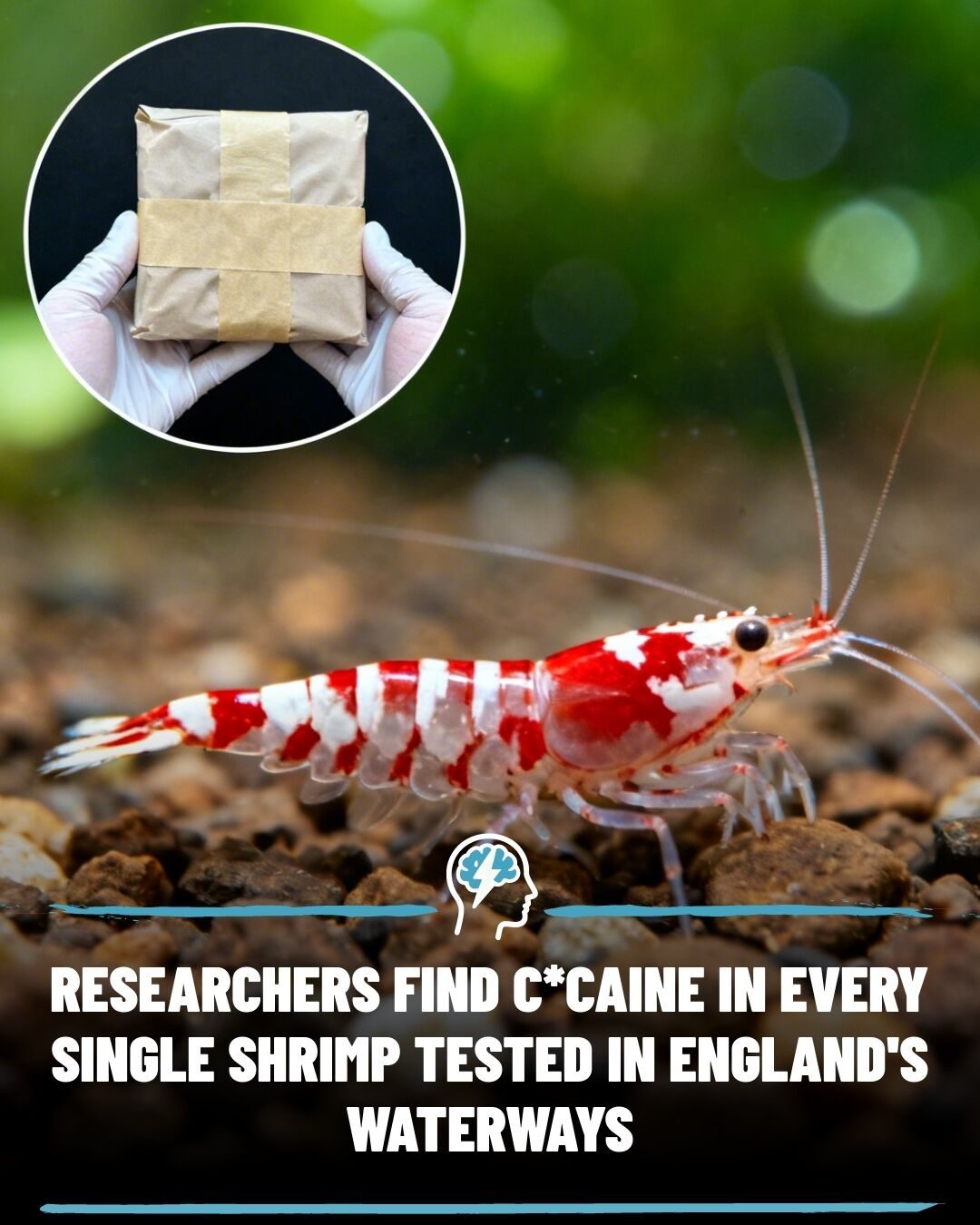
Shrimp Contamination in UK Waterways
Recent findings from a groundbreaking study have revealed that cocaine was detected in 100% of freshwater shrimp samples collected from various sites in Suffolk County, England. Conducted by researchers from King's College London and the University of Suffolk, this study underscores the pervasive nature of drug pollution in our waterways and its potential impacts on aquatic ecosystems.
Why This Matters
The discovery of cocaine in every shrimp tested highlights a critical issue: the interconnectedness of our daily actions with the natural world. It serves as a stark reminder that what we consume and dispose of can have far-reaching consequences, affecting even remote and seemingly pristine environments.
The Study
Researchers collected shrimp samples from 15 sites across five river catchments in Suffolk County. The results were startling: cocaine was the most commonly detected chemical, present in every single sample. Other substances, such as ketamine, Valium, and Xanax, were also found in some samples, though to a lesser extent.
The Pathway of Contamination
Understanding how these chemicals enter the waterways is key to addressing the issue. The pathway is relatively straightforward. When humans consume medications and drugs, these substances enter wastewater through sewage systems. Unfortunately, standard treatment processes are not equipped to fully remove these chemicals, allowing them to flow into rivers and potentially accumulate in aquatic organisms.
Unexpected Locations
One of the most notable aspects of this study is the location of the contamination. The findings occurred in rural areas, not urban centers. This challenges conventional wisdom about where drug pollution may be concentrated. It suggests that drug pollution is a more widespread issue than previously thought, affecting environments far from urban areas.
Why Cocaine in Shrimp?
The detection of cocaine in shrimp is particularly concerning because it indicates that these chemicals are not only present in the water but are also being absorbed by aquatic organisms. This raises questions about the potential effects on wildlife health, behavior, and reproduction.
The Extent of the Contamination
Concentration Levels
It's important to note that the concentrations of these chemicals were low. Dr. Thomas Miller, one of the researchers, emphasized that the potential for any significant effect on human health is likely minimal. However, the study suggests that these compounds might pose a risk to wildlife, although further investigation is needed to confirm this.
Other Chemicals Detected
In addition to cocaine, the study detected other substances such as ketamine, Valium, and Xanax. These findings underscore the variety of chemicals that can end up in our waterways, posing potential risks to aquatic life and ecosystems.
The Implications for Wildlife
Potential Risks
The presence of these chemicals in shrimp raises concerns about the potential risks to wildlife. These substances could affect the health, behavior, and reproduction of aquatic organisms. While the study notes that the concentrations were low, the long-term effects of such low-level chemical exposures are not fully understood.
Environmental Impacts
Environmental impacts can vary by location and conditions. The study calls for continued monitoring to understand how low-level chemical exposures may affect aquatic life over time. This ongoing research is crucial for developing strategies to mitigate the impacts of drug pollution on our waterways.
Practical Tips for Reducing Drug Pollution
Proper Disposal of Medications
One of the most effective ways to reduce drug pollution is to properly dispose of medications. Many communities have drug take-back programs that allow residents to safely dispose of unused or expired medications. By participating in these programs, you can help keep harmful chemicals out of our waterways.
Reducing Wastewater Contamination
Reducing wastewater contamination is another important step. This can be achieved through better treatment processes and stricter regulations on pharmaceutical manufacturing. Investing in advanced wastewater treatment technologies can help remove these chemicals more effectively, reducing the amount that enters our waterways.
Public Awareness and Education
Raising public awareness about the issue is also crucial. By educating people about the impacts of drug pollution, we can encourage more responsible behaviors and practices. This includes proper disposal of medications, reducing the use of harmful chemicals, and supporting policies that protect our waterways.
Important Takeaways
The detection of cocaine in every shrimp tested in Suffolk County's waterways is a wake-up call. It underscores the need for continued research, monitoring, and action to address drug pollution in our waterways. By understanding the pathways of contamination and taking proactive steps, we can help protect our aquatic ecosystems and the wildlife that depend on them.
This study serves as a reminder that our actions have far-reaching consequences. It highlights the importance of responsible disposal and the need for advanced treatment processes to keep our waterways clean and healthy.
Conclusion
The findings from this study are a stark reminder of the interconnectedness of our daily actions with the natural world. The discovery of cocaine in every shrimp tested in Suffolk County's waterways underscores the pervasive nature of drug pollution and its potential impacts on aquatic ecosystems. By taking proactive steps, such as proper medication disposal, reducing wastewater contamination, and raising public awareness, we can help protect our waterways and the wildlife that depend on them. Continued research and monitoring are essential to better understand and address the long-term effects of drug pollution, ensuring a healthier environment for all.
Watch the Reel
Questions readers ask
How does cocaine end up in freshwater shrimp in the UK?
Cocaine enters waterways through wastewater, as it is excreted by users and not fully removed by treatment processes. This contaminated water then flows into rivers and streams, where it can be ingested by aquatic life, including freshwater shrimp.
Is this problem limited to Suffolk County, or is it more widespread?
While the study focused on Suffolk County, drug pollution in waterways is a global issue. Previous studies have detected various pharmaceuticals and illicit drugs in water bodies across the world. This means that similar contamination is likely occurring in other rural and urban areas.
What are the potential impacts of drug pollution on aquatic ecosystems?
Drug pollution can have several impacts on aquatic ecosystems. It can affect the behaviour and physiology of aquatic organisms, potentially altering ecosystem dynamics. Additionally, it may contribute to the development of antibiotic resistance in bacteria, and could have implications for human health through the food chain.
Why are shrimp a good indicator of water quality and pollution?
Shrimp are good indicators of water quality and pollution because they are sensitive to environmental changes and contaminants. They absorb and accumulate substances from the water, making them useful for monitoring the presence of pollutants, like drugs and medications, in aquatic environments.
What can be done to reduce drug pollution in waterways?
To reduce drug pollution in waterways, it's important to improve wastewater treatment processes to better remove drug residues. Additionally, promoting responsible drug disposal practices, such as using drug take-back programs, can help prevent these substances from entering the environment. Public awareness about the issue is also crucial.
Can drug pollution in waterways affect human health?
Drug pollution in waterways can potentially affect human health in several ways. Consuming contaminated seafood, like shrimp, could expose individuals to low levels of drugs. Additionally, drug-resistant bacteria that may develop due to drug pollution could pose a health risk to humans.
Related deep dives
Similar reads based on topic and creator.



Recent articles
Fresh deep dives from the latest Reels we unpacked.




Comments
Be the first to comment.