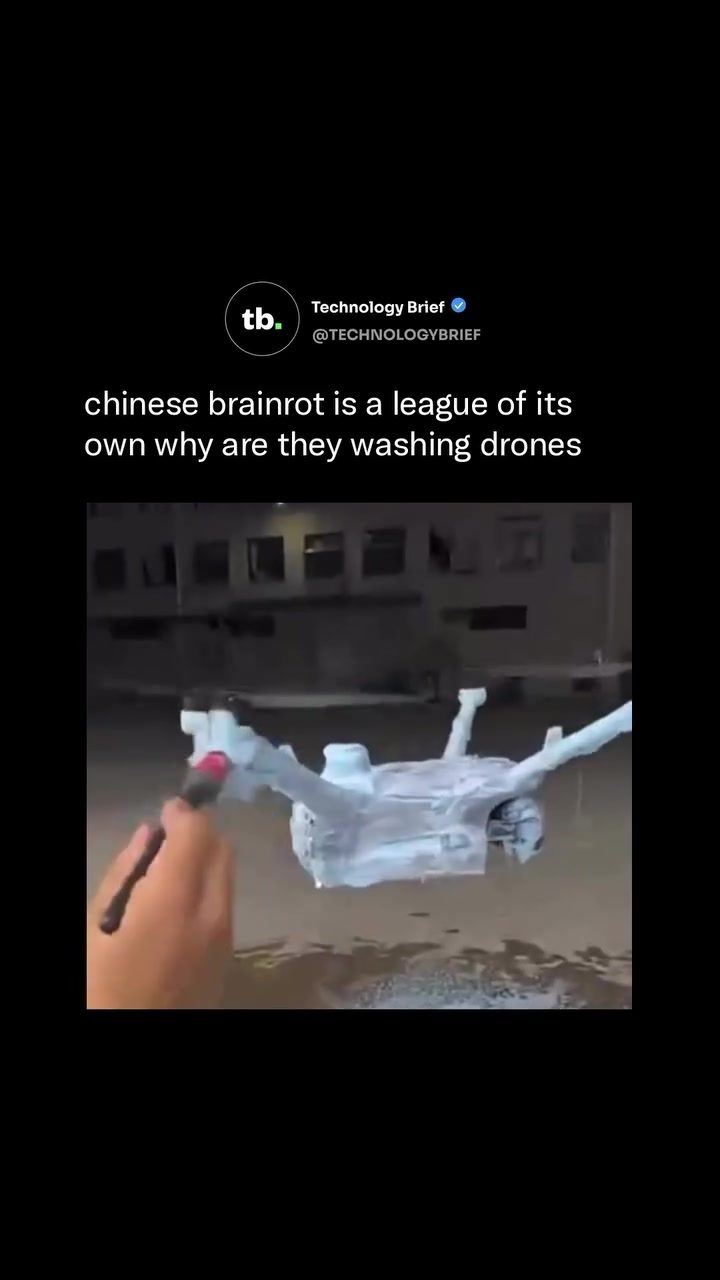
Drone Waterproofing: A Necessity for Rugged Environments.
Waterproof drones represent a critical advancement in technology. These drones are built to withstand harsh, wet conditions, making them invaluable for various tasks. Their design incorporates special gaskets, protective coatings, and corrosion-resistant materials to safeguard motors and electronics.
These advancements are crucial for industries where dirty or wet conditions are unavoidable—such as agriculture, marine search and rescue, and industrial inspections. Flying through saltwater spray or chemical mist can quickly corrode standard drones, which is why waterproofing has become a major focus for drone manufacturers.
Why Waterproofing Matters
Waterproofing is essential for drones used in extreme environments. It not only extends the lifespan of the drone but also ensures that operations can continue smoothly without the risk of sudden failures due to water damage. In agriculture, for example, drones are used to monitor crops, spray pesticides, and collect data. The ability to hose down a drone between flights can significantly reduce maintenance time and costs.
Similarly, in marine search and rescue missions, drones are deployed to locate individuals in distress. The reliability of these drones is crucial, as any malfunction could delay rescue operations.
How Waterproofing Works
Waterproof drones are sealed with special gaskets and protective coatings designed to keep water out of the motors and electronics. The toughest models carry an IP67 rating, which means they can handle being submerged in one meter of water for up to 30 minutes. This level of waterproofing ensures that the drone can function effectively even in the wettest conditions.
Rinsing Drones Mid-Air
Rinsing a drone while it hovers might seem counterintuitive, but it actually makes sense. The spinning propellers help fling water off and clear debris from hard-to-reach spots. Additionally, the ability to clean a drone mid-air allows for continuous operation without the need for frequent landings and manual cleaning.
Practical Tips
The practical application of waterproof drones is evident in various industries:
-
Agriculture: Drones are used for crop monitoring, spraying pesticides, and data collection. Waterproofing ensures that these operations can continue smoothly, even in adverse weather conditions.
-
Marine Search and Rescue: In emergency situations, the reliability of drones is crucial. Waterproofing ensures that drones can function effectively in wet environments, aiding in the swift location and rescue of individuals in distress.
-
Industrial Inspections: Drones are often used to inspect infrastructure such as bridges, dams, and pipelines. Waterproofing allows for inspections in harsh, wet conditions, ensuring that essential infrastructure remains safe and operational.
Applications and Use Cases
The advanced waterproofing of drones opens up numerous applications and use cases, particularly in sectors where exposure to water and debris is common. Here are a few notable areas:
-
Environmental Monitoring: Waterproof drones can be deployed to monitor water quality, pollution levels, and other environmental factors in wetland areas, lakes, and rivers.
-
Wildlife Conservation: These drones can be used to track and monitor wildlife in wet habitats, such as swamps and mangroves, without the risk of damage from water and debris.
-
Construction and Infrastructure: Drones with waterproof capabilities are ideal for inspecting construction sites and infrastructure in wet conditions, ensuring that project timelines are not disrupted by weather-related delays.
Important Takeaways
There are several key points to remember about waterproof drones:
- Durability: These drones are built to withstand harsh, wet conditions, making them ideal for a variety of applications.
- Maintenance: The ability to hose down a drone reduces maintenance time and costs, ensuring continuous operation.
- Versatility: Waterproof drones can be used in various sectors, from agriculture to marine search and rescue, and industrial inspections.
- Reliability: The IP67 rating ensures that these drones can handle being submerged in one meter of water for up to 30 minutes, making them reliable in extreme conditions.
Conclusion
The development of waterproof drones represents a significant advancement in technology, particularly for industries where exposure to water and debris is common. These drones are built to withstand harsh conditions, ensuring reliability and reducing maintenance costs. Their applications range from agriculture and marine search and rescue to industrial inspections and environmental monitoring. As technology continues to evolve, the demand for waterproof drones is likely to grow, further enhancing their versatility and utility.
Watch the Reel
Questions readers ask
How do waterproof drones benefit the agriculture industry?
Waterproof drones are crucial in agriculture for monitoring crops and livestock in all weather conditions. They can withstand rain and humidity, ensuring continuous operation and data collection, which helps farmers make informed decisions without worrying about equipment failure due to wet conditions.
What makes waterproof drones essential for marine rescue operations?
Marine rescue drones need to operate in harsh, wet environments, often exposed to saltwater and rough weather. Waterproofing protects the drone's components from corrosion and damage, ensuring reliable performance during critical rescue missions.
What technologies are used to make drones waterproof?
Waterproof drones incorporate several technologies, including special gaskets to seal components, protective coatings to repel water, and corrosion-resistant materials to safeguard motors and electronics. These advancements ensure drones can operate reliably in wet and dirty conditions.
Can standard drones be converted into waterproof drones?
Converting standard drones into waterproof versions is complex and may not always be feasible. It involves significant modifications and additional components, and the success depends on the drone's existing design and the specific waterproofing technologies used.
Can drones be washed for maintenance to remove dirt and grime?
Waterproof drones can be washed for maintenance, but it's crucial to follow the manufacturer's guidelines to avoid damaging internal components. While waterproofing protects against moisture, high-pressure washing or improper cleaning methods can still cause issues. Always use a gentle cleaning method with appropriate cleaning solutions.
Why are waterproof drones important for industrial inspections?
Industrial drones often need to operate in harsh environments, such as near chemical plants or in marine settings. Waterproofing allows these drones to inspect infrastructure and equipment without being damaged by wet or corrosive conditions, ensuring consistent and reliable data collection.
How do waterproof drones perform in wet environments compared to standard drones?
Waterproof drones outperform standard drones in wet environments by maintaining their functionality and reliability. Standard drones may suffer from corrosion, short circuits, or complete failure when exposed to moisture, while waterproof drones are designed to withstand these conditions, ensuring continuous operation.
Related deep dives
Similar reads based on topic and creator.




Recent articles
Fresh deep dives from the latest Reels we unpacked.




Comments
Be the first to comment.