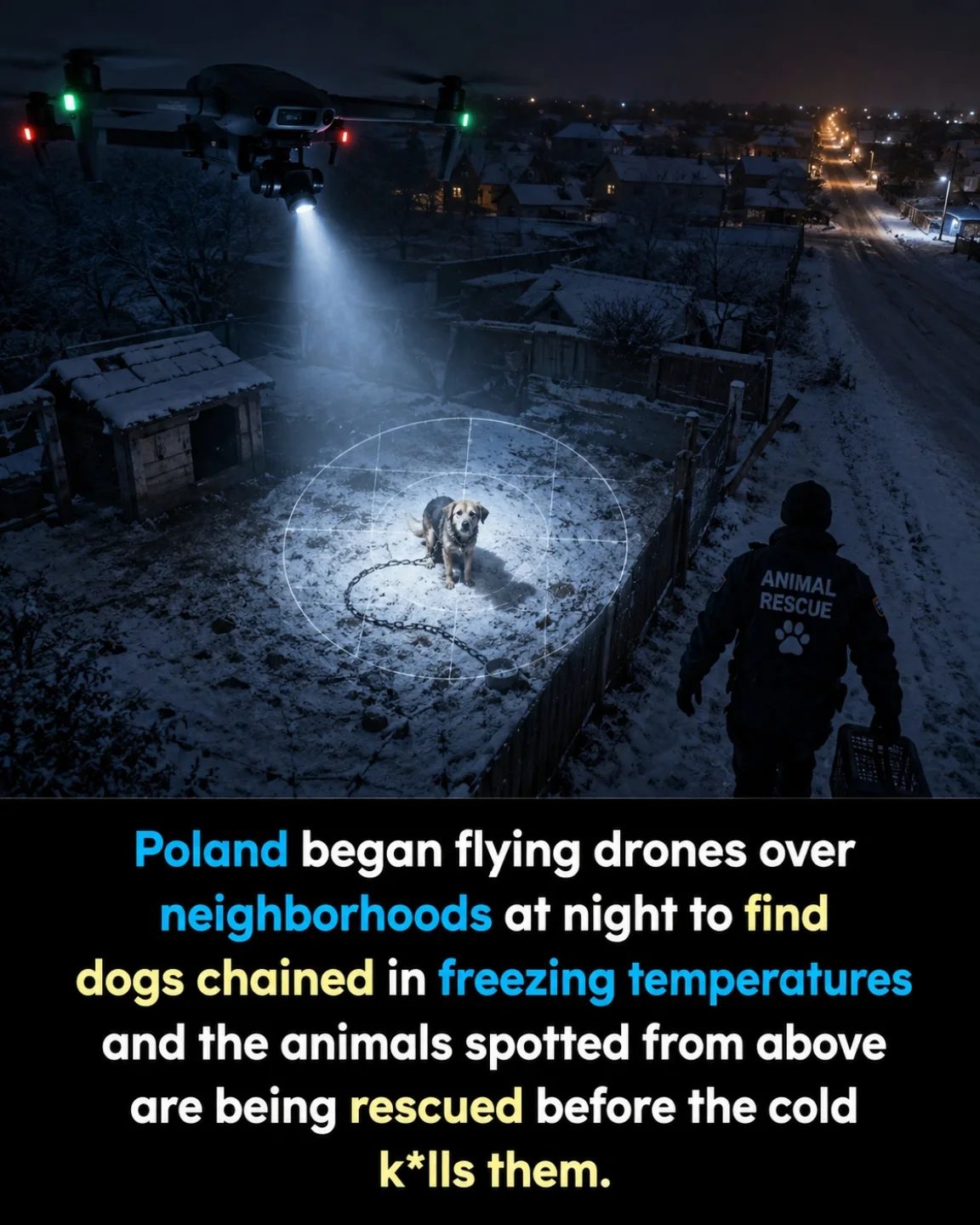
Drone Rescue Operations in Poland
Drones are increasingly being used in innovative ways to aid in animal rescue operations, particularly in harsh winter conditions. In Poland, drones have been deployed to locate and rescue dogs chained outside in freezing temperatures, highlighting the effectiveness of this technology in life-saving missions.
Why This Matters
The use of drones in rescue operations addresses several critical challenges. Firstly, drones can cover large areas quickly and efficiently, making them ideal for searching vast, difficult-to-navigate regions. Secondly, their ability to fly at night and in adverse weather conditions allows for around-the-clock operations, which is crucial when time is of the essence. Finally, drones equipped with advanced cameras and thermal imaging can spot animals from great heights, even in low-visibility conditions, ensuring that no animal is left behind.
Main Discussion
The Role of Drones in Animal Rescue
Drones have become indispensable tools for animal rescue operations due to their versatility and efficiency. Equipped with high-resolution cameras and thermal imaging, drones can spot dogs chained outside, even in dark, snowy landscapes. This technology allows rescue teams to locate animals quickly and accurately, minimizing the time animals spend in dangerously cold conditions.
The Rescue Operation in Poland
In Poland, animal rescue organizations have begun using drones to fly over neighborhoods at night, specifically targeting areas known for chaining dogs outside. The drones illuminate the landscape with spotlights, scanning for any signs of life. Once a dog is spotted, rescue teams are dispatched to the location, ensuring the animal is brought to safety before the cold can cause severe harm. This proactive approach has significantly improved the outcomes for chained dogs during winter.
Challenges and Considerations
While the use of drones in rescue operations offers numerous advantages, it is not without its challenges. Flying drones at night over urban or suburban areas requires careful navigation to avoid obstacles and ensure the safety of both the drone and the people on the ground. Additionally, the effectiveness of drones can be impacted by weather conditions, particularly heavy snowfall or strong winds, which can affect visibility and flight stability.
The Importance of Public Awareness
Public awareness and community involvement are crucial components of successful drone rescue operations. Rescue organizations often rely on community members to report sightings of chained dogs, providing valuable information that can guide drone missions. This collaborative effort ensures that no dog is left unnoticed, and that rescue teams can intervene promptly.
Technological Advancements
Advancements in drone technology continue to enhance their capabilities in rescue operations. Modern drones are equipped with sophisticated sensors and cameras that can detect heat signatures, enabling them to locate animals even in complete darkness. Furthermore, drones can be programmed to follow pre-determined flight paths, ensuring comprehensive coverage of the target areas. Some drones are also designed to withstand harsh weather conditions, making them reliable tools for winter rescue operations.
Practical Tips
If you are involved in animal rescue or simply want to help, consider the following tips:
- Stay Informed: Keep an eye on local news and social media for updates on rescue operations in your area. This can help you stay informed about how to support these efforts.
- Volunteer: Many animal rescue organizations rely on volunteers. Reach out to local groups and see how you can assist in drone rescue operations or other critical tasks.
- Report Sightings: If you see a dog chained outside in freezing temperatures, report it to your local animal rescue organization or the police. Every report can make a difference in the life of an animal in need.
- Donate: Financial contributions and equipment donations can significantly enhance the capabilities of rescue teams. Consider donating to organizations that use drones in their rescue missions.
- Support Legislation: Advocate for legislation that protects animals from being left outside in extreme weather conditions. Your voice can help create a safer environment for all animals.
Important Takeaways
The use of drones in rescue operations is a game-changer, especially in harsh winter conditions. Drones' ability to cover large areas quickly and efficiently, coupled with their advanced technology, makes them invaluable tools for locating and rescuing animals in need. This innovative approach not only saves lives but also raises awareness about the plight of animals left outside in freezing temperatures. By leveraging technology and community involvement, rescue operations can be more effective and impactful.
Conclusion
The deployment of drones in animal rescue operations, as seen in Poland, showcases the transformative power of technology in saving lives. By utilizing drones to locate and rescue chained dogs, rescue organizations have demonstrated a proactive and effective approach to winter animal welfare. This innovative method not only saves animals but also highlights the importance of community involvement and technological advancements. As technology continues to evolve, so too will the capabilities of drones, ensuring that more animals can be rescued from life-threatening conditions.
Watch the Reel
Questions readers ask
How do drones help in rescuing chained dogs in Poland during winter?
Drones assist in locating chained dogs by covering large areas quickly and efficiently, even in harsh winter conditions. Equipped with advanced cameras and thermal imaging, drones can spot dogs in snow-covered terrains and navigate challenging landscapes, ensuring timely rescues.
What advantages do drones offer in animal rescue missions compared to traditional methods?
Drones can fly over vast, difficult-to-navigate regions swiftly, and operate in adverse weather conditions and at night. This allows rescuers to locate and save animals faster, minimizing the time they spend in danger.
How do drones enhance search and rescue operations in snowy conditions?
Drones are equipped with advanced cameras and thermal imaging capabilities, enabling them to detect heat signatures and spot animals buried or hidden under snow. This is particularly useful in Poland's harsh winters, where visibility and accessibility can be severely limited.
Are drone rescue operations in Poland limited to daytime?
No, drone rescue operations in Poland are not limited to daytime. Drones can be deployed around-the-clock, including at night, to search for and rescue chained dogs. This 24/7 capability is vital for saving animals in life-threatening situations.
What role do drones play in maximizing search efficiency during winter rescues?
Drones maximize search efficiency by quickly surveying large areas and providing real-time visuals to rescue teams. This helps in pinpointing the exact locations of chained dogs, allowing rescuers to reach them faster and minimizing their exposure to freezing temperatures.
Can drones be used to find chained dogs in densely forested or remote areas?
Yes, drones are particularly effective in densely forested or remote areas. They can navigate through tight spaces and rough terrain, making them ideal for searching in regions where human rescuers might struggle or be unable to access quickly.
What kind of technology do drones use to find chained dogs in snow?
Drones use advanced cameras and thermal imaging technology to find chained dogs in snow. These tools help detect the heat signatures of animals, even when they are partially or fully buried under snow, ensuring that no dog is left behind in harsh winter conditions.
Related deep dives
Similar reads based on topic and creator.




Recent articles
Fresh deep dives from the latest Reels we unpacked.




Comments
Be the first to comment.