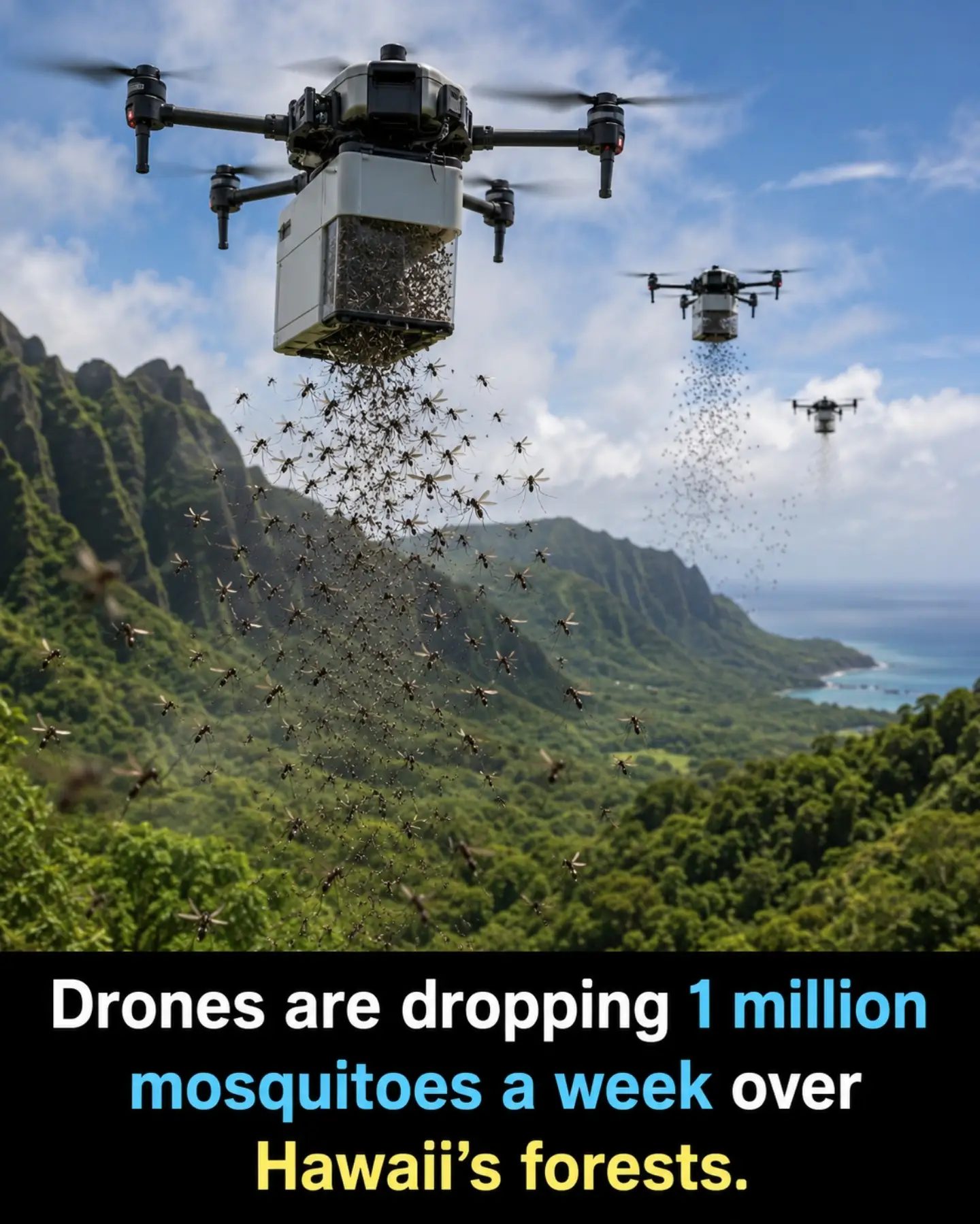
Mosquito Control Using Drones in Hawaii
Drones are transforming mosquito control efforts in Hawaii's forests. This innovative approach involves releasing mosquitoes using drones to combat disease-spreading mosquitoes.
Why This Matters
Mosquitoes are not just a nuisance; they can carry deadly diseases like dengue fever, Zika virus, and West Nile virus. In Hawaii, mosquito-borne illnesses pose a significant health risk. Traditional methods of mosquito control, such as spraying insecticides and setting up traps, have shown limited effectiveness. The introduction of drones offers a more efficient and targeted approach to managing mosquito populations.
Main Discussion
The Role of Drones
Drones equipped with specialized dispensers can release mosquitoes in specific areas, ensuring that the insects are distributed evenly and effectively. This method is particularly useful in hard-to-reach forest areas where traditional control methods may fall short.
The Release Process
Approximately one million mosquitoes are released weekly using drones. This controlled release aims to introduce mosquitoes that carry a naturally occurring bacterium, Wolbachia, which makes them resistant to diseases like dengue and Zika. When these mosquitoes mate with wild mosquitoes, the offspring inherit the resistance, gradually reducing the disease-carrying mosquito population.
Environmental Impact
Using drones for mosquito control has several environmental benefits. Unlike chemical pesticides, which can harm non-target species and contaminate ecosystems, this method is more targeted and minimizes collateral damage. The drones can be programmed to release mosquitoes in precise locations, reducing the risk of unintended environmental impacts.
Challenges and Considerations
While the use of drones for mosquito control shows promise, it also presents challenges. Ensuring that the released mosquitoes are effectively dispersing and mating with the wild population is crucial. Additionally, the drones must be operated safely to avoid any accidents or interference with other aircraft.
Practical Tips
1. Public Awareness and Education: Increasing public awareness about the benefits of drone-based mosquito control can help garner support and ensure community cooperation. Educational campaigns can inform residents about the process and its potential health benefits.
2. Monitoring and Evaluation: Continuous monitoring and evaluation of the mosquito population and disease incidence are essential. This data can help refine the drone release strategies and ensure their effectiveness.
3. Regulatory Compliance: Ensuring compliance with local and national regulations regarding drone operations and mosquito control is crucial. This includes obtaining necessary permits and adhering to safety guidelines.
Important Takeaways
Drones are revolutionizing mosquito control in Hawaii by offering a targeted and environmentally friendly approach. The release of mosquitoes carrying the Wolbachia bacterium can help reduce the spread of diseases like dengue and Zika. While challenges remain, the benefits of this method make it a promising solution for mosquito management in hard-to-reach areas.
Conclusion
The use of drones for mosquito control in Hawaii represents a significant advancement in environmental technology. By leveraging this innovative approach, authorities can more effectively manage mosquito populations and reduce the risk of disease outbreaks. As technology continues to evolve, the potential for drones in environmental management will only expand, offering new solutions to long-standing challenges.
Watch the Reel
Questions readers ask
How do drones specifically help in mosquito control in Hawaii?
Drones in Hawaii are used to release mosquitoes carrying a natural bacterium into targeted forest areas. This method helps to build disease resistance in wild mosquito populations, reducing the spread of illnesses like dengue fever and Zika virus. By reaching difficult forest terrains, drones provide a more efficient solution compared to traditional control methods.
What makes drone-based mosquito control more environmentally friendly?
Drone-based mosquito control uses natural bacteria to build disease resistance in mosquitoes, reducing the need for harmful insecticides. This method is more environmentally friendly because it minimizes chemical use, thereby protecting local ecosystems and reducing potential harm to non-target species.
Why are traditional mosquito control methods less effective in Hawaii?
Traditional methods like spraying insecticides and setting traps often struggle with reaching hard-to-access forest areas where mosquitoes breed. These methods can also be less targeted, leading to the widespread use of chemicals that may harm beneficial insects and other wildlife and are less efficient in Hawaii's unique terrain.
What diseases do mosquitoes in Hawaii commonly spread?
Mosquitoes in Hawaii can spread several serious diseases, including dengue fever, Zika virus, and West Nile virus. These illnesses pose significant health risks, making effective mosquito control a critical public health concern in the region.
How do drones help in reaching remote forest areas for mosquito control?
Equipped with specialized dispensers, drones can navigate through dense and difficult terrains that are often inaccessible to traditional mosquito control methods. By releasing mosquitoes carrying a natural bacterium in these remote areas, drones ensure that disease resistance efforts are comprehensive and effective, even in the most challenging environments.
What technology is used to release mosquitoes from drones?
Drones designed for mosquito control are fitted with specialized dispensers that can release mosquitoes in targeted areas. These dispensers ensure an even distribution of the modified mosquitoes, enhancing the effectiveness of the control efforts and minimizing waste.
What are the benefits of using drones for mosquito control in Hawaii?
Using drones for mosquito control in Hawaii offers several benefits, including targeted and efficient distribution of disease-resistant mosquitoes, reduced reliance on insecticides, and the ability to reach remote forest areas. This innovative approach contributes to more effective pest management and enhanced public health and environmental safety.
Related deep dives
Similar reads based on topic and creator.



Recent articles
Fresh deep dives from the latest Reels we unpacked.




Comments
Be the first to comment.