Advanced Driver Monitoring Systems: The Future of Automotive Safety
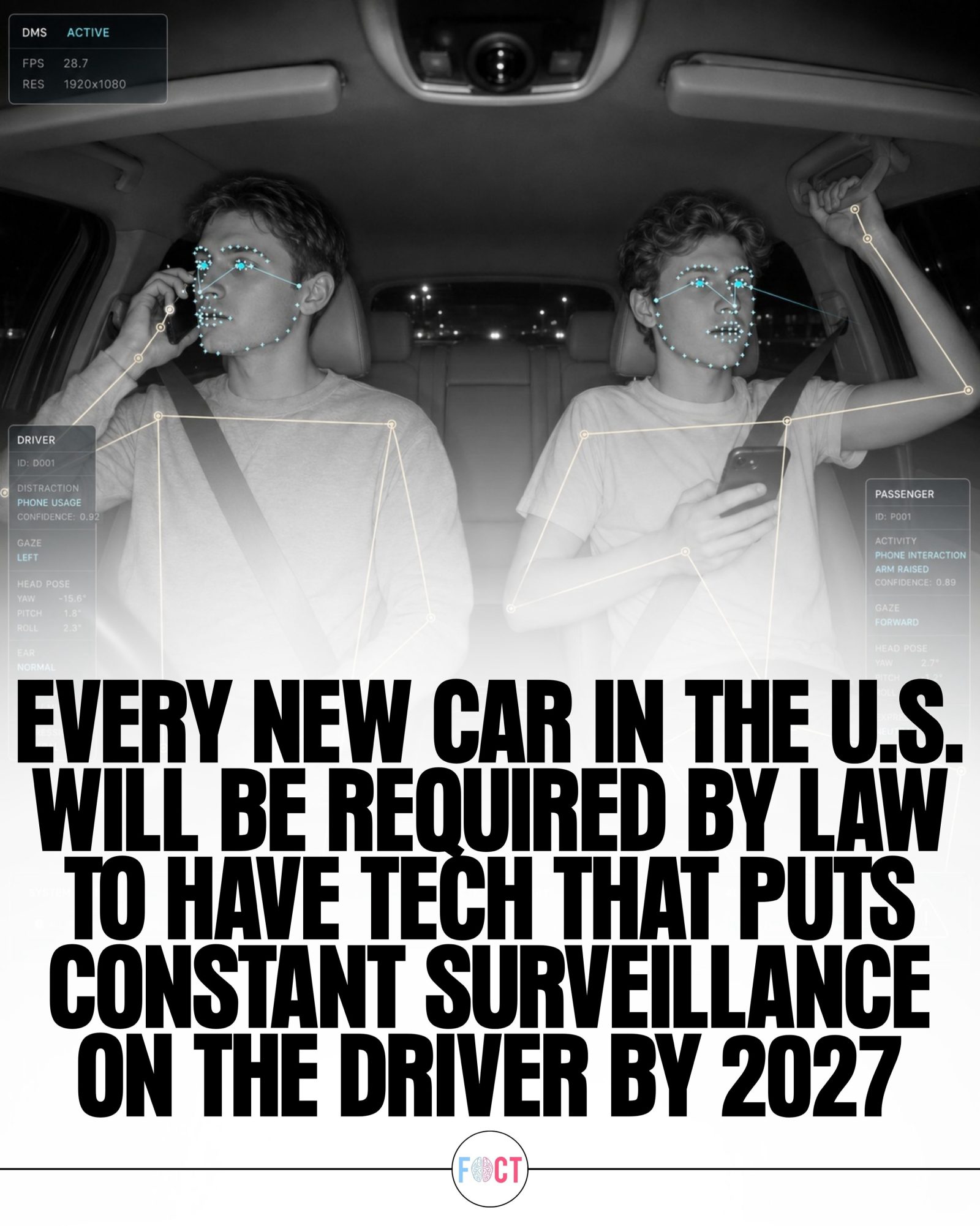
By 2027, every new car sold in the United States will be equipped with advanced driver monitoring systems. These systems, designed to detect signs of distraction or drowsiness, use cameras and sensors to track driver behavior in real time. The new federal safety regulations are part of a broader effort by regulators to reduce traffic fatalities, particularly those linked to distracted driving. The FOCCT brand shows that every new car in the U.S. will be required to have constant surveillance technology on the driver by 2027.
Why This Matters
The push for advanced driver monitoring systems marks a significant shift in the automotive industry. These systems are not just about enhancing safety; they represent a move towards more automated safety features becoming standard. With the rise of distracted driving as a leading cause of traffic accidents, regulators are taking proactive measures to mitigate this issue.
Types of Driver Monitoring Systems
Eye Tracking
Eye tracking technology is a key component of advanced driver monitoring systems. It tracks the driver's gaze to detect when attention is diverted from the road. By monitoring eye movement, the system can identify signs of distraction, such as looking at a smartphone or glancing at passengers.
Head Position Monitoring
Head position monitoring complements eye tracking by assessing the driver's head pose. This technology can detect when a driver's head is turned away from the road for an extended period, indicating potential distraction or drowsiness. By combining eye and head tracking, the system can provide a more comprehensive assessment of the driver's alertness.
How these Systems Work
Real-Time Data Collection
Advanced driver monitoring systems use real-time data collection to continuously assess the driver's behavior. Cameras and sensors collect data on the driver's eye movements, head position, and other relevant indicators. This data is processed by advanced algorithms to determine if the driver is distracted, drowsy, or otherwise impaired.
Alerts and Interventions
When the system detects signs of distraction or drowsiness, it can trigger alerts or interventions. These may include visual or auditory warnings to the driver, or even automated interventions such as slowing the vehicle or adjusting the steering. The goal is to prevent accidents by intervening before a hazardous situation develops.
Privacy and Data Collection Concerns
Privacy Issues
While advanced driver monitoring systems are designed to enhance safety, they also raise concerns about privacy. Critics worry about the constant surveillance of drivers and the potential for data misuse. Questions about who will have access to the collected data and how it will be used are valid and need to be addressed.
Data Collection and Storage
The data collected by these systems includes sensitive information about the driver's behavior and health. Ensuring the secure storage and proper use of this data is crucial. Regulators and manufacturers must implement robust data protection measures to safeguard driver privacy.
Public and Industry Response
Safety Advocates
Safety advocates generally support the implementation of advanced driver monitoring systems. They see these technologies as a crucial step toward reducing traffic fatalities and making the roads safer for everyone. The ability to detect and intervene in situations of distraction or drowsiness is seen as a significant advancement in automotive safety.
Industry and Manufacturer Perspectives
The automotive industry is responding to these new regulations by developing and integrating advanced driver monitoring systems into their vehicles. Manufacturers like FOCCT are at the forefront of this technological shift, working to ensure compliance with the upcoming regulations.
Practical Tips for Drivers
Understanding the Technology
Drivers should familiarize themselves with how advanced driver monitoring systems work. Knowing what to expect can help alleviate any anxiety or discomfort associated with constant surveillance.
Addressing Alerts
When an alert is triggered, it is important to respond promptly and appropriately. This may involve adjusting your driving behavior, taking a break, or seeking assistance if necessary.
Ensuring Data Security
Drivers should be aware of how their data is being collected and stored. Asking questions and understanding the data protection measures in place can provide peace of mind.
Important Takeaways
- Safety First: Advanced driver monitoring systems are designed to enhance road safety by detecting and preventing distracted and drowsy driving.
- Technological Advancements: These systems use real-time data collection and advanced algorithms to monitor driver behavior effectively.
- Privacy Considerations: While the benefits are clear, concerns about privacy and data misuse must be addressed by regulators and manufacturers.
- Compliance and Integration: The automotive industry is actively working to integrate these systems into new vehicles, with regulations expecting full compliance by 2027.
Conclusion
The rollout of advanced driver monitoring systems represents a significant step forward in automotive safety. By detecting and intervening in situations of distraction or drowsiness, these systems have the potential to save countless lives. While concerns about privacy and data collection must be addressed, the overall benefits to road safety are undeniable. As we move towards a future where these systems are standard in all new vehicles, it's crucial for drivers, manufacturers, and regulators to work together to ensure their effective and responsible implementation.
Watch the Reel
Questions readers ask
What are driver monitoring systems and how do they work?
Driver monitoring systems are technologies installed in vehicles to track driver behavior. They use cameras and sensors to monitor the driver's head positioning, eye movements, and other indicators to detect signs of distraction or drowsiness in real-time.
Why are driver monitoring systems becoming mandatory by 2027?
The U.S. government is mandating driver monitoring systems by 2027 to enhance car safety features and reduce traffic accidents. These systems aim to prevent crashes caused by distracted or drowsy driving by ensuring constant surveillance of the driver.
What specific behaviors do these systems track?
These systems are designed to monitor various aspects of driver behavior, including head positioning, eye movements, and facial expressions. By tracking these indicators, they can determine if the driver is distracted or drowsy, helping to prevent potential accidents.
How do driver monitoring systems help in preventing accidents?
Driver monitoring systems help prevent accidents by providing real-time alerts to the driver when signs of distraction or drowsiness are detected. These alerts can prompt the driver to refocus or take a break, thereby reducing the risk of accidents caused by inattentiveness.
What are the new car safety standards that will be in effect by 2027?
By 2027, new federal regulations will require all new cars to be equipped with advanced driver monitoring systems. These systems will continuously monitor the driver's behavior to enhance car safety and comply with the updated federal car safety rules.
How does the government plan to enforce these new safety regulations?
The government will enforce these new safety regulations by mandating that all new cars manufactured and sold in the U.S. after 2027 include driver monitoring systems. This will ensure that every vehicle on the road meets the new car safety standards and has the necessary technology to monitor driver behavior.
Related deep dives
Similar reads based on topic and creator.




Recent articles
Fresh deep dives from the latest Reels we unpacked.




Comments
Be the first to comment.