Plastic Waste to Roads: A Groundbreaking Solution
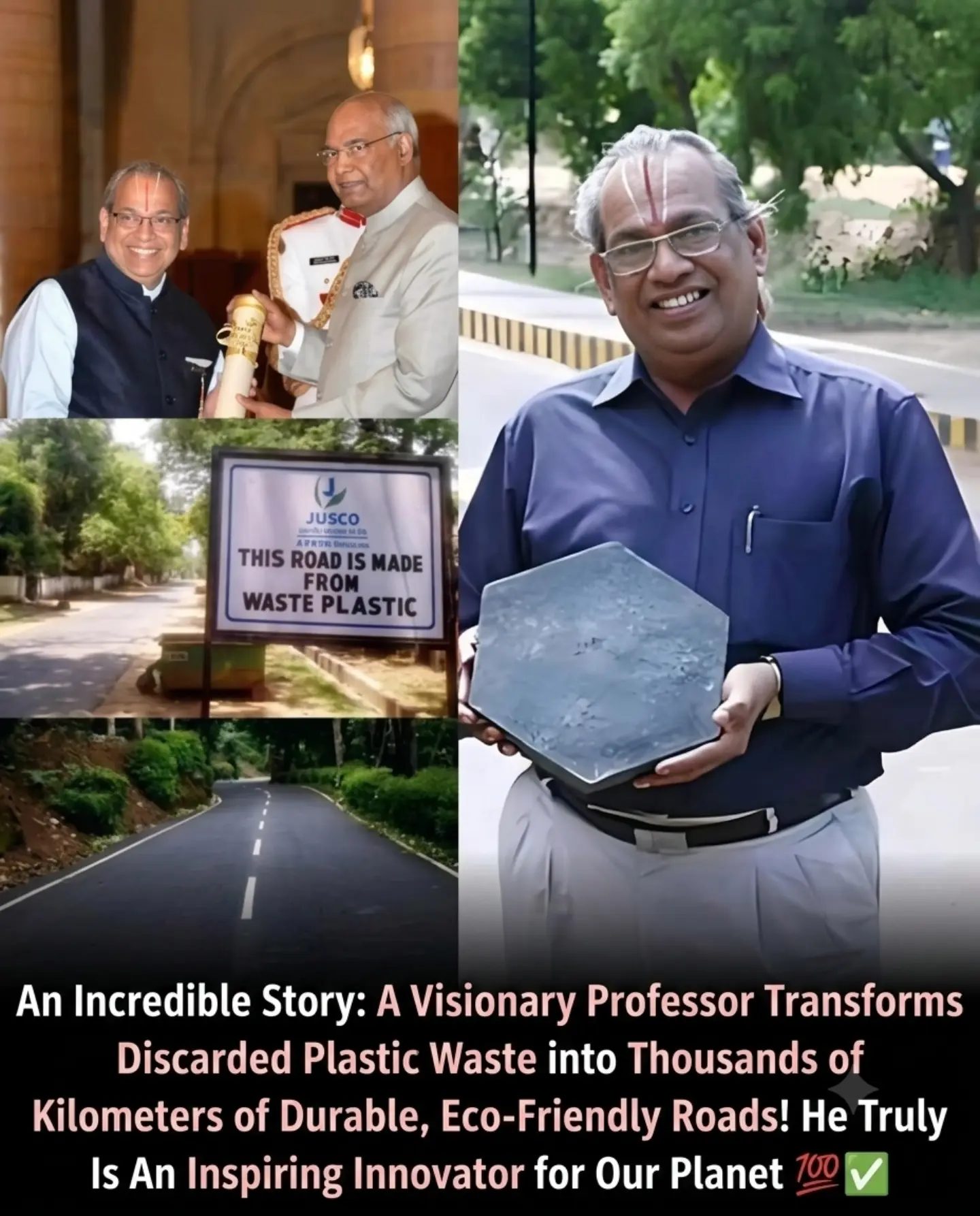
Over 20 years ago, Dr. Rajagopalan Vasudevan, a visionary professor in Tamil Nadu, introduced a revolutionary method to tackle two significant challenges: plastic waste and the need for better roads. His innovative approach to mixing shredded plastic waste with bitumen for road construction has led to the creation of over 100,000 kilometers of durable, eco-friendly roads across India. This innovation has earned him the moniker "Plastic Man of India" and the prestigious Padma Shri award in 2018.
Context / Why this Matters
Plastic waste is a global issue, with millions of tons of plastic ending up in landfills and oceans each year. Meanwhile, road infrastructure is a critical component of any nation's development, and the need for better, more durable roads is ever-present. Dr. Vasudevan's groundbreaking method addresses both issues by converting plastic waste into a valuable resource, thereby reducing the amount of plastic waste and the need for traditional road materials.
Main Discussion
The Incredible Journey of Dr. Vasudevan
Dr. Rajagopalan Vasudevan's journey began over two decades ago when he developed a simple yet transformative method to mix shredded plastic waste with bitumen, a crucial ingredient in road construction. This process not only creates stronger, more durable roads but also significantly reduces the amount of bitumen required, making the construction process more cost-effective.
The Process of Transforming Plastic Waste
The process involves shredding plastic waste, which can range from candy wrappers to carry bags, into small pieces. These pieces are then mixed with bitumen, a viscous mixture of hydrocarbons used in road construction. The resulting material is not only more water-resistant, making roads less prone to potholes, but also more eco-friendly, as it converts tonnes of plastic waste into a useful resource.
Durability and Eco-Friendliness
The roads constructed using this method are not only more durable and eco-friendly but also cost-effective. The use of plastic waste reduces the need for expensive bitumen, making the construction process more affordable. This method has been successfully implemented across India, with over 100,000 kilometers of plastic roads already constructed.
The Impact of Plastic Roads
The impact of this innovation is immense. It has not only reduced the amount of plastic waste ending up in landfills and oceans but has also created stronger, more durable roads. This has led to a significant reduction in the maintenance costs of roads, making it a sustainable innovation that benefits both the environment and the economy.
JUSCO's Role in This Innovation
JUSCO, a company involved in the project, has played a crucial role in the implementation of this innovation. Their support has been instrumental in the success of this project, and their involvement has helped in spreading awareness about this transformative technology.
Practical Tips
For Individuals
If you're an individual looking to contribute to this innovative solution, here are a few steps you can take:
- Reduce Plastic Consumption: Start by reducing your plastic consumption. Use reusable bags, bottles, and containers to minimize plastic waste.
- Recycle: Ensure that any plastic waste you produce is recycled properly. Many cities have recycling programs that can help you dispose of plastic waste responsibly.
- Spread Awareness: Share this story with your friends, family, and community. The more people know about this innovation, the more we can contribute to making a difference.
For Governments and Organizations
Governments and organizations can play a significant role in promoting and implementing this innovative solution:
- Invest in Infrastructure: Invest in the infrastructure required to transform plastic waste into road material. This includes shredding machines and facilities for mixing plastic waste with bitumen.
- Policy Support: Implement policies that support the use of plastic waste in road construction. This can include incentives for companies that use this method and penalties for those that do not.
- Collaboration: Collaborate with innovators like Dr. Vasudevan to promote and implement this innovation on a larger scale.
Important Takeaways
Dr. Rajagopalan Vasudevan's groundbreaking innovation has shown that it is possible to transform plastic waste into a valuable resource. This not only helps in reducing plastic pollution but also creates more durable and eco-friendly roads. The success of this innovation in India is a testament to the impact that simple, brilliant ideas can have when implemented effectively.
Conclusion
Dr. Rajagopalan Vasudevan's invention is a powerful reminder that real change often starts with one simple, brilliant idea. The transformation of plastic waste into durable, eco-friendly roads is a game-changer that addresses two significant global issues. By reducing plastic waste and creating better roads, this innovation has the potential to make a significant impact on both the environment and the economy. Let's celebrate such innovations and continue to support sustainable practices that benefit our planet.
Watch the Reel
Questions readers ask
What is the primary innovation introduced by Dr. Vasudevan for plastic waste management?
Dr. Vasudevan introduced a method that involves mixing shredded plastic waste with bitumen, a byproduct of the crude oil refining process. This blend is then used for road construction, creating a durable and eco-friendly surface.
How does the plastic road technology benefit the environment?
By incorporating plastic waste into road construction, this technology helps reduce the volume of plastic waste sent to landfills and oceans. Additionally, the use of plastic in bitumen lowers the overall demand for virgin materials, making it a sustainable and eco-friendly solution.
What are the key advantages of using plastic in road construction?
Plastic roads in India have shown enhanced durability and longevity compared to traditional roads. The plastic-bitumen mix improves the road's flexibility, making it more resistant to cracks and potholes, ultimately reducing maintenance costs.
What is the current extent of plastic road construction in India?
Over the past two decades, Dr. Vasudevan's plastic road technology has been used to build more than 100,000 kilometers of roads across India, demonstrating its practicality and effectiveness on a large scale.
Who is Dr. Vasudevan and why is he known as the 'Plastic Man of India'?
Dr. Rajagopalan Vasudevan is a professor from Tamil Nadu who pioneered the innovative plastic road technology. He earned the title 'Plastic Man of India' due to his significant contributions to waste management and sustainable road construction using plastic waste.
What is the significance of the plastic road innovation for Indian infrastructure?
This innovation addresses two critical issues: plastic waste management and road infrastructure development. By creating eco-friendly, durable roads, it contributes to a cleaner environment and enhances the quality of Indian road networks, benefiting both urban and rural areas.
How does the plastic road technology work and what are the main materials used?
The plastic road technology works by shredding plastic waste and mixing it with bitumen, a common binder used in road construction. The resulting mixture is then used to pave roads, providing a robust and eco-friendly alternative to traditional road-building methods.
Related deep dives
Similar reads based on topic and creator.



Recent articles
Fresh deep dives from the latest Reels we unpacked.




Comments
Be the first to comment.