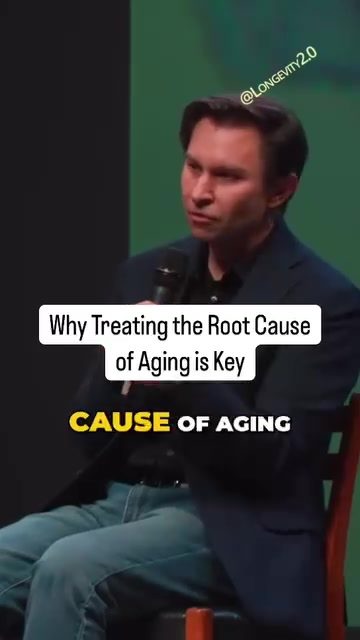
A Universal Cause of Aging: Loss of Epigenetic Information
Longevity research has long sought a universal cause of aging, a single factor that could explain the decline in health and functionality as we age. Recent findings suggest that loss of epigenetic information, the system that controls how DNA is read and activated, could be the key. Understanding this root cause could revolutionize how we approach age-related diseases.
Why This Matters
Age-related diseases such as heart disease, Alzheimer’s, and diabetes pose significant health challenges globally. Traditional approaches focus on treating these diseases once they manifest, often resulting in ineffective interventions. By targeting the root cause of aging, researchers aim to prevent these diseases before they start, thereby extending healthspan and improving overall quality of life.
Main Discussion
Understanding Epigenetic Information
Epigenetic information is crucial for determining which genes are expressed and how cells function. As we age, the epigenetic landscape changes, leading to dysfunctional cells and tissues. This loss of epigenetic control is a primary driver of age-related diseases.
Preventing Diseases at the Root
If the loss of epigenetic information is indeed a universal cause of aging, then therapies targeting this issue could have far-reaching benefits. This means that a single treatment—such as a pill or injection—could potentially prevent multiple age-related diseases.
The Economic and Health Benefits
Investing in therapies that address the root cause of aging is more efficient than treating individual diseases. By focusing on the fundamental problem, we can allocate resources more effectively, leading to better health outcomes and potential cost savings. This paradigm shift could also spur innovation in the health and wellness sector, driving the development of new treatments and technologies.
The Challenges Ahead
While the potential benefits are immense, there are significant challenges to overcome. Developing therapies that address epigenetic information is complex and requires extensive research. Additionally, translating these findings into practical treatments that are safe and effective for widespread use will take time.
Current Research and Promising Therapies
Recent studies have identified several compounds and interventions that may help maintain or restore epigenetic information. For example, resveratrol and nicotinamide mononucleotide (NMN) have shown promise in preclinical studies. These and other potential therapies are currently being explored for their ability to prevent age-related diseases by addressing the root cause of aging.
Practical Tips
Incorporate Epigenetic Enhancers
Foods and supplements rich in epigenetic enhancers could be a practical way to support healthy aging. This includes foods rich in antioxidants, such as berries, and supplements like resveratrol and NMN.
Maintain a Healthy Lifestyle
Regular exercise, a balanced diet, and adequate sleep are foundational for maintaining overall health and may also help preserve epigenetic information. Engaging in activities that reduce stress and promote mental well-being can also support healthy aging.
Stay Informed
Stay updated on the latest research in longevity and aging. Following experts in the field, such as Dr. David Sinclair, can provide valuable insights and practical tips for maintaining health as we age.
Important Takeaways
- The loss of epigenetic information is a strong candidate for a universal cause of aging.
- Targeting this root cause could prevent multiple age-related diseases.
- Investing in therapies that address epigenetic information is more effective than treating individual diseases.
- Current research is exploring promising compounds such as resveratrol and NMN.
- Maintaining a healthy lifestyle and staying informed can support healthy aging.
Conclusion
Addressing the root cause of aging through the preservation of epigenetic information offers a promising pathway to prevent age-related diseases and extend healthspan. By investing in research and therapies that target this fundamental issue, we can pave the way for a healthier future. While challenges remain, the potential benefits are tremendous, and continued innovation in this field holds the key to transforming our approach to aging and longevity.
Watch the Reel
Questions readers ask
What is epigenetic information and how does its loss contribute to aging?
Epigenetic information consists of chemical tags that control gene expression. Its loss means that genes which should be active are silenced and vice versa, which disrupts cellular functions and contributes to aging and diseases.
How does Dr. Sinclair's research propose to prevent age-related diseases?
Dr. Sinclair's research targets the root cause of aging, the loss of epigenetic information. By addressing this underlying issue, it aims to prevent age-related diseases like heart disease, Alzheimer’s, and diabetes before they manifest.
What are some age-related diseases that could be prevented by treating the root cause of aging?
By treating the root cause of aging, researchers hope to prevent or delay the onset of major age-related diseases, such as heart disease, Alzheimer’s, and diabetes, which are significant global health challenges.
Why is targeting the root cause of aging more effective than traditional disease treatments?
Traditional treatments often focus on symptoms once a disease has developed. By targeting the root cause of aging, interventions can potentially prevent these diseases before they start, offering a more proactive approach to health maintenance.
What does Dr. Sinclair believe is a root cause of aging?
Dr. Sinclair’s research identifies the loss of epigenetic information as a root cause of aging. This loss affects how DNA is read and activated, leading to a decline in cellular functions and overall health.
Recent articles
Fresh deep dives from the latest Reels we unpacked.




Comments
Be the first to comment.