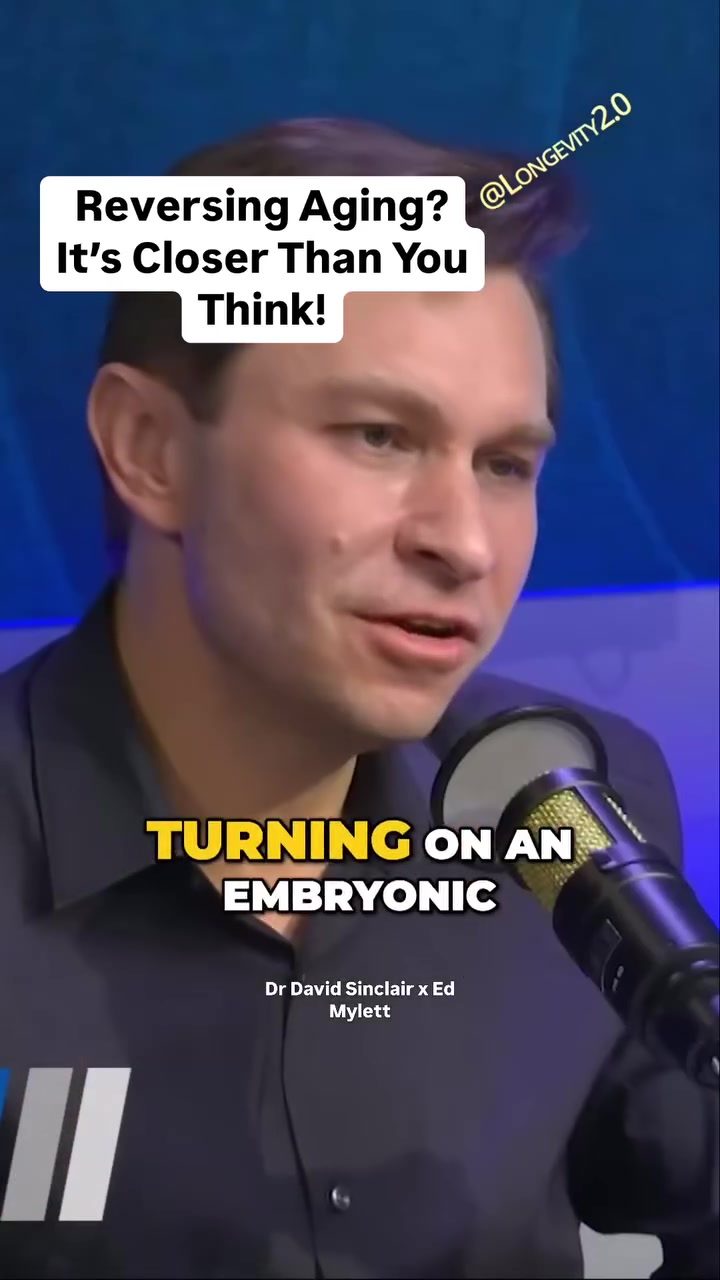
Reversing Aging: The Advancements in Age-Related Research
The concept of reversing aging, once relegated to the realms of science fiction, is now a tangible goal for scientists. Recent research, particularly from the LONGEVITY20 team, has been delving into the complex mechanisms of aging at a cellular level. This exploration has revealed that by activating an embryonic program in older cells, it is possible to achieve a form of cellular rejuvenation.
Why This Matters
The implications of this research are profound. As the global population ages, the potential to extend healthy lifespans and reduce age-related diseases gains significant importance. The ability to reset the biological age of cells could mitigate the effects of neurodegenerative disorders, cardiovascular diseases, and other conditions linked to aging.
Current State of Research
Current research has shown significant promise. Scientists, including Dr. David Sinclair, have successfully demonstrated that activating an embryonic program in older cells can effectively reverse aging in mice. This process involves rejuvenating the cells to a more youthful state, which could translate to increased lifespan and healthspan in humans.
The Embryonic Program
The embryonic program refers to a set of genetic instructions that control the development of an organism from a single cell to a fully formed individual. In essence, turning on this program in older cells aims to revert them to a more youthful state. This approach holds the potential to slow down or even reverse the effects of aging.
Main Discussion
Mechanisms of Cellular Rejuvenation
The reversal of aging through cellular rejuvenation involves several mechanisms. Researchers have identified key genes and pathways that play a critical role in maintaining cellular youth. By modulating these pathways, scientists can potentially reverse the effects of aging.
NAD+ and NMN
Two compounds that have gained significant attention in this field are Nicotinamide adenine dinucleotide (NAD+) and Nicotinamide mononucleotide (NMN). NAD+ is a coenzyme found in all living cells and plays a crucial role in metabolic processes. NMN is a precursor to NAD+, and supplementing with NMN has been shown to boost NAD+ levels, which in turn enhances cellular energy metabolism and supports overall health.
Epigenetic Changes
Epigenetic modifications, which involve changes in gene expression without altering the underlying DNA sequence, are another key area of focus. Aging is associated with specific epigenetic changes that can be reversed through targeted interventions. By understanding and manipulating these epigenetic markers, researchers hope to reset the cellular clock and restore youthful characteristics.
Animal Models and Human Implications
The research has primarily been conducted on animal models, particularly mice. Successful results in mice have paved the way for further exploration in human cells. The potential to achieve similar outcomes in humans is a topic of ongoing research and debate.
Translating Findings to Humans
One of the biggest challenges in translating these findings to humans is the complexity of the human body and the ethical considerations involved. Researchers are currently conducting studies to understand how these treatments can be safely and effectively applied to humans. Preliminary results suggest that similar mechanisms may be at play, offering hope for future applications.
Practical Tips
While the research is still in its early stages, there are several steps individuals can take to support overall health and longevity.
Lifestyle Choices
Adopting a healthy lifestyle can significantly impact longevity. This includes regular exercise, a balanced diet, and adequate sleep. These factors can help maintain cellular health and delay the onset of age-related diseases.
Dietary Supplements
Supplements like NMN and NAD+ have shown promise in supporting cellular health. While more research is needed, incorporating these supplements into a healthy lifestyle may offer additional benefits.
Medical Check-Ups
Regular medical check-ups and preventive screenings can help detect age-related conditions early, allowing for timely interventions and improved outcomes.
Important Takeaways
The advancements in aging research highlight the potential for significant breakthroughs in extending healthy lifespans. By understanding and manipulating the mechanisms that control cellular aging, scientists are paving the way for a future where the effects of aging can be reversed.
Future Prospects
The future of aging research is promising, with ongoing studies and clinical trials aimed at translating these findings into practical applications. The goal is to develop safe and effective interventions that can be widely available to improve the health and longevity of individuals worldwide.
Ethical Considerations
As research progresses, it is essential to address the ethical implications of aging reversal. This includes considerations around access, equity, and the potential societal impacts of such technologies.
Conclusion
The field of aging research is on the brink of a revolutionary shift. By targeting the underlying mechanisms of cellular aging, scientists are exploring ways to reverse the effects of aging and extend healthy lifespans. While there is still much work to be done, the potential to reset the biological age of the human body offers a glimpse into a future where aging is not just slowed down, but reversed. The journey from initial findings in mice to practical applications in humans is a testament to the relentless pursuit of longevity and a healthier future.
Watch the Reel
Questions readers ask
What is the main goal of Dr. David Sinclair's research on aging?
Dr. David Sinclair's research aims to reverse aging by reactivating an embryonic program within older cells, effectively rejuvenating them to a more youthful state.
How does activating an embryonic program help in reversing aging?
By activating an embryonic program, scientists can prompt older cells to revert to a younger, more functional state, which can help combat age-related diseases and extend healthy lifespans.
What are the potential benefits of Dr. Sinclair's research on aging?
The potential benefits include extending healthy lifespans, reducing the impact of age-related diseases such as neurodegenerative disorders and cardiovascular diseases, and providing a deeper understanding of the aging process.
What is the significance of the LONGEVITY20 team's research on aging?
The LONGEVITY20 team's research is significant because it focuses on the cellular mechanisms of aging, offering new insights into how to potentially reverse or slow down the aging process.
How does Dr. Sinclair's research impact the broader field of anti-aging science?
Dr. Sinclair's research contributes to the broader field of anti-aging science by providing a tangible approach to reversing aging, moving the concept from theoretical to practical applications.
What specific diseases can be targeted through the activation of an embryonic program in aging cells?
The activation of an embryonic program in aging cells can particularly target neurodegenerative disorders such as Alzheimer's and Parkinson's, along with cardiovascular diseases, which are significantly influenced by aging processes.
What are the next steps in the research after the successful reversal of aging in mice?
Following the successful reversal of aging in mice, the next steps involve further testing and validation in other animal models, as well as eventual human clinical trials to ensure safety and efficacy before potential widespread application.
Recent articles
Fresh deep dives from the latest Reels we unpacked.




Comments
Be the first to comment.