Running Doom on a Pregnancy Test: A Bizarre Hacking Project
Hacking an everyday pregnancy test to run the iconic game Doom is an extraordinary feat that demonstrates the creative limits of modern technology. This unconventional project, executed by hacker Foone Turing, has gained significant attention and showcased the potential of microcontrollers and unconventional programming.
Why This Matters
The intersection of gaming and unconventional electronics highlights the ingenuity of the programming community. Running a game like Doom on a device not originally designed for gaming emphasizes resourcefulness and the boundless capabilities of digital technology. This project showcases how programmable microcontrollers, such as those from brands like Techs, can be used beyond their intended applications, proving the power of creativity and technical skill.
The Project Overview
The Hacker Behind the Project
Foone Turing, the innovative hacker behind this project, aimed to challenge the limits of technology by running a video game on an unforeseen device. The hacker turned a digital pregnancy test into a gaming device, demonstrating the potential for creative solutions in unexpected places.
Modifying the Pregnancy Test
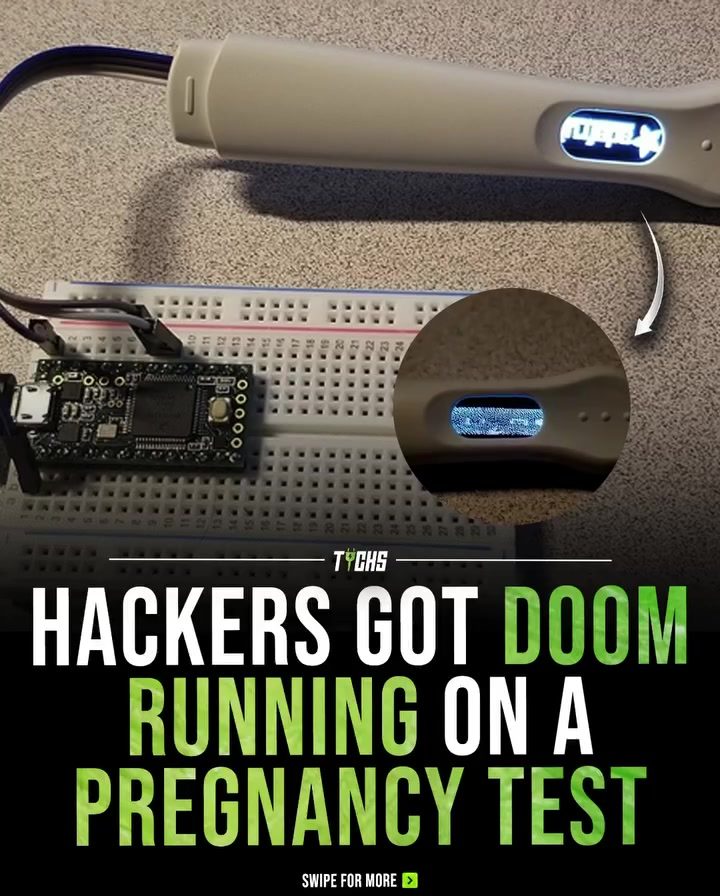
The process involved removing the tiny display from the digital pregnancy test and connecting it to external hardware. This hardware included a microcontroller and a breadboard, essential for running the game. The original chip in the pregnancy test was too weak to handle the game, so additional electronics were integrated to render the gameplay. The small screen of the pregnancy test displayed the output, giving life to a bizarre yet functional gaming device.
The Hacking Process
Foone Turing meticulously modified the hardware to ensure the game ran smoothly on the limited display. Connecting the pregnancy test to a microcontroller and other peripherals allowed the game to be rendered properly. The visual overlay showcases the microcontroller connected to the breadboard, providing a hands-on look at the intricate setup.
Practical Tips for Unconventional Hacking Projects
Choosing the Right Microcontroller
For any unconventional hacking project, selecting the right microcontroller is crucial. Microcontrollers like those from Techs are versatile and can be programmed to handle various tasks. Ensure the microcontroller has enough processing power and compatibility with your project’s requirements. Consulting the microcontroller’s specifications and user manuals will provide insight into its capabilities and limitations.
Understanding the Hardware
Integrating external hardware with unconventional devices requires a solid understanding of electronics. Familiarize yourself with breadboards, wiring, and the various components needed for your project. Learning about circuit design and electronic principles will help you connect and configure the hardware correctly.
Testing and Debugging
Programming on unconventional hardware often involves extensive testing and debugging. Be patient and methodical in your approach. Break down the project into smaller, manageable tasks and test each component individually before integrating them. Use debugging tools and techniques to identify and fix issues promptly.
Important Takeaways
Running Doom on a digital pregnancy test is a testament to the creative potential of hacking and programming. It underscores the importance of resourcefulness and technical skill in pushing the boundaries of what is possible. This project emphasizes the versatility of microcontrollers and their ability to transform ordinary devices into extraordinary tools.
The Power of Microcontrollers
Microcontrollers are powerful tools that can be programmed to handle a wide range of tasks. Their versatility makes them ideal for unconventional projects, showcasing their potential in innovative applications. Whether you are a hobbyist or a professional, exploring the capabilities of microcontrollers can inspire new and exciting projects.
Unlimited Creativity in Programming
The hacking community continually demonstrates that programming is not limited to traditional applications. Creative programmers can adapt and modify existing technologies to achieve remarkable results. Whether it's running a game on a pregnancy test or any other unconventional device, the possibilities are endless.
Conclusion
Foone Turing's project of running Doom on a digital pregnancy test exemplifies the creativity and technical prowess of the hacking community. By modifying the device and integrating it with a microcontroller, Turing demonstrated the potential of unconventional electronics. This project encourages experimentation and innovation, inspiring others to explore the limitless possibilities of technology. Embrace the spirit of creativity and push the boundaries of what is possible with technology.
Watch the Reel
Questions readers ask
Who is Foone Turing and what did he do with a pregnancy test?
Foone Turing is a hacker known for his innovative projects. He gained attention for successfully running the game Doom on a modified pregnancy test, demonstrating the versatile capabilities of microcontrollers in unexpected ways.
How was Doom run on a pregnancy test?
Foone Turing used a microcontroller to reprogram a pregnancy test, enabling it to run the game Doom. This involved modifying the hardware and software of the device to support gaming functionality.
What types of microcontrollers can be used for such projects?
Microcontrollers from various brands, such as Techs, can be used for hacking projects like running Doom on a pregnancy test. These microcontrollers are versatile and can be programmed for a wide range of applications beyond their original purposes.
What is the significance of running Doom on a pregnancy test?
Running Doom on a pregnancy test showcases the resourcefulness and creativity of the programming community. It highlights the potential of digital technology and microcontrollers to be used in unconventional and unexpected ways, beyond their intended purposes.
What other unusual devices can be used to run games like Doom?
The same principles applied to running Doom on a pregnancy test can be used for other unconventional devices. Microcontrollers can be programmed to run games on a variety of unusual devices, limited only by the creativity and technical skill of the hacker.
What skills are needed to modify a medical gadget for gaming?
To modify a medical gadget for gaming, you typically need a strong understanding of electronics, programming, and the specific microcontroller being used. Familiarity with hardware modification and software development is essential for such projects.
Can I try hacking a pregnancy test to run Doom at home?
While it's technically possible, it is not recommended to attempt such a project without a deep understanding of electronics and programming. It requires specialized knowledge and skill, and can potentially damage the device or other hardware.
Related deep dives
Similar reads based on topic and creator.




Recent articles
Fresh deep dives from the latest Reels we unpacked.




Comments
Be the first to comment.