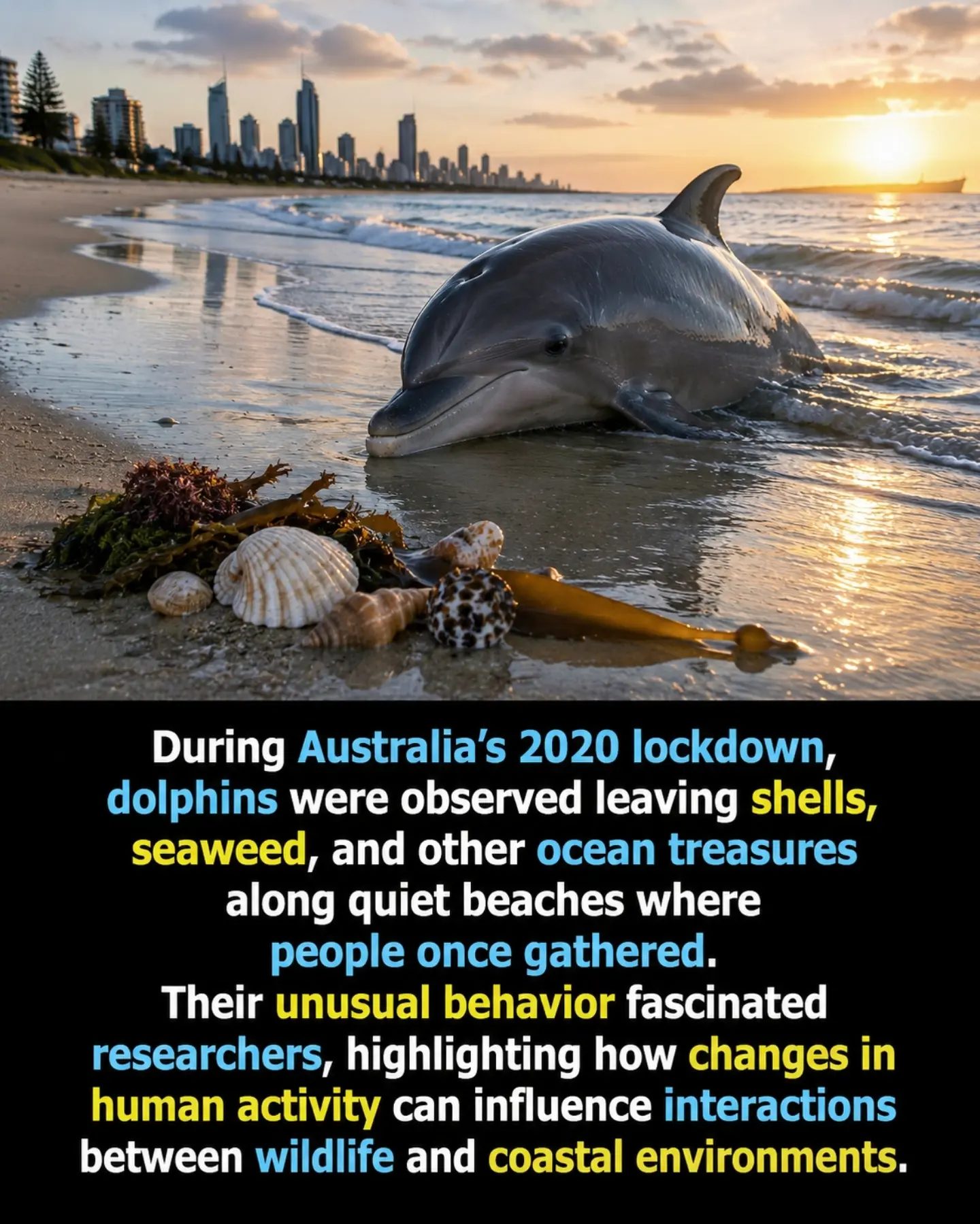
Dolphin Behavior During Australia’s 2020 Lockdown
The behavior of dolphins during Australia’s 2020 lockdown revealed intriguing insights into how these marine mammals interact with their environment. When human activity on the coasts significantly decreased, dolphins exhibited unusual behaviors, particularly with regard to shells, seaweed, and other ocean treasures.
Understanding the Lockdown’s Impact on Coastal Environments
The lockdown period in 2020 brought a significant reduction in human activity along Australia’s coastlines. This change created an opportunity for researchers to observe how dolphins behave in the absence of regular human interference. The absence of human activity allowed dolphins to engage with their environment in ways that are typically disrupted by human presence.
Dolphin Behavior During Lockdown
Interaction with Ocean Treasures
One of the most fascinating observations was how dolphins interacted with shells, seaweed, and other ocean treasures that people typically gather. During the lockdown, dolphins were seen leaving these items behind. This behavior was unusual and caught the attention of researchers who were studying the impact of reduced human activity on marine life.
Researcher Fascination
The unusual behavior of dolphins during the lockdown period highlighted how changes in human activity can influence interactions between wildlife and coastal environments. Researchers found the dolphins' behavior particularly intriguing because it provided a rare glimpse into how these marine mammals might behave naturally, without the constant presence of humans.
How Changes in Human Activity Affect Wildlife
Impact on Marine Life
The lockdown period offered a unique window into the dynamics of marine ecosystems. Dolphins, being highly social and intelligent creatures, often adjust their behaviors in response to their surroundings. The reduction in human activity provided a quieter, less disturbed environment, which may have influenced the dolphins' interactions with their surroundings.
Interactions with Coastal Environments
The behavior of dolphins during the lockdown period underscores the importance of understanding how human activities shape the behaviors of marine life. The absence of human activity allowed dolphins to exhibit behaviors that are typically suppressed by human presence, such as leaving ocean treasures behind. This behavior highlights the intricate relationship between marine life and their coastal habitats.
Practical Tips for Observing Marine Life
Minimizing Human Impact
To foster a better understanding of marine life, it’s crucial to minimize human impact on coastal environments. Reducing litter, respecting wildlife, and adhering to guidelines for marine life observation can help create a more natural habitat for dolphins and other marine creatures.
Supporting Research Efforts
Supporting research initiatives focused on marine life can provide valuable insights into their behaviors and the impact of human activities. Volunteering, donating, and advocating for marine conservation efforts can contribute to a deeper understanding of these fascinating creatures.
Important Takeaways
Unique Insights
The lockdown period provided unique insights into how dolphins interact with their environment when human activity is reduced. This behavior highlights the importance of minimizing human impact on marine life.
Marine Conservation
Understanding the behavior of dolphins during the lockdown can inform better conservation practices. By minimizing human interference, researchers can gain a clearer picture of how these marine mammals naturally behave, which is essential for their long-term conservation.
Conclusion
The observations made during Australia’s 2020 lockdown offer a valuable perspective on how dolphins interact with their environment in the absence of human activity. This period provided researchers with unique insights into the behavior of these fascinating creatures, highlighting the importance of reducing human impact on marine life and coastal environments. By understanding and respecting the natural behaviors of marine mammals, we can contribute to their conservation and ensure the health of our oceans.
Watch the Reel
Questions readers ask
Why did dolphins start playing with shells and seaweed during the 2020 lockdown in Australia?
During the 2020 lockdown, human activity along Australia's coasts significantly decreased, allowing dolphins to interact with their environment more freely. Without the usual human disturbances, dolphins started to explore and play with items like shells and seaweed, which they might not have had the chance to do otherwise.
What unusual behaviors did dolphins exhibit on beaches during the 2020 lockdown?
Dolphins exhibited several unusual behaviors on beaches during the 2020 lockdown. They were seen playing with shells and seaweed, showcasing a level of curiosity and interaction with their surroundings that is rarely observed when human activity is high.
How did the decrease in human activity impact dolphin behavior during the 2020 lockdown?
The decrease in human activity during the 2020 lockdown provided dolphins with a unique opportunity to engage with their coastal environment without typical human interferences. This led to a shift in their behavior, allowing them to explore and interact more freely with their surroundings.
What can we learn from dolphin behavior during the 2020 lockdown in Australia?
Observing dolphin behavior during the 2020 lockdown in Australia offers valuable insights into how marine wildlife adapts and interacts with their environment when human activity is reduced. It highlights the potential impacts of human presence on marine life and the importance of minimizing disturbances in coastal areas.
Why is it significant that dolphins were seen interacting with seaweed during the 2020 lockdown?
The sight of dolphins interacting with seaweed during the 2020 lockdown is significant because it shows a level of engagement with their environment that is often disrupted by human activity. This behavior provides a glimpse into the natural curiosity and playfulness of dolphins when they are not influenced by human presence.
How did the 2020 lockdown provide a unique opportunity for studying dolphin behavior?
The 2020 lockdown provided a unique opportunity for studying dolphin behavior by creating an environment with significantly reduced human activity along the coasts. This allowed researchers to observe dolphins' natural behaviors and interactions, which are typically obscured by the presence of humans.
Were there any other changes in marine life behavior during Australia’s 2020 lockdown?
While the article focuses on dolphins, other marine life may also have exhibited changes in behavior during the 2020 lockdown. The reduced human activity likely provided similar opportunities for other marine species to interact more freely with their environments, but specific observations would require dedicated research on each species.
Related deep dives
Similar reads based on topic and creator.



Recent articles
Fresh deep dives from the latest Reels we unpacked.

Comments
Be the first to comment.