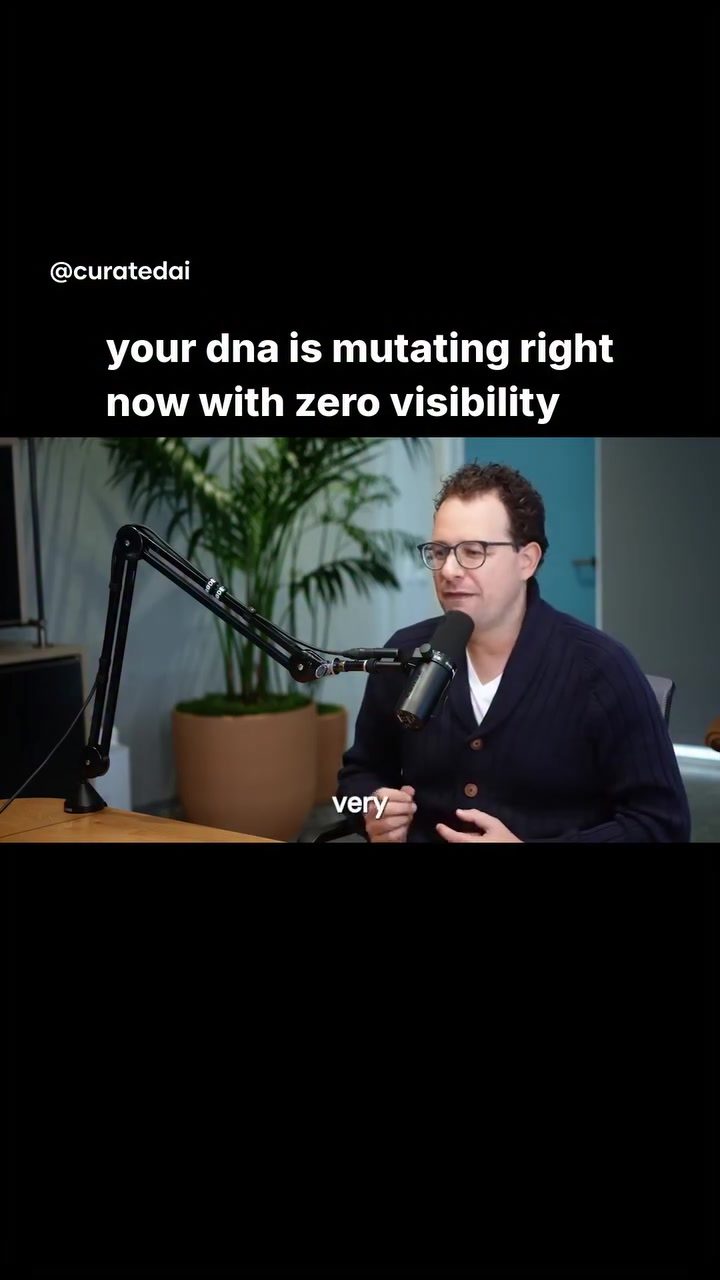
DNA Mutation and Visibility
Understanding DNA and its intricate processes that take place within our bodies is a complex topic. Cells within the human body are constantly active, carrying out processes that are integral to our health and well-being. These processes, however, often occur without us having any ability to observe them or influence their outcomes. One of the most fascinating and critical aspects of these cellular processes is DNA mutation.
Why This Matters
DNA mutations can have profound effects on our health. By understanding what exactly a DNA mutation is, how it happens, and its impact, we can better appreciate the importance of these cellular processes. A DNA mutation is a change in the sequence of a DNA molecule, which can occur due to various factors, including genetic code errors, exposure to harmful substances, and age-related wear and tear. These mutations can be either beneficial, harmful, or have no effect at all.
Each cell in the human body contains approximately three billion base pairs of DNA, built according to a complex genetic code. These base pairs are the instructions that direct the cell's activities, including the production and transformation of proteins. The processes that occur at the cellular level are crucial for our health, but they often happen without our awareness or control.
Cellular Processes and DNA Mutation
At the heart of cellular activity are proteins. Proteins are the building blocks of our bodies, performing a wide range of functions from structural support to immune response. The process of protein synthesis involves the transcription of DNA into RNA, which is then translated into a sequence of amino acids to form a protein. This intricate process is happening all the time within our cells, and any disruption can lead to significant health issues.
One of the most critical aspects of cellular processes is cell division. Most of the time, cells divide in a healthy manner, ensuring that the body can function correctly. However, sometimes the process goes awry, and this is when mutations can occur. These mutations can lead to a variety of health issues, the most severe of which is cancer. Cancer is essentially a disease of cell division where cells grow and divide uncontrollably, often due to mutations that occur in the DNA.
Understanding DNA Mutations
There are several types of DNA mutations, and understanding them can give us insight into how they affect our health:
-
Point Mutations: These are changes in a single base pair within the DNA sequence. These can be further classified into substitutions, insertions, and deletions. Substitutions involve the replacement of one base with another, insertions involve the addition of extra bases, and deletions involve the removal of existing bases.
-
Gene Mutations: These mutations occur within a gene, altering the protein that the gene codes for. While some gene mutations are harmless, others can lead to genetic diseases.
-
Chromosomal Mutations: These changes occur at the chromosome level, involving large segments of DNA. Examples include deletions, duplications, inversions, and translocations. These mutations can be more severe and are often associated with genetic disorders.
Aging and DNA
As we age, our skin and other organs undergo changes, such as wrinkling and changes in color. These physical changes are the result of the ongoing cellular processes within our bodies. Proteins are continuously being produced and transformed, and the accumulation of mutations over time can contribute to the aging process.
Practical Tips
While we may not be able to see or control the intricate processes happening at the cellular level, there are ways to promote overall health and reduce the risk of mutations:
-
Healthy Lifestyle: Maintaining a balanced diet, regular exercise, and adequate sleep can support overall health and reduce the risk of mutations.
-
Avoid Harmful Substances: Limiting exposure to harmful substances such as tobacco, excessive alcohol, and environmental toxins can help prevent DNA damage.
-
Regular Check-ups: Regular medical check-ups can help detect any potential issues early, allowing for timely intervention and treatment.
-
Genetic Testing: For those with a family history of genetic disorders, genetic testing can provide valuable information about potential risks and allow for proactive measures.
Important Takeaways
Diving deeper into the world of DNA and mutations can be incredibly informative. Here are some key takeaways:
-
DNA mutations are a natural part of cellular processes and can have significant health implications.
-
Understanding the different types of mutations can provide insight into how they affect our bodies.
-
While we cannot directly observe or control these processes, promoting overall health can help mitigate risks.
Conclusion
The ongoing cellular processes and their invisible nature remind us of the intricate and complex workings of the human body. DNA mutations, whether beneficial or harmful, are a crucial aspect of these processes. By understanding more about what's happening within our cells, we can better appreciate the importance of maintaining a healthy lifestyle and taking proactive measures to support our overall well-being.
Watch the Reel
Questions readers ask
What exactly is a DNA mutation and how does it occur?
A DNA mutation is a change in the sequence of nucleotides in a DNA molecule. This can happen due to various factors, such as errors during DNA replication, exposure to certain chemicals, or radiation. There are different types of mutations, including point mutations, insertions, and deletions, each with unique effects on the DNA sequence.
How do DNA mutations affect our health?
DNA mutations can significantly impact health by altering the instructions for making proteins. These changes can lead to the production of abnormal proteins, which can disrupt normal cellular functions and contribute to various health issues, including genetic disorders and certain types of cancer. The severity of the impact depends on where the mutation occurs and the specific gene affected.
Can DNA mutations be observed or detected?
While the process of DNA mutation occurs at a microscopic level within cells and cannot be directly observed, advanced laboratory techniques such as DNA sequencing and genetic testing can detect these changes. These methods allow scientists and medical professionals to identify mutations and their potential implications for an individual's health.
What is the difference between normal and mutated DNA?
Normal DNA follows a specific sequence of nucleotides (A, T, C, G) that serve as a blueprint for protein synthesis. Mutated DNA has alterations in this sequence, which can disrupt the genetic code and lead to the production of abnormal proteins. These changes can range from a single nucleotide change to large-scale deletions or insertions, each affecting cellular processes differently.
What are the common mechanisms of DNA mutation?
Common mechanisms of DNA mutation include spontaneous mutations, which occur naturally during DNA replication, and induced mutations, which result from external factors such as UV radiation, chemical exposure, or viral infections. Additionally, errors in DNA repair mechanisms can also lead to mutations, as these mechanisms are essential for correcting damage to the DNA sequence.
How do cells typically respond to DNA mutations?
Cells have several mechanisms to respond to DNA mutations, including DNA repair pathways, which can correct some types of mutations. If the damage is too extensive, cells may undergo apoptosis, a form of programmed cell death, to prevent the propagation of mutated DNA. In some cases, mutations can be passed on to daughter cells during cell division, potentially leading to altered cellular functions and health impacts.
Recent articles
Fresh deep dives from the latest Reels we unpacked.




Comments
Be the first to comment.