The Astonishing Length of Human DNA
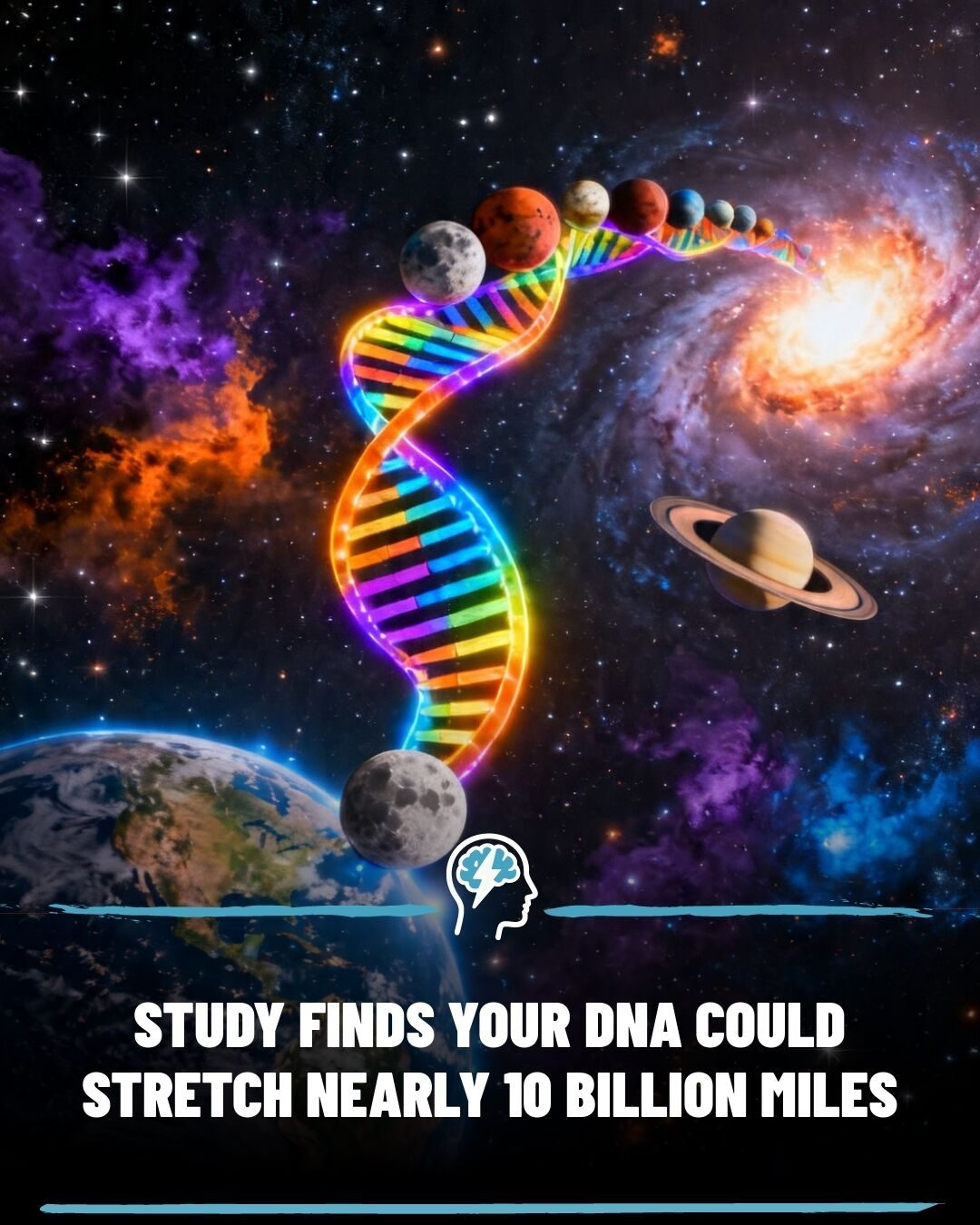
Human DNA is a marvel of biological engineering, packed with genetic instructions that define our existence. The sheer length of DNA is mind-boggling: if uncoiled, it could stretch past Pluto, a feat that underscores the immense amount of information encoded within each human body.
Context / Why this matters
Understanding the vast length of DNA is more than just a curiosity; it highlights the complexity and efficiency of biological design. The intricate structure of DNA, tightly coiled within each cell, encapsulates the blueprint for human development, function, and evolution. This information is crucial for advancing medical research, understanding heredity, and developing treatments for genetic disorders.
Main discussion
The scale of DNA
DNA molecules are remarkably long. If you uncoiled all the DNA in your body and laid it end-to-end, it would extend roughly 10 to 20 billion kilometers. To put this into perspective, Pluto is about 5.9 billion kilometers from the Sun on average. This means your DNA could make that trip multiple times over. Each cell in your body contains approximately 2 meters of DNA, which is tightly wound into structures called chromosomes. These chromosomes are housed within the nucleus of a cell, a structure smaller than the width of a human hair.
Packing mechanisms
The amazing feat of DNA length is made possible by specialized proteins called histones. These proteins act like tiny spools around which DNA winds, compacting meters of genetic material into spaces measuring just millionths of a meter across. This compact packaging is one of nature's most elegant engineering solutions, allowing a vast amount of genetic information to fit within the confined space of a cell.
Structure and function
Each of the roughly 37 trillion cells in the human body contains this tightly wound DNA. When multiplied, the total length of DNA is astonishing. To give a sense of the scale, imagine a thread that could stretch from Earth to the farthest reaches of our solar system. This thread carries the genetic instructions for everything from eye color to cell repair mechanisms.
Implications for research
Researchers continue to explore how DNA organization affects gene expression, cellular health, and aging. The way DNA folds and unfolds within the cell may influence which genes are activated and when, impacting overall health and development. Understanding the intricacies of DNA packaging and its role in gene regulation is a critical area of study, with implications for treating genetic disorders, improving cellular health, and possibly even extending human lifespan.
Practical tips
While uncoiling your DNA to span the solar system is a fascinating thought, there are practical ways to appreciate and understand your genetic makeup:
- Learn about your family's medical history: Understanding your family's genetic predispositions can help you take proactive steps to maintain your health.
- Explore genetic testing: Companies like 23andMe and AncestryDNA offer tests that can provide insights into your genetic traits, ancestry, and potential health risks.
- Stay informed about genetic research: Keep up with the latest developments in genetic research. Understanding how genes work can empower you to make informed decisions about your health.
- Maintain a healthy lifestyle: While you can't change your DNA, you can influence how your genes are expressed through lifestyle choices such as diet, exercise, and stress management.
Important takeaways
- Your body contains enough DNA to stretch past Pluto, a distance of roughly 10 to 20 billion kilometers.
- Each cell in your body contains about 2 meters of DNA, which is tightly wound into chromosomes.
- Histones are specialized proteins that help compact DNA into the tiny space of a cell nucleus.
- Research continues to explore how DNA packaging affects gene expression, cellular health, and aging.
- Understanding your genetic makeup can help you make informed decisions about your health.
Conclusion
The vast length of human DNA is a testament to the incredible efficiency of biological design. From the microscopic threads carrying genetic instructions to the cosmic scale of their potential length, DNA is a marvel that challenges our assumptions about the boundaries of the human body. By understanding the complexities of DNA and its role in our biology, we can gain insights into our health, heredity, and the future of genetic research.
Watch the Reel
Questions readers ask
How long is the DNA in a single human cell?
The DNA in a single human cell, when uncoiled, measures approximately 2 meters in length. This highlights the incredibly compact nature of DNA within the cell's nucleus.
What is the total length of DNA in the entire human body?
The total length of DNA in the human body, if laid out end to end, is roughly 20 billion kilometers. This distance could span across the solar system, extending far past the orbit of Pluto.
Why is the length of DNA important in biological research?
The vast length of DNA underscores the enormous amount of genetic information packed within each cell. Understanding this helps researchers grasp the complexity of biological design and the information encoded within our genes, which is crucial for advancing medical research and developing treatments.
How does DNA fit inside the tiny nucleus of a cell?
DNA is tightly coiled and condensed within the nucleus of a cell. This compact structure allows the incredibly long DNA molecule to fit within the microscopic space of the cell, enabling efficient storage and use of genetic information.
What are some key points about the length of human DNA?
Some key facts about the length of human DNA include: the uncoiled length of DNA in a single cell is about 2 meters, the total DNA length in the human body is around 20 billion kilometers, and this length illustrates the intricate and efficient design of biological systems.
Related deep dives
Similar reads based on topic and creator.




Recent articles
Fresh deep dives from the latest Reels we unpacked.




Comments
Be the first to comment.