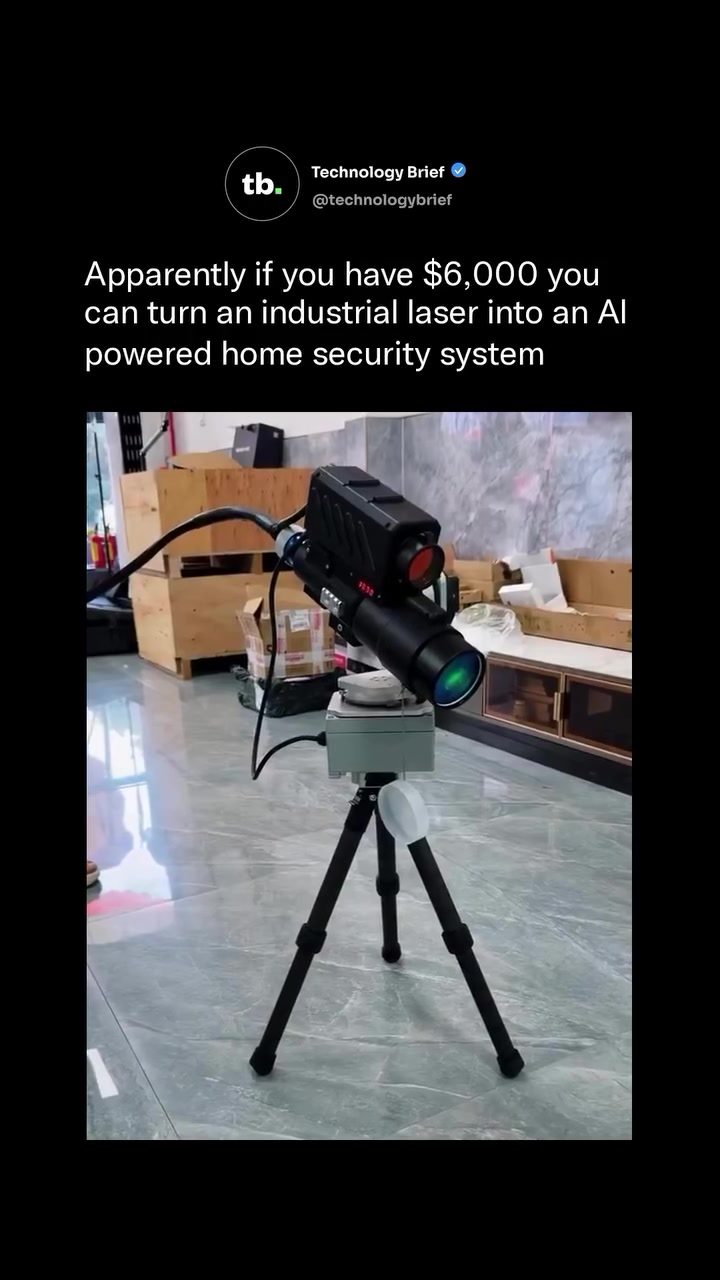
DIY Laser Security Systems: Harnessing Industrial Technology for Home Protection
A DIY home security system built around an industrial laser scanner offers a robust solution for perimeter protection. These systems, while expensive, provide advanced capabilities typically found in commercial security setups. Let's delve into what makes these systems unique, how they work, and why they might be a significant investment for tech-savvy homeowners.
Context
The rising interest in DIY security systems reflects a broader trend of homeowners seeking more advanced and customizable security solutions. Traditional home security systems often rely on simple beam-and-receiver setups or basic motion sensors, which can be prone to false alarms. Industrial laser scanners, on the other hand, offer a more sophisticated approach to security.
Main Discussion
What is an Industrial Laser Scanner?
An industrial laser scanner is a high-precision device typically used in manufacturing and industrial settings. These scanners are designed to map spaces and detect fast-moving objects with sub-meter accuracy. They are often utilized in factories to monitor production lines or ensure safety protocols are followed.
How Does a Laser Security System Work?
When repurposed for home security, industrial laser scanners are connected to an AI model that can distinguish between different types of movements. Unlike traditional motion sensors that often trigger false alarms by mistaking animals or debris for intruders, these advanced systems build a full 3D picture of the protected area and only flag what actually matters.
The Intricacies of Laser and AI Integration
The integration of an industrial laser scanner with an AI model introduces a new level of intelligence to home security. The AI can process the data collected by the laser and make real-time decisions about what constitutes a threat. This setup ensures that only genuine intrusions are flagged, reducing the likelihood of false alarms.
Cost Considerations
The primary barrier to entry for a DIY laser security system is the cost. Building such a system can set you back around $6,000, a substantial investment for a home security setup. This price point is comparable to what commercial facilities spend on perimeter protection, making it a significant investment for homeowners. Despite the high cost, the advanced capabilities of these systems can justify the expense for those with the budget and the technical know-how.
Practical Benefits
Advanced Detection Capabilities
The ability of an industrial laser scanner to map spaces and detect fast-moving objects with high accuracy means that it can effectively monitor large areas. This makes it an ideal solution for homeowners with extensive properties or those who need to secure multiple entry points.
Reduced False Alarms
One of the standout features of these systems is the reduced likelihood of false alarms. Traditional motion sensors often trigger alarms due to non-threatening movements, such as animals or blowing debris. In contrast, an industrial laser scanner connected to an AI model can differentiate between these benign movements and genuine intrusions, providing a more reliable security solution.
Comprehensive Coverage
Unlike traditional beam-and-receiver setups, which only cover specific points, industrial laser scanners can monitor an entire property perimeter. This comprehensive coverage ensures that potential entry points are fully protected, providing peace of mind for homeowners.
Practical Tips
Assessing Your Needs
Before investing in a DIY laser security system, it's crucial to assess your specific security needs. Consider the size of your property, the number of entry points, and your budget. If you have a large property or multiple entry points, a laser security system might be a worthwhile investment.
Seeking Professional Guidance
While the term "DIY" suggests a hands-on approach, setting up a laser security system can be complex. If you're not technically inclined, consider seeking guidance from a professional. They can help you with the installation and ensure that the system is set up correctly to maximize its effectiveness.
Investment in Infrastructure
A key consideration when building a DIY laser security system is the infrastructure. Ensure that you have a stable power source and a reliable internet connection, as the AI model will need to process data in real time. Additionally, consider the environmental conditions where the system will be installed, as factors like weather and temperature can affect the performance of the laser scanner.
Important Takeaways
High Cost, High Value
While the $6,000 price tag might seem steep, the advanced capabilities of a laser security system can offer significant value. The ability to distinguish between different types of movements and provide comprehensive coverage makes it a robust solution for homeowners with specific security needs.
Long-term Investment
As AI inference technology continues to advance, the cost of implementing such systems is likely to decrease. This means that investing in a laser security system now could be a forward-thinking decision, positioning you to benefit from future technological advancements.
Customizability and Control
One of the key advantages of a DIY approach is the ability to customize the system to your specific needs. Whether you need to adjust the sensitivity of the laser scanner or fine-tune the AI model, having control over the system ensures that it works effectively for your unique situation.
Conclusion
The DIY laser security system represents a cutting-edge approach to home protection, leveraging industrial laser scanners and AI technology to provide advanced and reliable security. While the initial investment might be significant, the potential benefits in terms of accuracy, comprehensive coverage, and reduced false alarms can make it a worthwhile consideration for tech-savvy homeowners. As the technology continues to evolve, the gap between consumer and industrial security hardware will likely narrow, making such systems more accessible in the future.
Watch the Reel
Questions readers ask
What are the key benefits of using an industrial laser scanner for home security?
Industrial laser scanners provide high-precision monitoring, creating a detailed 3D map of your property. They can distinguish between genuine threats and everyday movements, reducing false alarms. These systems are also highly customizable, allowing tech-savvy homeowners to tailor them to their specific needs.
How does a DIY industrial laser scanner system work?
A DIY industrial laser scanner system uses high-precision lasers to scan the perimeter of your property. The data collected is processed by AI to create a 3D map, which helps in identifying and differentiating between potential threats and routine activities. This advanced setup ensures that homeowners are alerted only to genuine security breaches.
What kind of maintenance is required for a DIY laser security system?
Maintenance for a DIY laser security system involves regular checks of the laser hardware and sensors. Ensuring the laser beams are unobstructed and the sensors are correctly aligned is crucial. Additionally, updating the AI software to keep it running smoothly and effectively is important for optimal performance.
Can a DIY laser security system be integrated with other home security measures?
Yes, a DIY laser security system can be integrated with other home security measures. You can connect it to your home's alarm system, surveillance cameras, and smart home devices. This integration allows for a comprehensive security setup where the laser system can trigger other devices, providing a multi-layered approach to home protection.
What skills are needed to set up a DIY laser security system?
Setting up a DIY laser security system requires a good understanding of laser technology, electrical wiring, and potentially some programming skills for AI integration. Familiarity with connected home security systems and basic knowledge of network setup can also be beneficial. If you're comfortable with tech projects, this can be a rewarding DIY endeavor.
How does a DIY laser security system handle false alarms?
A DIY laser security system uses advanced AI to distinguish between genuine threats and everyday movements, such as pets or passing vehicles. The AI analyzes the 3D map data to identify patterns and behaviors, minimizing false alarms. This ensures that homeowners are only alerted to actual security breaches, providing a more reliable security solution.
What are the costs associated with a DIY industrial laser scanner system?
The costs of a DIY industrial laser scanner system include the initial hardware purchase, which can be expensive due to the advanced technology involved. Additional costs may include software for AI integration, installation materials, and any professional assistance if needed. However, the long-term benefits, such as reduced false alarms and enhanced security, often justify the investment for tech-savvy homeowners.
Related deep dives
Similar reads based on topic and creator.




Recent articles
Fresh deep dives from the latest Reels we unpacked.




Comments
Be the first to comment.