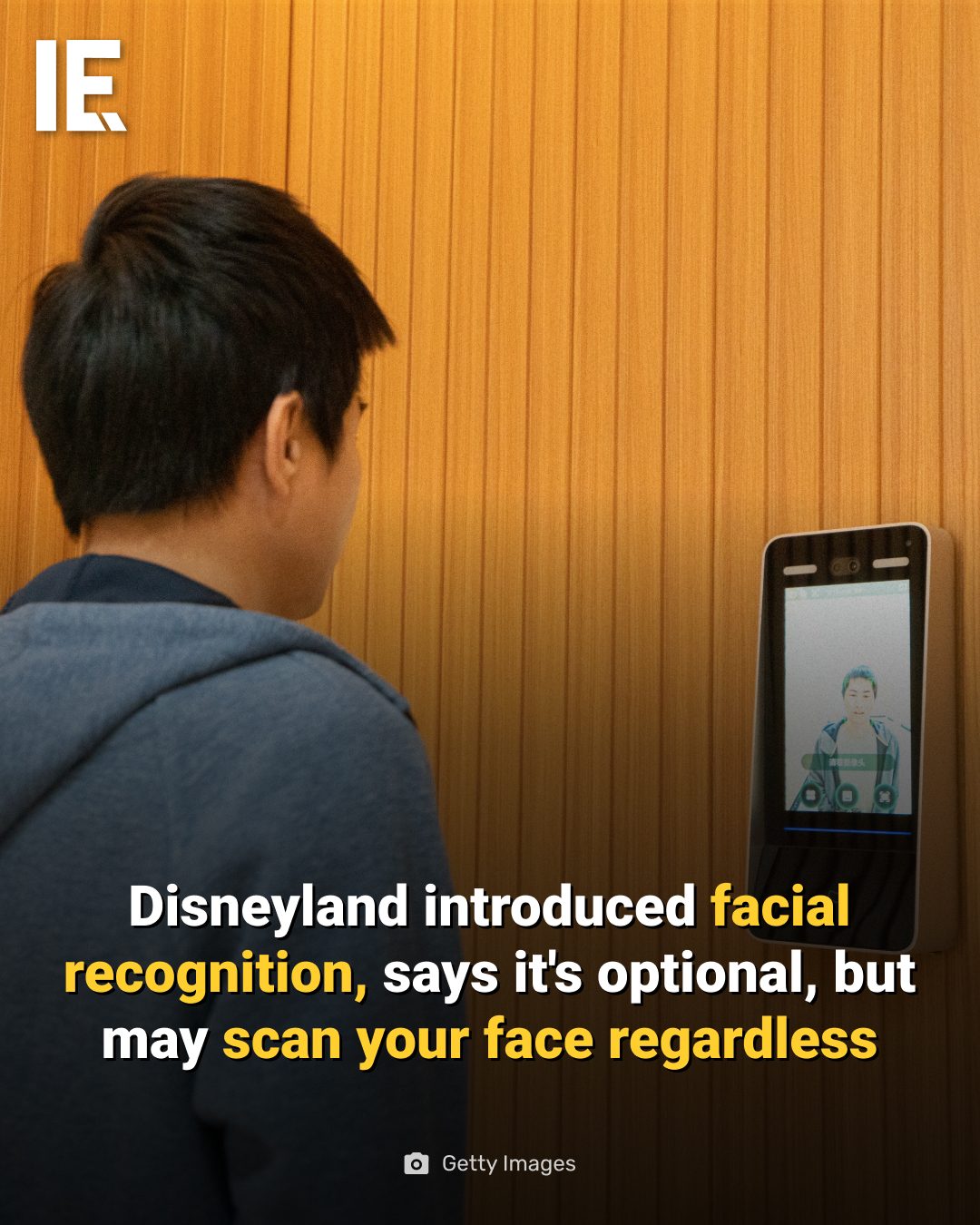
Disney's Facial Recognition: What Visitors Need to Know
The Walt Disney Company has implemented facial recognition technology at Disneyland Park and Disney California Adventure. While the company emphasizes that participation is "entirely optional," there are nuances to understand, particularly regarding privacy and how the technology is used.
Context / Why This Matters
Facial recognition technology is becoming increasingly common in various public spaces, from airports to sports stadiums. Disneyland's adoption of this technology marks a significant shift in how consumer entertainment venues approach security and visitor management. Understanding the implications of this technology is crucial for visitors who want to make informed decisions about their privacy and experience.
Main Discussion
How Facial Recognition Works at Disneyland
Disneyland's facial recognition system operates by converting facial images into numerical values. These values are used to match faces across different images and identify individuals. The company assures that these values will be deleted after 30 days, except in cases where they are needed for legal or fraud-prevention purposes.
The Optional Nature of Participation
The company describes participation in the facial recognition program as "entirely optional." However, the fine print reveals that visitors entering through standard lanes "may still have their image taken." This means that while visitors can opt out of the dedicated facial recognition lanes, they may still be scanned if they choose to enter the park through other means.
Privacy Implications
The use of facial recognition technology raises several privacy concerns. Even if visitors opt out of the facial recognition lanes, the possibility of being scanned in other areas of the park means that their privacy could still be compromised. Disney's assurance that facial data will be deleted after 30 days, with exceptions, adds a layer of complexity to understanding how and when this data is used.
The Broader Context
Facial recognition technology is not new and is already in use at various venues across the United States. From airports to NFL stadiums, this technology is being employed for security and management purposes. Disneyland's implementation, however, is one of the most high-profile expansions into everyday consumer entertainment, highlighting the ongoing debate around the balance between security and privacy.
Practical Tips
If you're planning a visit to Disneyland and have concerns about facial recognition, here are some practical tips to consider:
- Review the Fine Print: Understand the specific language used by Disney regarding participation in the facial recognition system. While it is described as optional, be aware of the caveats.
- Opt for Alternative Entrances: If you are particularly concerned about facial scanning, consider entering through alternative lanes that may not use the technology as extensively.
- Ask Questions: Don't hesitate to ask park staff about their use of facial recognition. They can provide more details on how the technology is implemented and what measures are in place to protect visitor privacy.
- Stay Informed: Keep up with updates from Disney regarding their facial recognition policies. Changes in technology and usage can occur, so staying informed will help you make better decisions about your visit.
Important Takeaways
- Voluntary Participation Has Limits: While Disney describes the facial recognition program as optional, visitors should understand that their images may still be captured regardless of their participation choice.
- Data Retention Policies: Visitors should be aware of how long their facial data is retained and the conditions under which it might be retained longer than 30 days.
- Broad Use of Technology: Facial recognition is becoming more common in public spaces, and Disneyland's implementation is part of a broader trend in consumer entertainment.
Conclusion
Disneyland's use of facial recognition technology adds a new layer to how visitors interact with the park. While the technology is presented as optional, the nuances of how it operates suggest that visitors should be mindful of their privacy choices. Understanding the specifics of Disney's facial recognition system and taking proactive steps to protect your privacy can help ensure a more informed and secure visit.
Watch the Reel
Questions readers ask
How does Disneyland use facial recognition technology?
Disneyland employs facial recognition technology to manage visitor flow, enhance security measures, and personalize guest experiences. The technology is integrated into various park operations, including dedicated FastPass lanes and security checkpoints.
Can visitors opt out of Disneyland's facial recognition technology?
Yes, Disneyland offers an opt-out option for visitors who do not wish to use the FastPass lanes with facial recognition. However, images may still be captured in publicly visible areas or during other security checks.
What happens if I opt out of Disneyland's facial recognition technology?
If you opt out, you will not be eligible for the dedicated FastPass lanes that use facial recognition. Instead, you will use the traditional standby lines. However, your image may still be captured in public areas for security purposes.
How does Disneyland ensure privacy with facial recognition technology?
Disneyland states that they use facial recognition data for specific purposes only, such as improving park operations and enhancing security. While they claim data is not stored long-term, visitors should be aware that images can still be captured in public areas.
What should I do if I have concerns about Disneyland's facial recognition technology?
If you have concerns, you can contact Disneyland's Guest Services for more information or to express your concerns. You can also choose to avoid areas with known facial recognition use, but be aware that images may still be captured in public areas.
Does Disneyland provide clear signs about facial recognition areas?
Disneyland has signs in areas where facial recognition is used, but it is not always clear in every situation. They are required to inform visitors of their tech’s presence. Be proactive and ask a Cast Member if you have questions about a specific area.
Is Disneyland the only theme park using facial recognition technology?
No, Disneyland is not the only theme park using facial recognition technology. Many entertainment venues and public spaces are adopting this technology to enhance security and visitor management. Be aware that Disneyland may not be the only park with this technology.
Related deep dives
Similar reads based on topic and creator.


Recent articles
Fresh deep dives from the latest Reels we unpacked.




Comments
Be the first to comment.